



For most people, the idea of selling pearls raises more questions than answers. Where should you begin? Which buyers actually pay fairly? And how do you gauge what your strand is really worth in the first place? These are the doubts that surface the moment you start thinking about how to sell pearls, whether the piece is an heirloom passed down to you or something you simply no longer wear. Pearls behave differently from gold or diamonds, where pricing follows fairly predictable formulas. The encouraging part, though, is that a careful, well-planned approach lets you earn top dollar and connect with the right buyer.
Maybe you inherited a vintage Mikimoto necklace from your grandmother, or maybe you picked up pearls years ago and no longer care for them. Either way, approaching the sale correctly can dramatically change your outcome. This guide walks you through the entire journey of how to sell pearls—from establishing their worth to sealing the deal—so you can secure the strongest price while sidestepping the errors that cost sellers real money.
Strategy 1: Understanding Your Pearls' True Value
Long before you post anything for sale, take time to understand exactly what's in your hands. Pearls don't all fetch the same price, and recognizing that is fundamental to how to sell pearls. Buyers draw a firm line between natural and cultured pearls, and even within a single category, the range in quality is enormous.
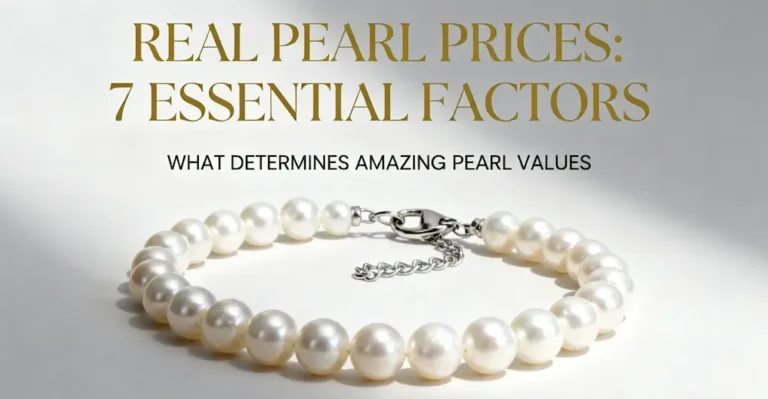
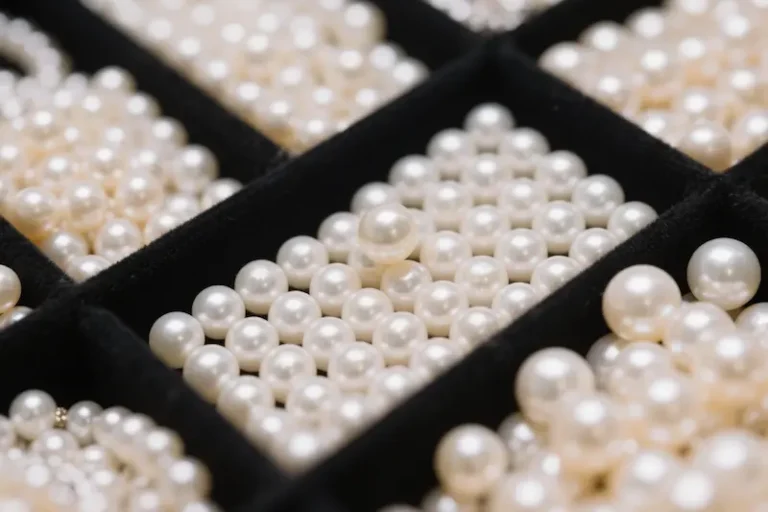
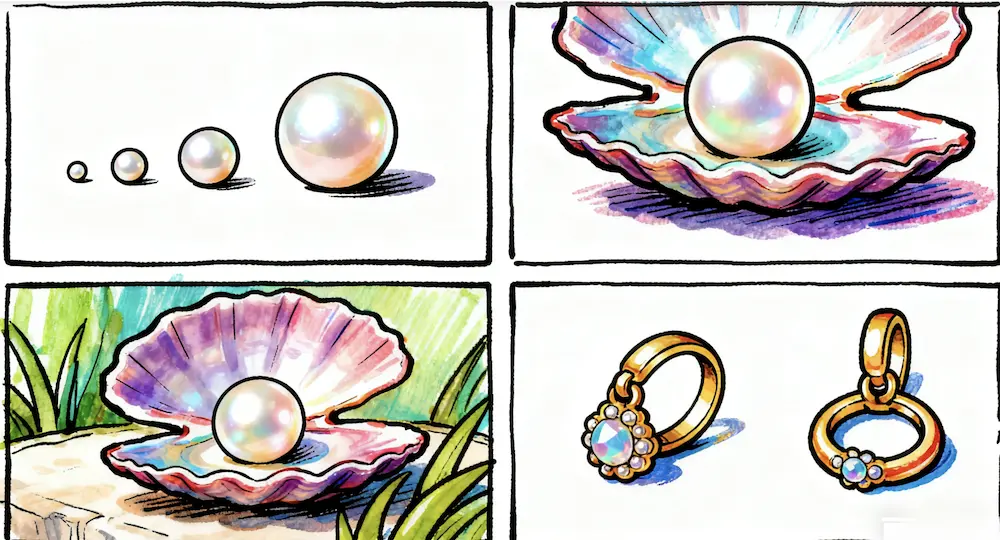
A pearl's worth ultimately comes down to seven factors: size, shape, color, luster (that reflective glow), the smoothness of the surface, the depth of the nacre coating, and how closely the pearls match one another (matching is especially critical for pearl strands). As the Gemological Institute of America notes, the strongest prices go to larger pearls with vivid luster and almost no visible blemishes. Perfectly round pearls typically outsell irregular baroque shapes, though a striking baroque pearl can hold real appeal for collectors.
So where do you begin? Have your pearls appraised by a professional. Keep in mind that an insurance appraisal and a fair-market valuation are two very different things—the first estimates inflated replacement cost, while the second reflects what a buyer will genuinely hand over. A frequent and expensive misstep in how to sell pearls is assuming the insurance figure applies at resale, which almost always leads to letdown.
Pearl Type Matters Significantly
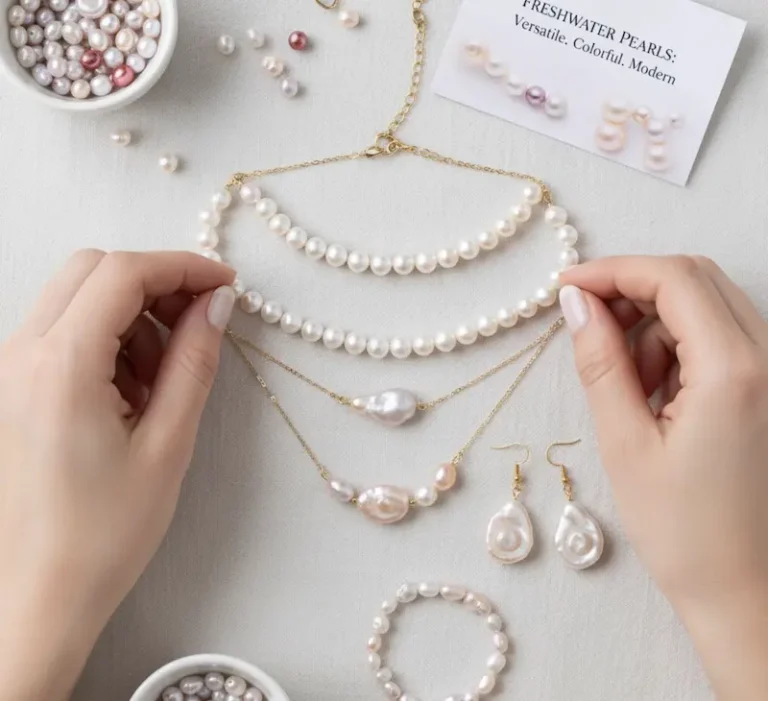
As a rule, freshwater pearls sit at the bottom of the price range, while South Sea and Tahitian pearls sit at the top. Akoya pearls land comfortably in the middle and are prized for their timeless look. If your pearls came from a reputable Pearl Manufacturer, check whether they offer buy-back or trade-in options before you attempt an open-market sale.
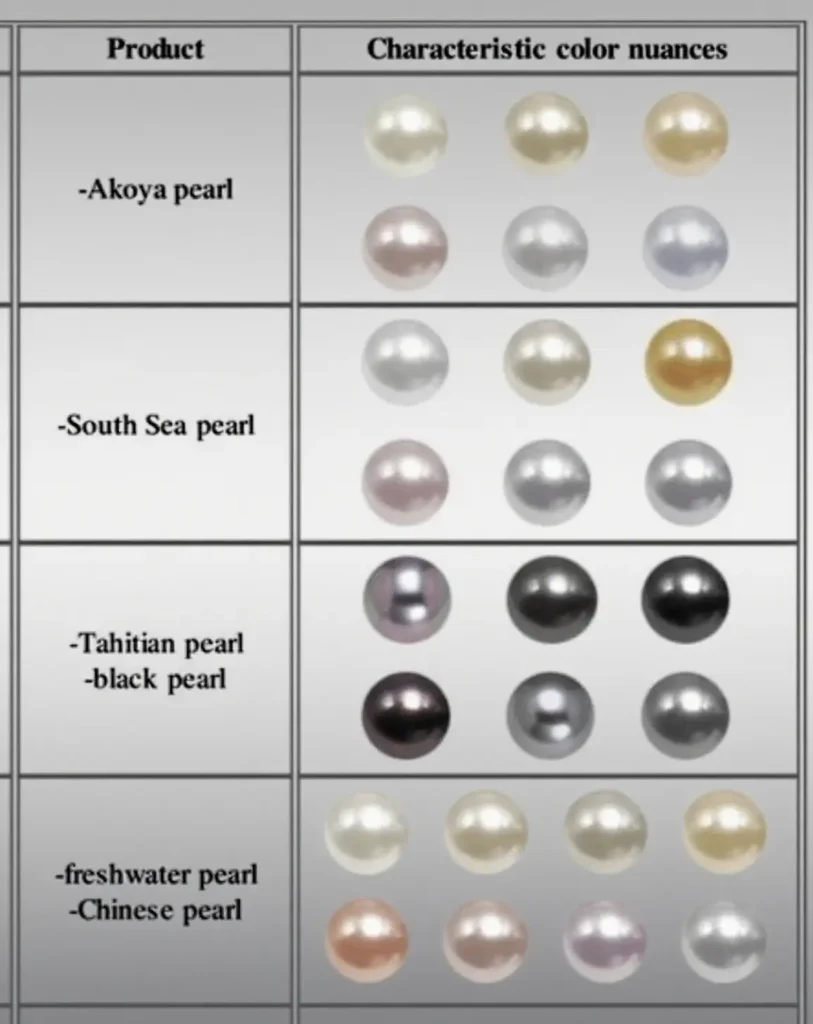
Saltwater pearls tend to retain their value more reliably than freshwater ones, a distinction worth remembering as you learn how to sell pearls. Genuinely natural pearls are extraordinarily rare and can be worth many times more than cultured pieces, but selling them requires authentication by a certified gemologist. Don't presume your older pearls are natural—the vast majority of pieces made over the past hundred years are cultured.
Strategy 2: Where to Sell Pearls – Evaluating Your Options
Online selling has multiplied the routes available when you're weighing how to sell pearls. Yet every channel carries its own trade-offs. While the internet has made reaching buyers far easier than it once was, no single venue is right for every seller or every strand.
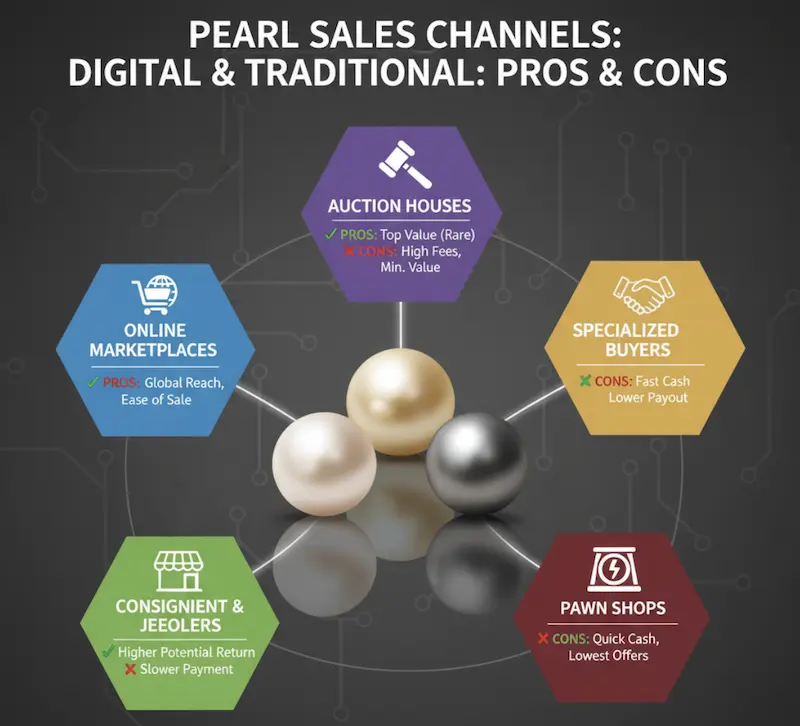
- Online Marketplaces: Platforms such as eBay, Etsy, Poshmark, and Mercari connect you directly with buyers worldwide, making them a central channel in how to sell pearls. You control the pricing and the presentation, but you'll be competing against many other listings. These sites tend to suit everyday fashion pearls better than high-end, investment-grade strands. Photography is where you win or lose here—shoot in natural light from several angles, and slip a ruler or a coin into the frame so buyers can judge the size at a glance.
- Specialized Pearl Buyers: Some firms deal exclusively in pearls, which makes them one route to consider in how to sell pearls. The appeal is a fast, uncomplicated sale with payment on the spot. The catch is that their offers usually fall below retail, since you're trading a higher potential price for speed and convenience. If you need money quickly or your pearls carry modest value, this path makes the most sense.
- Consignment Shops and Jewelers: A nearby jeweler may buy your pearls outright or take them on consignment—both legitimate answers to how to sell pearls. Consignment can net you more in the end, but you'll wait longer for the money. Selling outright pays faster while typically returning less. Whichever you choose, do your homework online, read reviews, and gather quotes from several shops. A jeweler who specializes in pearls will often beat what a general jewelry store can offer.
- Pawn Shops: Treat pawn shops as your last resort in how to sell pearls. Their offers are usually the lowest available because their aim is a fast resale at a markup, with little regard for the actual quality of the pearls. You'll walk out with cash quickly, but rarely with a fair deal.
- Auction Houses: For something truly exceptional—a vintage Mikimoto set, natural pearls, or a piece with genuine historical significance—houses like Sotheby's or Christie's are worth exploring. Bear in mind that they typically enforce a minimum value threshold and take a sizable cut in fees.
| Sales Venue | Speed | Best Suited For | Best For |
|---|---|---|---|
| Online Marketplaces | Moderate | Medium-High | Fashion pearls; sellers who can wait |
| Specialized Buyers | Fast | Low-Medium | Fast sales; mid-grade quality |
| Consignment Shops | Slow | Medium-High | Fine pieces; sellers who can wait |
| Pawn Shops | Very Fast | Very Low | Urgent cash situations only |
| Auction Houses | Very Slow | High | Rare, exceptional pieces |
Strategy 3: Preparing Your Pearls for Sale
As you master how to sell pearls, remember that presentation heavily influences your results. Never subject pearls to harsh chemicals or ultrasonic cleaners; a soft, slightly damp cloth is all you should use. Because pearls are organic gems with delicate surfaces, they scratch far more easily than harder stones.
Round up every relevant document—original receipts, authenticity certificates, appraisals, and anything that speaks to the piece's provenance. Named brands such as Mikimoto command a premium once you can prove they're genuine, and even the original box can nudge the value upward.
If your strand needs restringing, weigh the decision with care. Freshly restrung pearls do look more valuable, yet the expense may not come back to you dollar for dollar. For wholesale pearls or fashion-grade pieces, the cost often isn't justified—though for high-quality strands, it frequently is.
Photograph the pearls well. When it comes to how to sell pearls online, your images can carry the sale or sink it. Work in soft daylight beside a window and skip the flash, which throws harsh hot spots across a pearl's surface. Capture the clasp, any hallmarks, the surface texture, and the piece as a whole, and add close-ups that reveal both luster and any flaws. Being candid about condition is what earns a buyer's confidence.
Strategy 4: Pricing Strategies That Work
Pricing pearls well means grounding yourself in research and realism as you learn how to sell pearls. Look up completed, sold listings on eBay for pieces like yours—not active listings, which tend to reflect sellers' hopes rather than what the market actually delivers.
Treat what you originally paid as a reference point, but don't count on recovering all of it. The resale market rewards buyers with steep discounts against the price of new pearls. Most pre-owned strands change hands for roughly 30% to 60% of their original cost, though truly exceptional pieces defend their value better.
Account for where fashion currently sits. Pearls move in and out of style in cycles, and demand climbs whenever celebrities are seen wearing them prominently. Right now pearls are enjoying a fresh wave of interest, which tips the scales in the seller's direction—yet some looks, such as long opera-length strands, lag behind classic 16-18 inch necklaces in popularity.
Leave yourself room to negotiate. Nearly every buyer expects to open below your asking figure, so set your price a notch above the least you'd accept. Just don't reach so high that you drive away the serious prospects.
Strategy 5: Building Trust and Credibility
If you're selling online, reputation carries real weight. Sellers just starting out do well to move a few lower-priced items first, building up positive feedback. Answer questions promptly and be candid about any imperfections in what you're offering.
Describe your pearls with precision. Reach for the correct terms—"freshwater," "Akoya," "South Sea," or "Tahitian"—and spell out the size in millimeters, the luster, the surface smoothness, the strand length, and the clasp type. When something is uncertain, admitting you're not sure always beats making a guess that could unravel later.
Provide secure payment options and insured shipping. On higher-value pieces, requiring a signature on delivery safeguards both sides. Photograph the pearls' condition before they leave your hands—that record shields you from bogus claims of damage.
Strategy 6: Timing Your Sale Strategically
In figuring out how to sell pearls, timing can make all the difference. The holiday stretch—November and December especially—tends to work in your favor, as jewelry buying peaks then. Mother's Day and the June wedding season likewise draw more shoppers looking for exactly this kind of piece.
Remember, though, that rising demand brings rising competition. Now and then you'll come out ahead by listing pearls during the quieter months, when far fewer sellers are active. Watch how your particular marketplace behaves to pin down the right moment to post.
The broader economy matters too. When money is tight, shoppers pull back from discretionary buys like pearls, whereas a healthier climate—when people have more to spend—makes jewelry purchases far more likely.
Strategy 7: Working with Professional Buyers
Once you sit down with professional buyers, being informed is your single greatest advantage in how to sell pearls. Collect several offers, because valuations can swing widely from one buyer to the next.
Press buyers to explain how they evaluate. Trustworthy ones will walk you through the way they assess pearls and arrive at a figure. Evasive, hand-waving answers are a signal that you may not be dealt with fairly.
Exercise real caution whenever you ship pearls to a buyer. Confirm their return policy and the insurance they provide up front. A solid company supplies an insured shipping label and lays out plainly what happens if you decline their offer and want the pearls sent back.
For a sizable collection or a handful of especially valuable pieces, it pays to consult a gem expert who has no interest in buying from you when you're deciding how to sell pearls. Paying for that independent opinion may feel like an added expense, yet it can stop you from parting with your pearls for far below their real worth.
Common Mistakes to Avoid
Plenty of sellers stumble simply because they never learned the right approach to how to sell pearls. These are the missteps that come up again and again:
- Overestimating value: Your attachment to a strand doesn't obligate anyone else to pay a premium for it. Stay honest with yourself about the price.
- Poor presentation: Grimy pearls, out-of-focus photos, and thin descriptions all make a piece look cheap and send buyers elsewhere.
- Ignoring authenticity: Claim your pearls are prestige names like Mikimoto or South Sea and you'll be expected to back it up. Without proof, buyers grow skeptical and offer less.
- Rushing the process: Resist grabbing the first offer, especially a low one, unless you genuinely need cash immediately. Patience tends to reward you.
- Neglecting research: Go in knowing your pearl type, their quality, and their approximate value—otherwise you're negotiating with your eyes closed.
Alternative Options Worth Considering
Now and then the smartest move in how to sell pearls turns out to be not selling at all. A few alternatives are worth weighing:
- Repurposing: A skilled jeweler can rework dated pearl jewelry into something modern. If your pearls carry sentimental meaning but no longer match your taste, a redesign may be exactly right.
- Gifting: Fine pearls make heartfelt gifts for a daughter, granddaughter, or another relative, where the emotional worth can far outweigh the market price.
- Trading: Buying wholesale pearls from a jeweler or pearl dealer sometimes opens the door to trading in your old pearls. That can be a smoother path to new jewelry than selling the pearls yourself.
- Keeping as investment: Pearls don't fluctuate the way stocks do, but truly fine natural pearls and rare antique pieces can hold their value or even appreciate as the years pass.
Final Thoughts on Selling Success
Selling pearls well calls for a little knowledge, a measure of patience, and a grounded set of expectations as you work through how to sell pearls. The process isn't always quick or effortless, but once you understand what your pearls are worth, choose the right venues, present your pieces attractively, and price them fairly, your odds of a successful sale rise sharply.
Bear in mind that selling pearls is a different animal from selling other gemstones. Prices stay fluid, judging quality accurately takes a trained eye, and emotion plays an outsized role in whether a sale happens. The right buyer will value what sets *your* pearls apart—perhaps their vintage character, their remarkable glow, or an unusual hue.
Whether you finish the sale online, through a pearl specialist, or at a neighborhood jewelry shop, walk in prepared and clear about what you're doing. Your pearls hold real value—sell them the right way and make sure you collect it.
FAQs
How much can I sell my pearls for?
It hinges on type (natural versus cultured, saltwater versus freshwater), quality (luster, surface, shape, size), and current market conditions. As a group, saltwater pearls—Akoya, Tahitian, and South Sea—command higher prices than freshwater pearls.
What is the best way to sell pearls?
The right choice follows your pearls' value and your objective. For high-value pearls, turn to a respected auction house or a specialist pearl dealer, whether by consignment or outright sale. For average-value or fashion pearls, list on online marketplaces such as eBay or Etsy, or sell to a local jewelry store.
How can I tell if my pearls are worth money?
For a fast read on a pearl's worth, concentrate on the 4 Cs: Luster (how bright the reflection is—the sharper, the better), Surface quality (fewer blemishes push the value up), Size and Shape (bigger, rounder pearls are the most sought after), and Nacre Thickness, which underpins durability and needs a professional's inspection for an accurate figure.
How do I get my pearls valued?
Engage an independent gemologist or a certified appraiser who specializes in pearls to produce an official valuation. They can confirm the type—natural or cultured—and give you a realistic market estimate, along with documentation you can put to use when selling.
Looking to source quality pearls for yourself or your business? It's worth connecting with a pearl supplier you can rely on. A trusted source can point you to genuine, wholesale pearls that will hold their value in the long run.