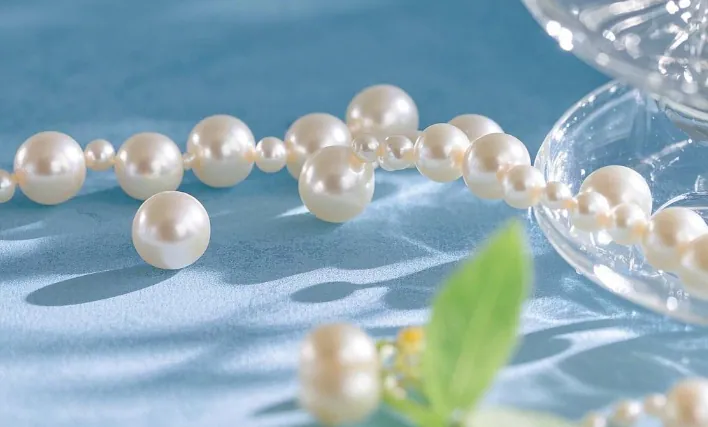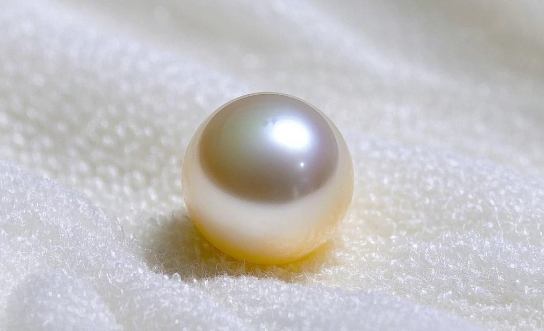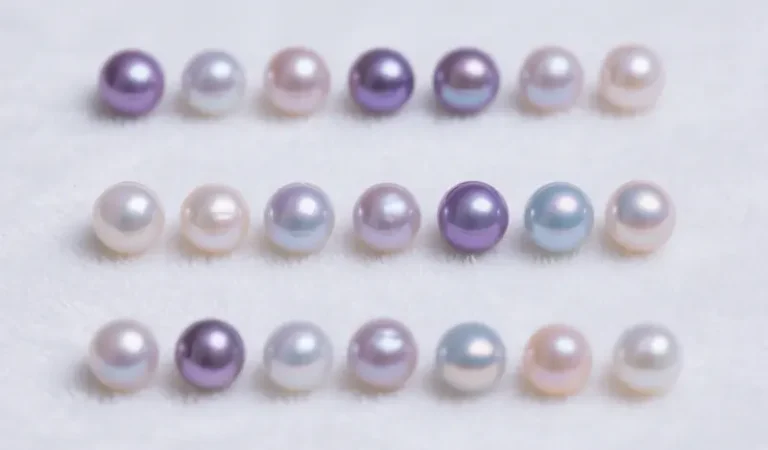





Wholesale pearls in 2026 remains one of the surest ways to strengthen a jewelry business and widen your margins. Ordering in volume unlocks pricing well discounts of up to 50 percent below retail, and because the cost falls on every single unit, whatever you sell downstream returns more profit to you.
Demand for cultured pearls continues to climb across global markets. The Asia-Pacific region is driving this growth as disposable incomes rise in key regions. Premium categories, particularly South Sea and Akoya strands, draw the strongest interest from affluent shoppers.
Reaching buyers has never been simpler: pearl strands, pearl bracelets, and wholesale pearl necklaces are now listed on countless e-commerce platforms, letting you put your inventory in front of a far larger audience than traditional channels ever allowed.
Committing to wholesale pearls gives your business the footing to ride these shifts and hold your ground in a market that keeps expanding.
Key Takeaways
- Buying pearls in bulk costs far less than sourcing pieces one at a time. Bulk pricing can trim your outlay by as much as 50%, feeding directly into stronger margins.
- Pearls arrive in a broad spectrum of types and shades. Curating the right mix lets you match what shoppers actually want, which lifts sales and rounds out your product line.
- A durable, dependable partnership with your pearl source pays off over time. Trusted suppliers tend to reward loyalty with keener pricing and quicker turnaround.
- Learn about pearl qualities covering the pearl variety, its shape and size, the range of colors, plus luster and how clean the surface is. Grasping these details makes it far easier to pair the right pearl with the right customer.
- Watch market movements as they happen and keep a tight grip on stock levels. That way the pearls your customers ask for are on hand exactly when they want to buy.
Why Wholesale Pearl Buying Pays Off
Cost Savings and Competitive Pricing
Purchasing pearls by the lot is simply good economics for any operation. The per-piece price sits well under retail, and wholesale terms bring your total spend down sharply.
Consider how the math plays out:
- A subscription-style plan such as Hey Foster's can bring spending down to roughly $1,267 per hire under a 30-hire arrangement.
- Pearl's managed option runs about $36,000 a year, whereas choosing their direct route drops that to $17,500 annually.
Numbers like these show just how much the wholesale approach can shave off your costs, and sourcing through Wholesale Pearls means you can pass sharper prices on to your own buyers and stand out from rivals. When each unit costs less, your margins widen, and that keeps the business both profitable and built to last.
Access to Diverse Pearl Varieties
One of the clearest advantages of buying in bulk is the sheer breadth of pearl types and colors it opens up. Whether it is Akoya, Tahitian, or freshwater pearls, ordering in volume puts a deep and varied selection at your fingertips.
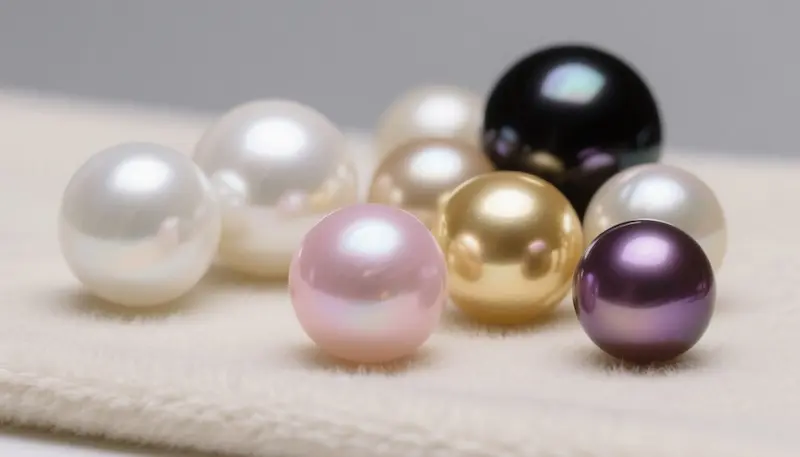
Here is a closer look:
| Pearl Color | Description | Common Pearl Types | Overtones |
|---|---|---|---|
| White | Timeless and refined, long tied to notions of purity. | Akoya, South Sea, Freshwater | Rose, silver, cream |
| Golden | Rich, deep golden pearls. | South Sea, Freshwater | Champagne, bronze, deep gold |
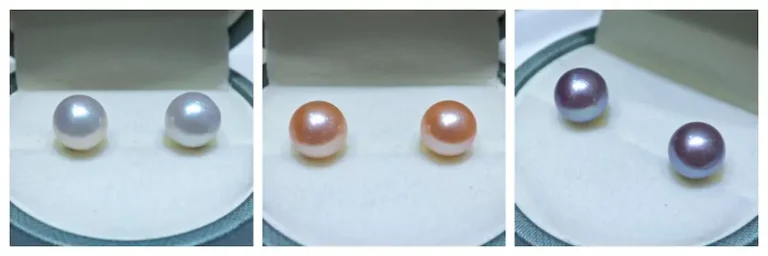
| Black | Darkly hued by nature, exotic and striking. | Tahitian, Freshwater (treated) | Green, peacock, aubergine, silver |
| Lavender | A rare and lovely soft-purple tone. | Freshwater | Silver, pink, violet |
That range lets you serve a wider audience, from shoppers after understated classics to those hunting for bold, one-of-a-kind pieces. Stocking many kinds of pearls establishes your business as the single destination for every pearl requirement.
Strengthening Supplier Relationships
A solid rapport with your wholesale pearls supplier is what underpins lasting success. When you commit to volume orders, a supplier is more inclined to move your order to the front of the queue and extend discounts reserved for regulars. That mutual confidence often translates into shorter lead times and steadier pearl quality.
On top of that, staying close to your suppliers keeps you plugged into fresh market signals and the newest product details. A dependable partner helps you weather difficulties and act on openings within a fiercely competitive trade.
Getting to Grips with Pearl Quality and Types
Freshwater, Akoya, Tahitian, and South Sea Pearls
Buying pearls in volume calls for a firm grasp of how the various types differ. Every variety carries its own traits and appeal, and those distinctions let you answer a range of customer tastes and market needs.
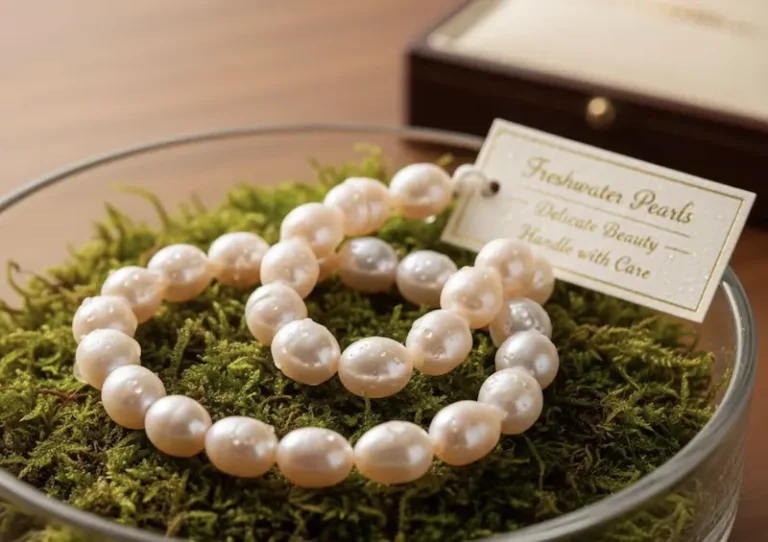
- Freshwater Pearls: Grown in lakes and rivers, these pearls come at modest prices and span a wide array of shapes, sizes, and colors, making them a genuinely economical choice.
- Akoya Pearls: Prized for their tight round form and bright luster, their traditional white-to-cream tones make them a go-to for classic, refined designs.
- Tahitian Pearls: Celebrated for shades running from gray to black, along with distinctive tones such as peacock and eggplant.
- South Sea Pearls: The biggest and most opulent of the group, their white-to-golden coloring signals real luxury and keeps them in strong demand at the top of the market.
| Pearl Type | Characteristics |
|---|---|
| Freshwater Pearls | Affordable, diverse shapes and colors |
| Akoya Pearls | Small, round pearls with white to cream color |
| Tahitian Pearls | Large, round to oval pearls with gray to black color and overtones |
| South Sea Pearls | Large, round pearls with white to golden color |
Once you understand these contrasts, you can choose the wholesale pearl types you carry with real intent, confident that what you stock is what your customers are looking for.
Key Quality Metrics: Luster, Surface, Shape, Size, and Color
Several factors weigh heavily on a pearl's worth and desirability, and they matter most when you are buying at scale. Keep an eye on each of them and you will consistently land pearls that justify their price.
- Luster: This is how bright and reflective the surface appears, and it drives a pearl's overall brilliance. Top-quality pearls throw back an almost mirror-like glow, while weaker ones read as flat and dull.
- Surface Clarity: A cleaner surface with fewer marks means a more valuable pearl.
- Shape: Perfectly round pearls command the highest prices, though baroque and oval forms leave more room for inventive design work.
- Size: Bigger pearls generally fetch more, being both scarcer and more eye-catching.
- Color: A pearl's body tone and overtones, from pink to silver, shape both its charm and its market price.
| Quality Indicator | Description |
|---|---|
| Luster | The shine and reflective quality of the pearl's surface. |
| Surface Clarity | The absence of blemishes or imperfections on the pearl's surface. |
| Nacre Thickness | The thickness of the nacre layer, which affects durability and appearance. |
| Color | The hue of the pearl, which can vary widely among different types. |
| Size | The dimensions of the pearl, which can influence its value. |
| Matching Quality | The uniformity of appearance among multiple pearls intended to be used together. |
Weighing these measures helps you pick pearls that live up to customer expectations and lends your pearl business greater stability.
Pearl Grading Systems Explained
Grading systems give the trade a common language for judging pearl quality, and they steer you toward sound choices when buying wholesale. Grading weighs elements such as luster, surface condition, size, and shape. Pearls that combine strong luster with few blemishes, for instance, earn the highest marks. Akoya and South Sea pearls tend to sit near the top of these scales thanks to their superior luster and cleaner surfaces.
| Finding | Novices | Experts |
|---|---|---|
| Grading Concordance | Less than experts | More consistent |
| Grading Method Complexity | Simpler usage of factors | Elaborated evaluation method |
| Significant Trials (using interference color and glossiness) | 60% | 20% |
Newcomers to pearl buying usually rely on straightforward grading scales. Seasoned buyers dig deeper, inspecting each pearl closely to hold quality at a steady level.
Finding Reliable Wholesale Pearl Suppliers
Everything in a thriving wholesale pearl business hinges on locating the right pearl manufacturer. A dependable source guarantees steady quality, deliveries that arrive on schedule, and fair pricing. What follows is how to track down trustworthy suppliers and build lasting ties with them.
Online and Offline Supplier Research
Cast a wide net from the start, looking at both digital and in-person avenues. Platforms such as Alibaba, Etsy Wholesale, and pearl-only marketplaces surface a broad pool of suppliers, and most carry reviews and ratings that make it easier to separate the reliable from the rest.
Face-to-face contact is still one of the best ways to size up a supplier, and trade shows, jewelry expos, and industry gatherings make that possible. Fairs such as the Hong Kong International Jewelry Show let you inspect pearls up close and connect with people across the trade. Whenever the opportunity arises, touring a supplier's premises rounds out the picture, showing you exactly how they operate and how consistently they hold their quality.
Tip: Pair your online digging with in-person legwork so you see each supplier from every angle. Covering both fronts greatly improves your odds of landing a partner who genuinely fits your business.
Verifying Credentials and Certifications
Never close a deal until you have confirmed who you are dealing with. Ask for the certifications that prove a supplier actually follows recognized industry standards.
Insist on documentation that the pearls are genuine. Request certificates of origin, laboratory certifications, and grading reports, since these records spell out exactly how good the goods are.
Look at their business registration and operating licenses too. A legitimate supplier will hand these over without hesitation. Cross-reference the details against public databases or trade directories to confirm everything checks out.
Note: Running these checks takes effort, yet skipping them is how buyers get burned. It is the single most reliable way to keep scammers out and keep reputable partners in.
Building Trust Through Sample Orders
After you have narrowed the field, request sample orders before committing to anything larger. Samples reveal whether a supplier can actually back up their claims. Examine the core markers of quality here, luster, surface clarity, and nacre thickness, then hold the pieces up against the descriptions and photos you were sent to confirm the two agree. Sampling also exposes how a supplier behaves in practice. Did they answer your questions quickly? Did the parcel arrive when promised? Those signals lay the groundwork for a lasting relationship. Keep the first order small to limit your exposure, and scale up gradually once a supplier earns your confidence, because trust is built over time, not overnight.
Callout: A supplier worth working with stays open about both their products and their methods. Reluctance to send samples or answer straightforward questions is a warning sign you should not ignore.
Negotiating Wholesale Pearls Prices
Wholesale Pricing Structures
Securing the strongest deals starts with grasping how wholesale pricing actually functions. Most pearl suppliers scale their rates to order volume, so the larger your purchase, the lower the per-piece cost. Buying in bulk trims your unit price and simultaneously turns you into a larger, more valued account in the eyes of your supplier.
Timing counts just as much as volume. Prices tend to soften during heavy production periods simply because supply is abundant. Line your buying up with those high-output windows and you can shave a meaningful amount off your total spend.
| Strategy | Result |
|---|---|
| Bulk Purchasing | 15%-25% average cost reduction |
| Supplier Evaluation | Ensures quality and stability of supply |
| Market Timing | Lower prices during peak production months |
Applied together, these tactics stretch your savings as far as possible while keeping a dependable stock of top-grade pearls on hand.
Effective Negotiation Strategies
The best prices come from negotiating, and negotiating well starts with preparation. Study current market conditions and find out what your competitors are paying before you sit down at the table, because that knowledge shifts the balance in your favor. Signal that you are after a long-term partnership and intend to order in volume, and a supplier becomes far more inclined to sweeten the terms.
Speak plainly and hold your ground during the conversation. Ask for volume discounts, waived shipping, or extended payment terms outright. Suppliers tend to respect a buyer who is direct, and that candor often makes them more flexible than they first appear.
Tip: Come to the table with confidence. Pearl suppliers anticipate haggling and typically build a cushion into their opening quotes.
Cultivating a genuine rapport with your suppliers pays off as well. Once a relationship rests on real trust, they are far readier to extend preferential pricing or bump your orders to the front of the queue.
Accounting for Additional Costs
As you tally the cost of wholesale pearls, keep the hidden expenses in view. Fold shipping, duties, and insurance into your budget from the start so nothing catches you off guard later.
Do not overlook packaging, either. Well-made packaging lifts the perceived value of your pearls, though quality materials naturally carry a higher price. Discuss the range of options with your supplier and settle on packaging that is easy on the budget yet still does its job properly.
Factoring in these extra outlays keeps your pricing honest and protects a sensible margin.
Managing Logistics and Supply Chain
Smooth logistics and supply-chain management sit at the heart of keeping your wholesale pearls business running well. Choosing the right shipping methods, staying on top of customs rules, and watching your inventory closely all work together to trim delays and lift your overall returns.
Shipping Methods for Pearls
The shipping method you choose determines how safely and how quickly your pearls arrive. Air freight is fast but pricier, while sea freight brings the cost down on large consignments. Compare the available routes, weighing expense against transit time, to strike the balance that suits each order.
| Shipping Route | Cost (USD/CBM) | Transit Time (days) |
|---|---|---|
| Ningbo to Philadelphia | 89 | 35 |
| Shanghai to Los Angeles | 38 (≤1CBM) | 14 |
| Shanghai to Miami | 99 | 32 |
| Shanghai to Chicago | 92 (≤3CBM) | 23-25 |
When the parcel is small, reach for an express courier like FedEx or DHL. You get tracking, quicker delivery, and better protection in transit, so the pearls tend to show up in flawless shape.
Tip: Insure every shipment so a loss or damage in transit never lands squarely on you.
Navigating Customs and Import Regulations
Getting a firm handle on customs rules is what keeps delays and fines off your books. The vast majority of cultured pearls fall outside CITES (Convention on International Trade in Endangered Species) controls. That said, goods derived from protected species, certain mother-of-pearl items among them, can still call for import authorization.
- Request grading reports from respected laboratories such as SSEF or GIA to confirm the quality of your pearls.
- Observe environmental rules, including Regulation (EU) 2019/2117, so your sourcing stays ethical.
- Keep your paperwork in order, certificates of origin and invoices included, to move goods through customs without friction.
Note: Bringing a customs broker on board takes much of the complexity out of importing and helps you stay on the right side of local law.
Inventory and Delivery Management
Sound inventory management is what gets orders to customers on schedule and keeps your shelves from going bare. Lean on sharp demand planning to pin down what buyers will actually want, and adopt cloud-based inventory systems that give you a live view of your stock, so your decisions improve and your operation stays transparent.
| Technique | Performance Impact |
|---|---|
| Reliable Supplier Relationships | Reduces lead times and improves supply chain efficiency. |
| Smart Demand Planning | Minimizes stockouts through accurate analytics and reporting. |
| Cloud-based Inventory Management | Enhances transparency and allows access to data from any location. |
Solid ties with your suppliers do their part to keep inventory steady as well. Suppliers who trust you will move your orders up the priority list, which translates into faster turnaround and quality you can count on.
Callout: Putting money into inventory technology saves hours, cuts down on errors, and hands you a genuine edge over rivals.
Leveraging Technology and Trends in 2026
Data Analytics for Market Insights
Analytics is reshaping the wholesale pearls business from the ground up. Point the right tools at your numbers and you can uncover what customers are after, catch the seasonal rhythms of demand, and dial in the pricing that works. Platforms like Google Analytics or jewelry-specific software let you follow sales and see which pearl types are pulling ahead. Read that history forward to anticipate where the market is heading; if Akoya pearls reliably move during the holidays, for instance, you can lock in bulk orders early to cover the rush and squeeze the most from your peak season! The pearl market is changing fast. Cultured pearls keep gaining ground because they are cheaper and easier to obtain, and younger shoppers increasingly insist on pearls that are sourced ethically and sustainably. Pearls are also turning up more often in cosmetics and medicine, another shift reshaping the trade. Track these currents and you can adjust both your stock and your marketing to stay a step ahead of the pack.
Tip: Lean on visualization tools such as Tableau or Power BI to lay out market insights cleanly. Clear visuals sharpen your own decisions and make it far easier to get your team on the same page.
Sustainable and Ethical Sourcing Practices
Sustainability has stopped being a nice-to-have; a wholesale pearls business now depends on it to prosper. Younger buyers in particular weigh ethical sourcing heavily and let it steer their purchases. Aligning yourself with eco-conscious suppliers strengthens your brand and helps you build a loyal following.
Fresh thinking is reshaping how pearls are farmed. Growers increasingly pair aquaculture with solar power and blend farming and cultivation into a single integrated system. The approach eases the strain on the environment while still yielding high-quality pearls.
Getting behind these methods is good for the planet and stamps your business as a genuinely green operation. Firms that commit to sustainable practice tend to win the industry's respect. Pearl farms that embrace such innovation look the most promising of the bunch, proving that nature can be protected without sacrificing quality, and more farms ought to follow suit. Zhihang Jewelry's farms already run as "solar-fishing" operations built on integrated aquaculture.
Callout: Put your commitment to ethical sourcing front and center in your marketing. Shoppers gravitate toward brands whose values mirror their own.
Choosing sustainable practices lets you help build a better future while shoring up your business at the same time. Ethical sourcing serves the planet and your profit line in equal measure.
Addressing Challenges in Wholesale Pearls Buying
Ensuring Quality Control
Quality control is one of the toughest obstacles in bulk pearl buying. Every pearl has to clear your bar, which is precisely why landing a dependable supplier matters so much.
Always study samples before a large order goes out. Zero in on the essentials, luster, surface quality, and nacre thickness, and put a loupe or pearl calipers to work so you can judge those markers properly. If it is feasible, walk the supplier's facility and watch their quality-control process unfold in person.
Tip: Draw up a checklist of your quality standards to keep inspections moving. It holds your judgments consistent and spares you time.
Mitigating Supply Chain Risks
A disrupted supply chain can throw everything into disarray, stalling orders, driving up costs, and even costing you business you cannot recover. Spreading your buying across several suppliers keeps you from staking everything on a single source.
Line up backup suppliers in different regions of the world so your stock never runs dry. Put technology to work tracking shipments in real time; nearly every courier and logistics firm now offers tools that let you follow a parcel every step of the way.
FAQ
Q: What is the minimum order quantity (MOQ) for wholesale pearls? A: It differs from one supplier to the next and hinges on the type. Freshwater pearls, being cheaper, often carry higher MOQs, whereas the pricier Tahitian pearls may come with lower ones.
Q: Are wholesale pearls cheaper during specific times of the year? A: Yes. Prices frequently dip in the heaviest production months, when supply runs high. Steering your large purchases toward those windows, rather than the busiest buying season, can add up to real savings over time.
Q: What should I do if my shipment gets delayed? A: Pull up the courier's website or app to see exactly where your package is and when it should land; it feeds you live updates as the goods travel. Reach out to your supplier immediately to sort out any snag. Sticking with trustworthy suppliers and insured shipping methods lowers your risk and keeps deliveries on schedule.
Callout: Nurture strong supplier relationships so your orders get top priority whenever disruptions strike.