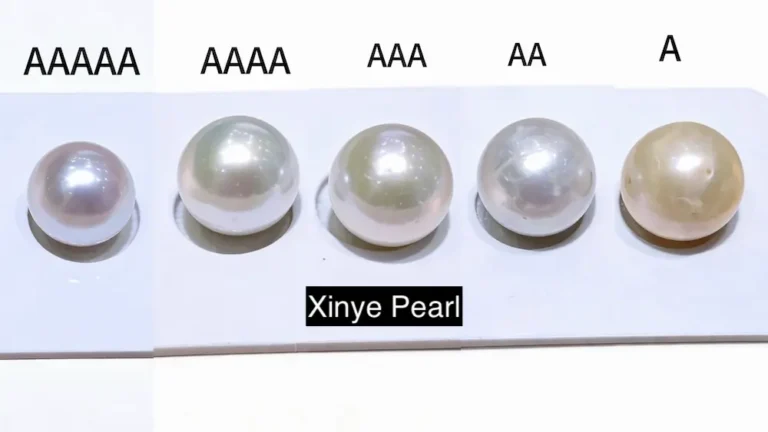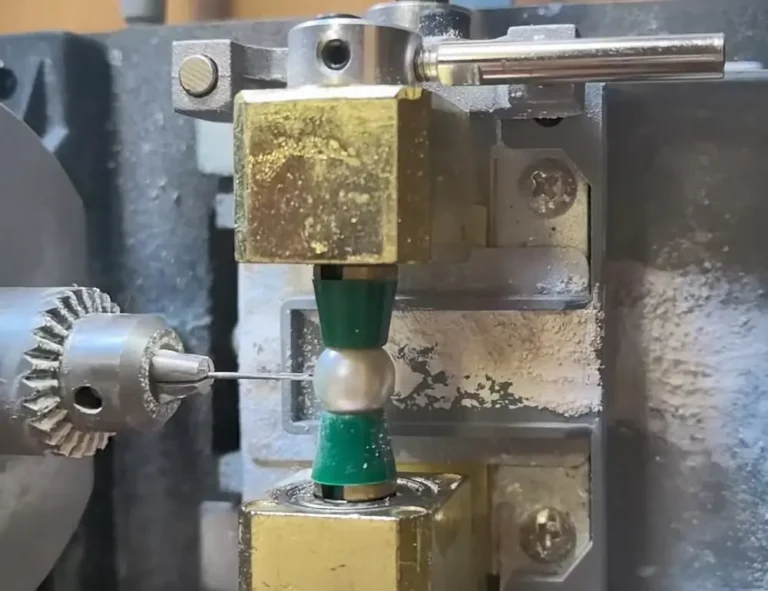





Do you make your living in the freshwater pearl trade, and are you now scaling up into bulk wholesale? If that describes you, the cost-control ideas laid out below should help you stay profitable even when the competition turns cutthroat.
Market figures point to steady expansion in global pearl demand over recent years, with projections putting the sector near US$1 billion by 2030. Freshwater pearls claim a sizable slice of that total, thanks to their high volume and comparatively accessible pricing. For anyone running a bulk freshwater pearl wholesale operation, disciplined cost management is what separates a thriving business from a struggling one.
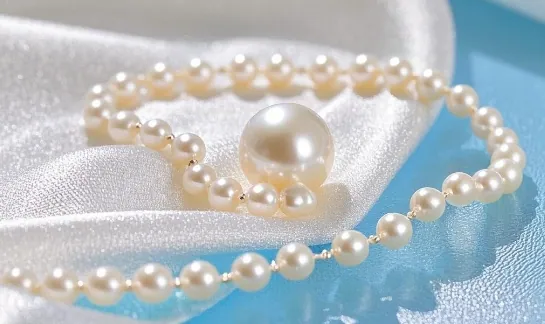
Below, we break the problem down into four practical strategies for trimming costs.
Bulk freshwater pearl wholesale strategy 1: cost control in procurement
Procurement is where cost control begins, and it rests on three pillars: choosing the right suppliers, buying in volume while negotiating well, and timing your purchases. Get these three right and you are already halfway to controlling your costs.
Start with supplier selection. The goal is straightforward: partner with pearl suppliers known for reliability, consistent stock, and genuinely high-grade product.
Industry estimates attribute roughly 80% of the world's freshwater pearl output to China, and within China more than 70% comes from Shanxiahu Town in Zhuji, Zhejiang, widely nicknamed the country's pearl capital. Sourcing from established growing regions like Shanxiahu in Zhuji and Jintan in Jiangsu, and dealing directly with growers and origin suppliers, lets you cut out the middlemen and lower what you pay.
It also pays to benchmark suppliers against one another. Reward the strong performers with continued business and deeper cooperation; where a supplier consistently falls short, push for improvement or move on, so your sourcing pipeline stays dependable and consistent in quality.
Among the many pearl suppliers out there, Zhihang Jewelry stands out. Our supply stays steady, our wholesale pricing is competitive, and our quality is excellent, making us one of the best freshwater pearl suppliers. Reach us here if you would like to talk: /contact/
Next comes buying in bulk and negotiating shrewdly. Figures from the last five years suggest that around 70% of large bulk freshwater pearl wholesalers trimmed procurement costs by roughly 15%-25% through well-planned volume buying. When you order in bulk, build your purchasing schedule around demand forecasts and current sales, and let your real inventory capacity and shifting market conditions guide the decision.
Skip that discipline and you risk repeating the mistake of one small Brazilian bulk wholesaler, which overbought a style of freshwater pearl that was hot at the time but quickly fell out of fashion. It eventually had to dump the stock at half its cost, taking a heavy financial hit.
Good negotiation means fully understanding both the market and your supplier's cost base. Before ordering, wholesalers can pull detailed global pearl pricing reports from professional research firms and get a clear read on how a supplier's costs are structured.
Armed with that knowledge, you can make well-grounded requests at the negotiating table, such as a longer payment window or a smaller upfront deposit, all of which push procurement costs down further.
Finally, mind your timing. Watch the global pearl market closely and buy when conditions favor you. When production peaks, around June each year, supply is plentiful and prices tend to soften, so lifting your order volume then lets scale work in your favor to lower the unit price.
Alongside that, keep widening your sourcing options. Beyond buying at the origin, you can tap international jewelry fairs, online procurement platforms, and similar channels. These surface more supplier leads, let you weigh price against quality across vendors, and help you buy on the best terms available.
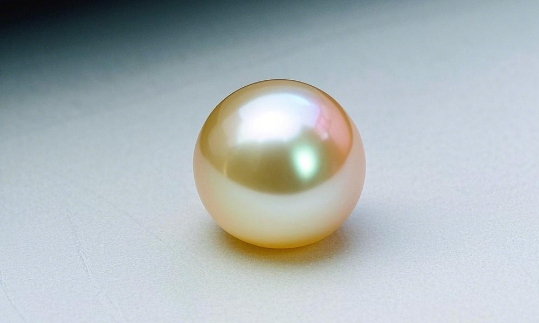
Bulk freshwater pearl wholesale strategy 2: cost control in inventory management
Inventory management is a major lever for cost control, and it unfolds in three steps. Step one is forecasting stock accurately. Wholesalers can lean on professional analytics platforms such as Tableau and Power BI to dig through large volumes of past sales data, revealing how demand for pearls shifts across regions, customer segments, and seasons in both preference and quantity.
At the same time, keep an eye on global fashion releases, economic reports, and market outlooks from industry bodies, and fold that intelligence into a sound forecasting model. One large international pearl wholesaler, for instance, lifted its forecasting accuracy from around 60% to over 85% after adopting big-data analytics, sparing itself the overstock that blind purchasing tends to cause.
That same company had previously bled about $56,000 a year to dead stock. Those losses are now down by 70%, while its stockout rate fell from 10% to under 3%, lifting both customer satisfaction and sales.
Step two is speeding up inventory turnover. Across the global pearl trade, each 10% gain in turnover can shave roughly 8%-10% off operating costs. Sharpening your sales channels and marketing helps move bulk freshwater pearls faster.
On the channel side, look past the usual jewelry retailers and wholesale partners toward newer outlets like online marketplaces and social-media selling. Consider that the global online jewelry sales market has expanded at about 5% a year over the past three years and is projected to hit $2.5 billion by 2035.
One European pearl wholesaler saw sales climb 30% in its first year on a major e-commerce marketplace, with turnover rising from twice a year to three times.
Marketing is another powerful way to accelerate sales. Tailor campaigns to the culture and buying habits of each region: in Asian markets, lean on the pearl's cherished role in wedding tradition to offer bridal-themed pearl jewelry sets; in Europe and North America, tie into current fashion with personalized, made-to-order pearl pieces.
Deal with slow movers promptly, too, using discounts, promotions, and bundles with popular items to limit overstock risk. One Middle Eastern wholesaler, for example, lifted sales of its stagnant pearl lines by 50% with a Pearl Carnival promotion, cutting the cost of carrying dead stock.
Step three is trimming storage costs, which typically eat up a sizable 20%-30% of inventory management expenses. Picking the right location and the right storage approach can meaningfully lower that figure.
Globally, siting warehouses close to production keeps freight down. In China, the world's biggest freshwater pearl source, positioning warehouses near growing hubs such as Zhuji in Zhejiang and Suzhou in Jiangsu can cut transport costs by 30%-40% versus warehousing in distant cities.
Using storage space wisely and applying disciplined methods matters just as much. The ABC method sorts inventory into three tiers by value and sales frequency: Class A holds your high-value, fast-moving pearls, which deserve the best storage conditions and prompt replenishment, while low-value, slow-moving Class C pearls warrant leaner stock levels and less space.
A first-in-first-out rule sends the earliest arrivals out the door first, guarding against the quality loss and depreciation that come with sitting too long in storage. Together, these disciplined practices can raise space utilization by 20%-30% and cut storage costs by 15%-20%.
Bulk freshwater pearl wholesale strategy 3: cost control in transport and packaging
Logistics is too costly to overlook in bulk freshwater pearl wholesale, and it splits into two parts: transport and packaging. So how do you keep those under control?
Begin by choosing your logistics partner. Industry data suggests a strong partner can cut a company's logistics spend by 10%-20%. How do you identify one? Running a tender or comparing quotes to land the best plan is the first move.
One large pearl wholesaler, for instance, drew more than ten carriers into its annual logistics tender. After weighing each on price, service coverage, transit time, and damage rate, it settled on a single provider that not only came in 15% cheaper than the prior partner but also brought the damage rate down from 3% to under 1%.
Building a lasting relationship with your carrier matters as well. Over time, a logistics partner comes to understand the particular demands of shipping pearls and can serve you more attentively, while your steady, long-term volume gives you more room to negotiate better rates.
Matching the shipping method to the cargo's weight, volume, and distance also drives real savings. Take a bulk freshwater pearl shipment moving from China to the United States: the load is heavy, mid-sized, and traveling far, so choosing sea freight over air can cut costs by 70%-80%.
Over shorter hops, say from the origin to nearby cities, road transport is flexible and relatively cheap, making it the natural pick. For lighter, time-sensitive shipments, rail strikes a solid balance between cost and speed.
Second, refine your packaging materials. Working with a packaging supplier on a custom solution is a smart move. One supplier built a design with internal dividers and cushioning layers, letting pearls be arranged by shape and size so they never knock against each other.
Ordering that packaging at scale brought its cost down by 20%. Thoughtful structural design also makes better use of the space inside: after reworking the layout, a box that once held 100 pearls now fits 120, cutting material use by around 17% and lowering packaging costs further.
Finally, map out your shipping routes. For bulk freshwater pearls traveling long distances, smart route planning yields real savings; logistics research indicates that poorly chosen routes can inflate transport costs by 15%-30%. Using modern logistics technology and information systems to track shipments live and adjust routes and modes on the fly is central to running transport efficiently.
Bulk freshwater pearl wholesale strategy 4: cost control in operations
Reining in operating costs is essential to lowering your per-unit cost. For a bulk freshwater pearl wholesaler, sensible staffing is a crucial part of that, and training your people pays off both in efficiency and in cost. The International Labour Organization has found that every $1 put into employee training returns an average of $5 to $16.
Within the pearl wholesale business, solid training can lift productivity by 20%-30%. By regularly sending staff to courses on pearl identification, selling technique, and customer service, you build sharper teams; work that once took three people to process orders can now be handled well by two, meaningfully reducing labor costs.
A well-designed performance review system counts for a lot, too. Surveys of companies worldwide show that those running a rigorous appraisal process saw employee performance rise by an average of 15%-20%.
Office overhead may be a small share of total costs, but it adds up over time. Firms worldwide can trim office-supply spending by an average of 10%-20% through centralized buying. One pearl wholesaler teamed up with several industry peers to negotiate joint purchasing, cutting paper costs by 15% and ink-cartridge costs by 20%.
Going paperless helps as well. Research from International Data Corporation shows that companies adopting paperless workflows save roughly 20% on office paper each year while easing equipment wear and energy use. Using office equipment sensibly matters too: setting air conditioning reasonably, no lower than 26°C in summer and no higher than 20°C in winter, can shave power bills by about 10%-15%.
Marketing spend is a necessary cost of promoting products and winning customers, but it needs to be kept in check. The global pearl sector averages a marketing return of roughly 1:3.5, while the best firms exceed 1:5. Setting a sound budget and plan means picking the channels and tactics that fit your target customers and market position.
Online platforms and social media open up plenty of low-cost marketing room. Content marketing runs about 62% cheaper than traditional advertising yet can generate more than three times the leads. One well-known pearl brand posts strong content, covering pearl know-how, styling tips, and new arrivals, on trade sites and social platforms, drawing in prospects while its following and sales keep climbing.
Social media delivers striking results as well. A newer pearl wholesaler that showcased polished jewelry photos and customer reviews on platforms like Instagram won over younger buyers and doubled its sales at just a third of what traditional advertising would have cost.
Conclusion
That covers the business intelligence behind bulk freshwater pearl wholesale: four strategies for controlling costs. Grasping how this side of the trade works makes it easier to put effective measures in place, cut costs, and strengthen a company's profitability and competitive edge.
In day-to-day practice, adapt your cost-control approach flexibly to your own circumstances and to shifts in the market, so the savings hold up and stay sustainable. For more insights on bulk freshwater pearl wholesale, be sure to bookmark this site.