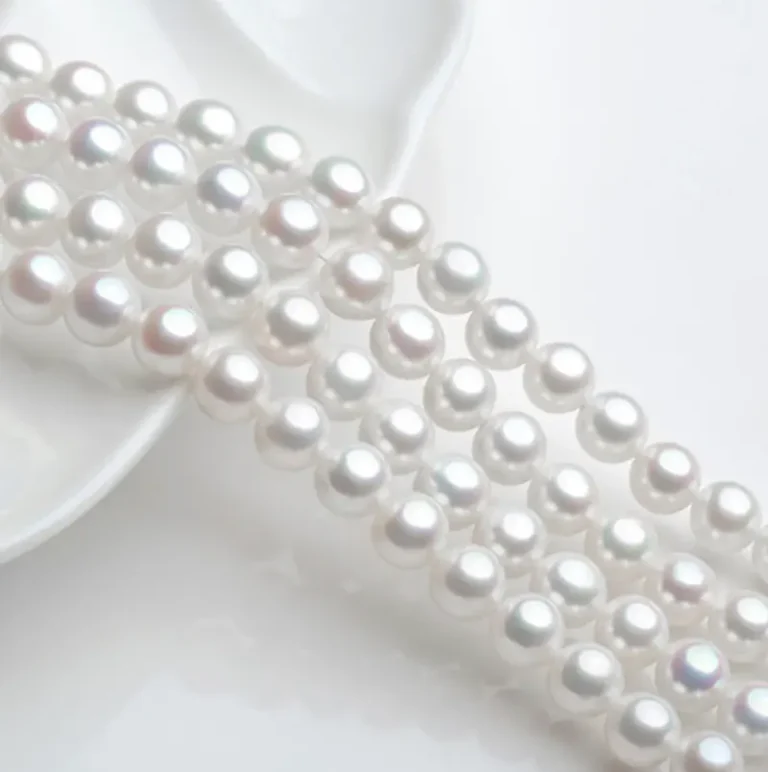



Pearls are usually the first thing that comes to mind when the conversation turns to timeless, refined jewelry. What catches many buyers off guard is just how much variety hides behind that single word. The pearl family is broad and genuinely fascinating, and each variety carries a distinct character all its own.
Come explore this remarkable world with us. Whether you design jewelry, collect it, or are simply weighing your very first pearl purchase, understanding what separates one variety from another makes it far easier to choose a piece you will hold onto and enjoy for a lifetime.
Understanding the Foundation: Natural vs Cultured Pearls
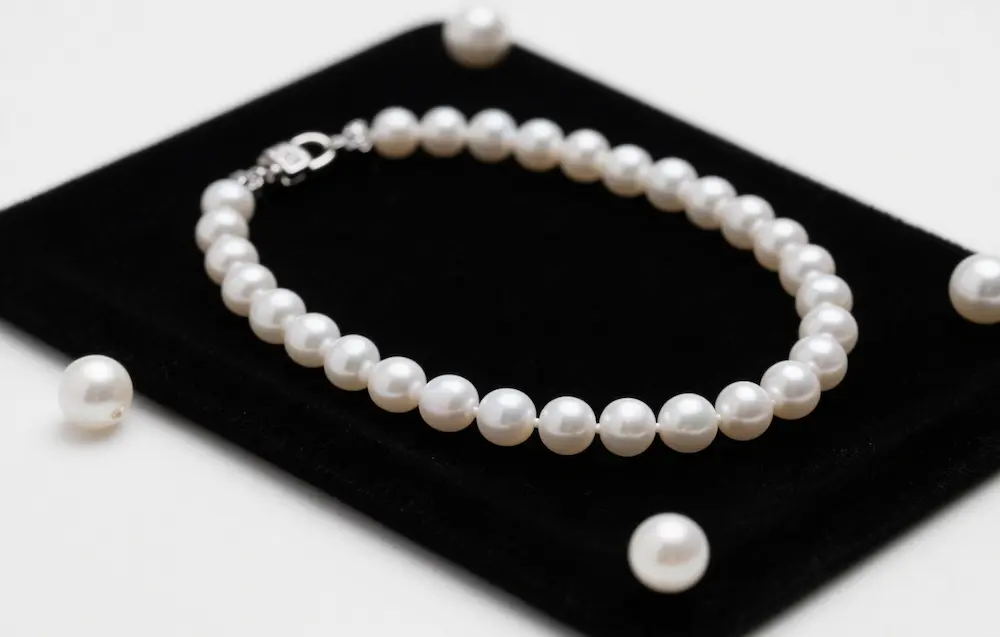
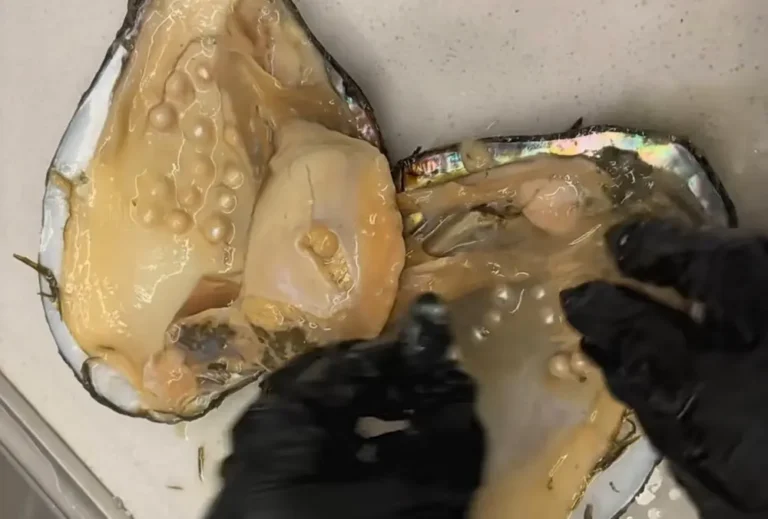
It pays to sort out the basic split between natural and cultured pearls before mapping the varieties themselves. A natural pearl begins when a tiny irritant works its way into a mollusk such as an oyster or mussel. In response, the animal wraps that intruder in layer upon layer of nacre, and over time those layers become the pearl. Left entirely to nature, this process is slow and the results are exceptionally scarce.
Cultured pearls are where our factory comes in. Here a skilled technician deliberately places a small bead or shell fragment, known as the nucleus, inside the mollusk. From that point the animal behaves exactly as it would in the wild, coating the nucleus in nacre. None of this makes the result any less genuine. These are authentic pearls through and through, sharing the same glow and the same material as their natural counterparts.
Culturing has reshaped the entire trade, putting these gems within reach of far more people than ever before. Today the overwhelming majority of pearls on the market are cultured, and the finest of them stand shoulder to shoulder with anything nature produces on its own.
The Great Divide: Freshwater vs. Saltwater Pearls
At the broadest level, pearls sort into two camps defined by the water they grow in: freshwater and saltwater. That single distinction shapes a great deal about how each pearl looks and how it feels in the hand.
Freshwater Pearls: Nature's Versatile Gems
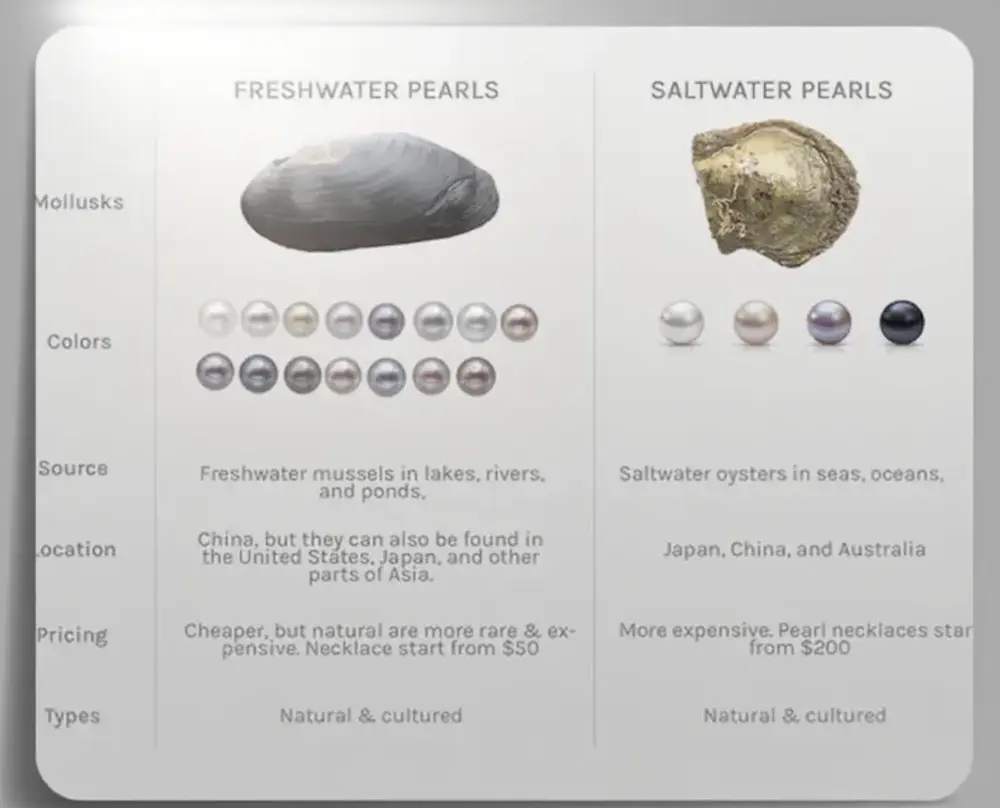
Freshwater pearls form inside mussels living in rivers, lakes, and ponds, and they hold a special appeal for collectors. China leads global output by a wide margin, though farms in Japan and the United States contribute as well. Their standout trait is sheer range: freshwater pearls turn up in a striking spread of shapes, sizes, and colors.
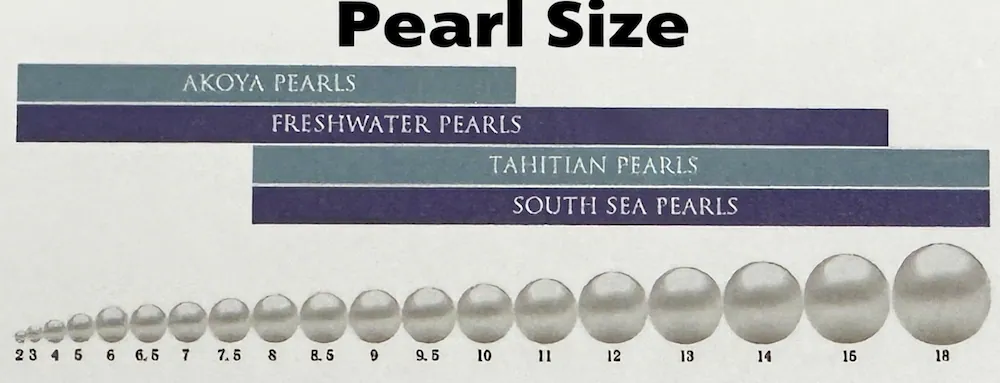
Diameters typically fall anywhere from 2mm to 15mm, with the bulk landing between 6mm and 10mm. Their palette is lovely straight from the shell, running from familiar white and cream through gentle pastels such as pink, lavender, and peach. Scarcer specimens even show up in deeper purples, golds, and bronzes.
One of the biggest draws of freshwater pearls is price: they sit well below saltwater varieties. That value makes them a natural fit for nearly any design, whether it is a low-key piece for daily wear or a bold, head-turning pearl necklace.
| Pearl Characteristic | Freshwater Pearls | Saltwater Pearls |
|---|---|---|
| Size Range | 2-15mm | 6-20mm |
| Shape Variety | High (baroque common) | Moderate (rounder) |
| Color Range | Wide natural palette | Limited but intense |
| Price Range | Most affordable | Higher investment |
| Cultivation Time | 2-6 years | 1-4 years |
Saltwater Pearls: The Ocean's Treasures
Saltwater pearls come from ocean-dwelling oysters, and among all the pearl varieties they are the ones prized for luster and shape. Their color range is narrower than that of freshwater pearls, but they tend to shine more brilliantly and hold a rounder form. Three principal types make up this group, Akoya, Tahitian, and South Sea, and each brings its own signature to a finished piece.
Because saltwater culturing usually starts with a round bead nucleus, the resulting pearls tend to be rounder than freshwater ones. That true round form, paired with their remarkable shine, is exactly why saltwater pearls remain the go-to for classic jewelry styles.
The 7 Stunning Pearl Varieties That Define Elegance
1. Akoya Pearls: The Classic Choice
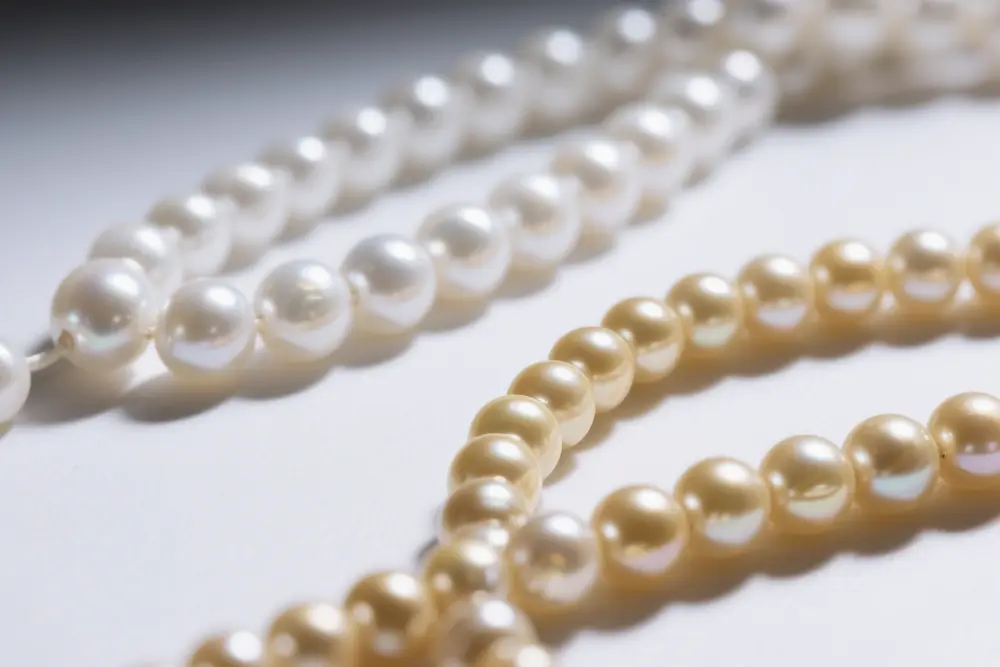
Ask someone to picture a pearl and the odds are they see an Akoya, the archetypal strand of the whole family. Produced chiefly in Japan and China, these gems are practically shorthand for pearl elegance. They owe their fame to near-perfect round form and a bright, mirror-like surface that appears to glow from within.
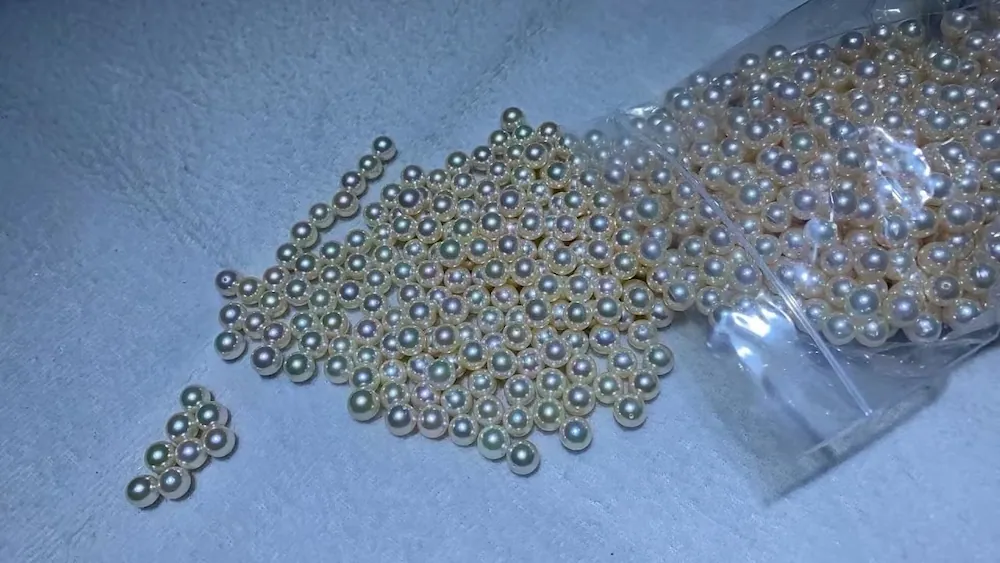
Akoya pearls generally measure 6mm to 9mm and arrive in timeless shades of white, cream, and silver, frequently touched with faint pink or green overtones. That exceptional luster makes them a natural match for formal occasions and traditional designs. Plenty of buyers treat Akoya as the yardstick for classic elegance Pearl Manufacturer.
2. Freshwater Pearls: Nature's Versatile Gems
Freshwater pearls grow inside mussels found in rivers, lakes, and ponds, and they add real depth to the pearl family. China produces the largest share by far, with Japan and the United States rounding out supply. What makes them so appealing is their variety: no other pearl offers such a wide swing in shape, size, and color.
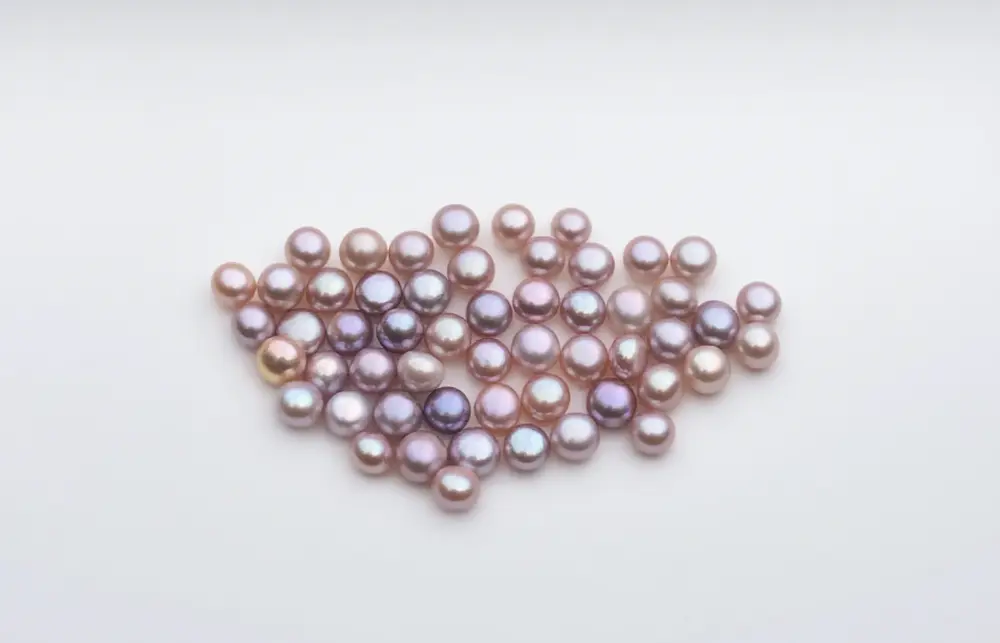
These pearls span roughly 2 mm to 15 mm across. Their colors arrive naturally and beautifully, moving from familiar white and cream into soft pastels like pink and lavender. Look a little harder and you will find rarer tones in deeper purple, gold, and bronze.
Baroque Freshwater Pearls: The baroque form is one of the most intriguing in the category. Rather than chasing symmetry, it celebrates the organic, imperfect shapes nature actually produces, which can read as strikingly artistic and completely singular. No two baroque freshwater pearls match, thanks to their inventive surface textures and free-form outlines. Those irregular shapes suit contemporary designs beautifully, and they usually carry a lower price than perfectly round pearls.
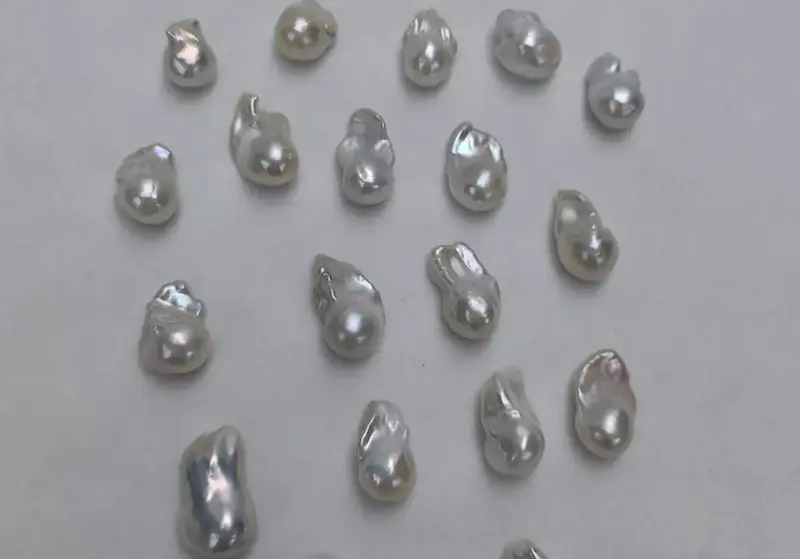
A major advantage of freshwater pearls is that they cost less than their saltwater cousins. That keeps them versatile enough for anything, from pieces you reach for every day to the kind of bold statement necklace that commands a room.
3. Tahitian Pearls: The Dark Beauties
Don't let the nickname "black pearls" mislead you. Tahitian pearls actually span a gorgeous spectrum of dark, dramatic tones. Cultivated in the clear waters of French Polynesia, these exotic gems can turn up as deep charcoal, peacock green, rich purple, or even silver.
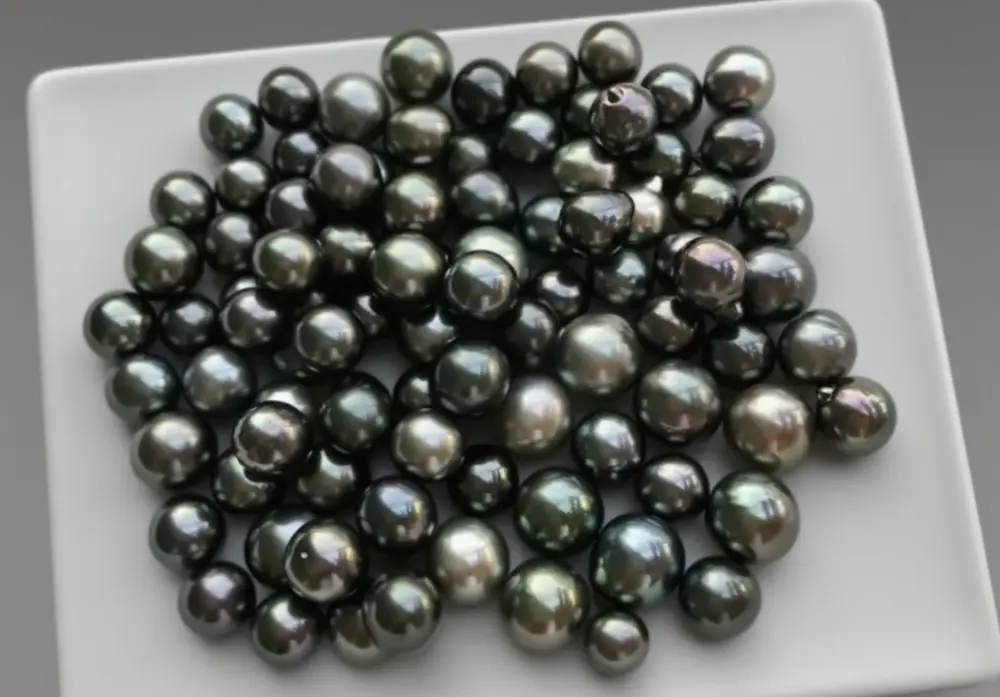
What truly distinguishes Tahitian pearls is the combination of size and those extraordinary colors. Most fall between 8 mm and 14 mm, noticeably larger than Akoya pearls and giving them an entirely different presence. The naturally dark hues trace back to the black-lipped oyster that grows them, lending each pearl a sense of mystery and refinement.
These are gems for anyone who wants to be noticed. Tahitian pearls slip just as comfortably into pared-back modern settings as they do into more traditional designs.
4. South Sea Pearls: The Giants of the Pearl World
South Sea pearls stand as the largest and rarest of all cultured pearls. Grown in the warm seas around Australia, Indonesia, and the Philippines, these remarkable gems can reach 20 mm or more, a genuinely impressive scale.
Two principal types make up the South Sea group, both produced by Pinctada maxima oysters over a span of roughly two to four years.
White South Sea Pearls: These run from bright white through soft cream and silver, and their generous size and luminous surface place them among the most coveted pearls anywhere. Most are farmed in Australia and Indonesia using the silver-lipped oyster.
Golden South Sea Pearls: Arguably the rarest cultured pearls of all, these range from pale champagne to deep, saturated gold. Value climbs with the intensity of the color, so the richest golden tones command the highest prices. Production centers on Australia and the Philippines, where the gold-lipped oyster does the work.
Both the white and golden varieties are celebrated for their striking size (typically 10-20mm), their breathtaking beauty, and their scarcity. Together those qualities rank them among the most sought-after gems in all of jewelry.
5. Keshi Pearls: Nature's Happy Accidents
Keshi pearls are one of the more delightful surprises in the cultured pearl world. They appear when an oyster ejects the bead that was meant to kick off the pearl-making process. Rather than stopping there, the oyster carries on depositing nacre, the shimmering substance a pearl is built from. The outcome is a pearl made entirely of nacre with a wonderfully irregular shape. Being solid nacre, keshi pearls glow intensely and are each utterly unique.
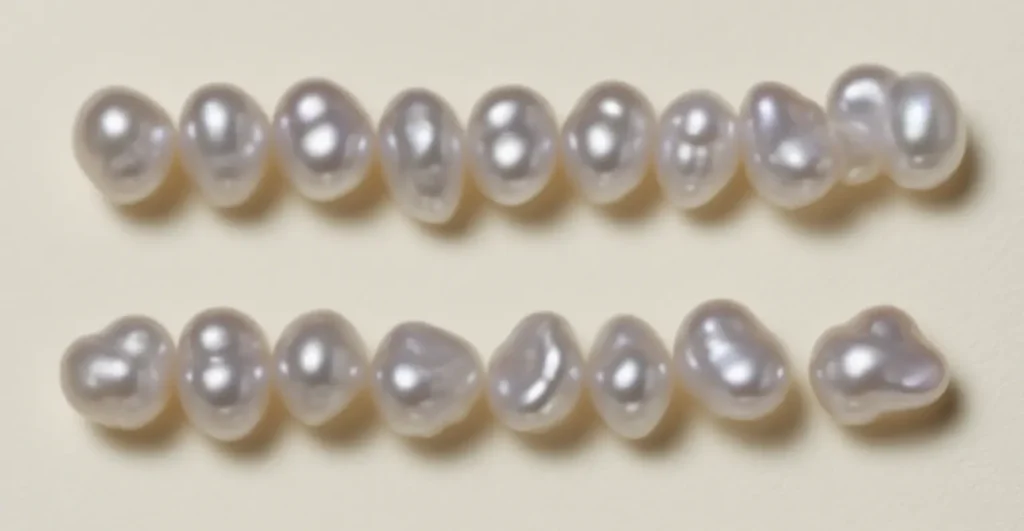
These "poppy seed" pearls, which is exactly what "keshi" translates to in Japanese, deliver a lot of beauty for the money. Because they are pure nacre all the way through, they often outshine ordinary pearls of the same type. They form in both saltwater and freshwater, so they surface across a wide range of varieties.
6. Mabe Pearls: The Half-Round Wonders
Mabe pearls, sometimes called blister pearls, develop along a different path. Instead of forming loose within the oyster, they grow fixed against the inner wall of the shell. That gives them a half-round, dome-like profile that lends itself beautifully to earrings, rings, and pendants, and their flat back makes setting them a breeze.
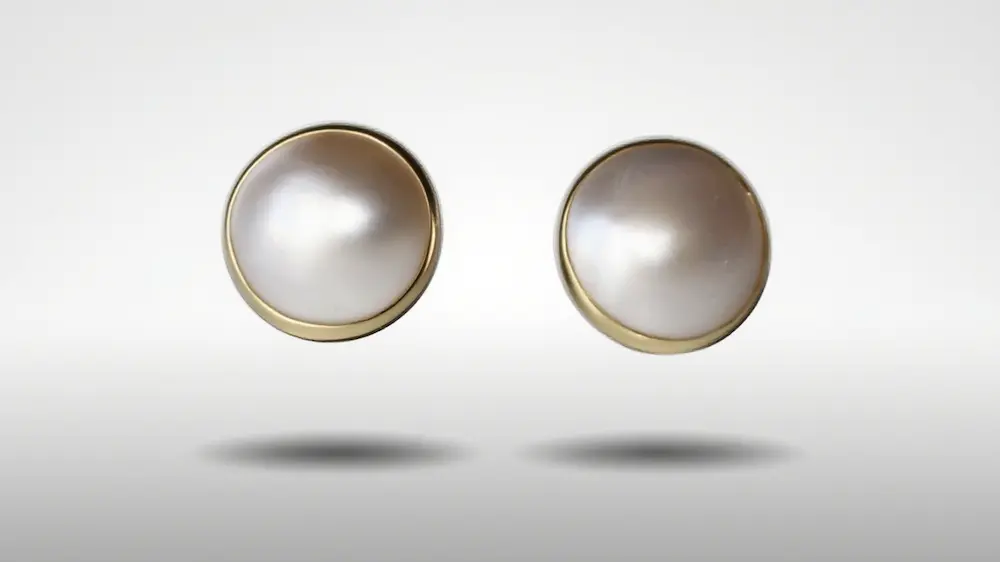
These pearls offer the presence of a large pearl without the matching price tag, which has made them a favorite in modern designs. They come in a broad spread of colors and are cultivated in both saltwater and freshwater.
7. Conch Pearls: The Natural Rarities
Conch pearls sit in a class of their own for rarity. You simply will not encounter many pearls like them. Unlike varieties that can be farmed or cultured, these are strictly natural, forming inside Queen Conch mollusks (Strombus gigas) in the waters of the Caribbean Sea.
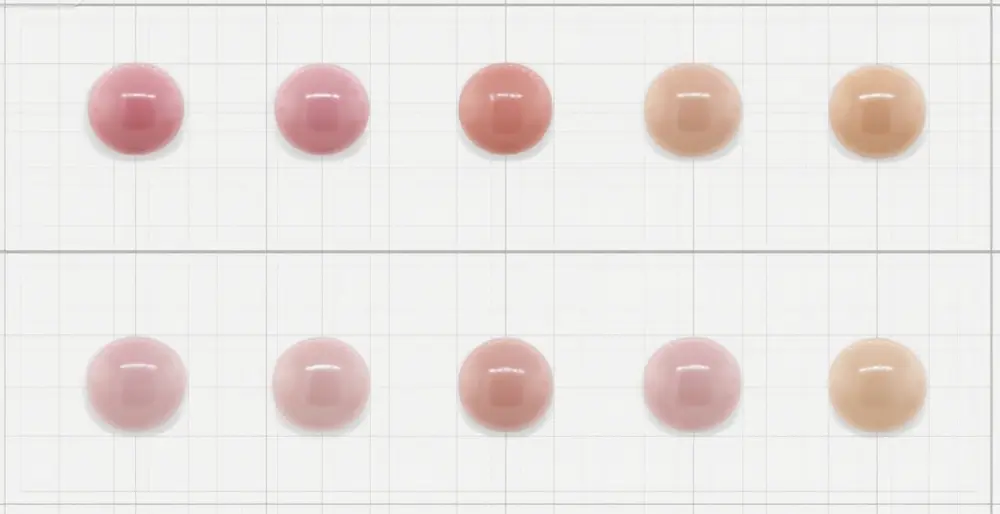
Their signature is a flame-like pattern shimmering across the surface, paired with colors that sweep from white and yellow to vivid pinks and oranges. The most prized examples combine a deep pink body with a pronounced flame effect. Since they cannot be cultured and occur so seldom, conch pearls carry premium prices throughout the jewelry world.
| Pearl Variety | Origin | Size Range | Primary Colors | Distinctive Features |
|---|---|---|---|---|
| 1. Akoya | Japan, China | 6-9mm | White, cream, silver | Perfect roundness, mirror luster |
| 2. Freshwater | China, Japan, USA | 2-15mm | Full spectrum | Most variety in shapes and colors |
| 3. Tahitian | French Polynesia | 8-14mm | Black, gray, peacock green | Natural dark colors, exotic appeal |
| 4. South Sea | Australia, Indonesia, Philippines | 10-20mm+ | White, cream, silver, gold | Largest cultured pearls, satiny luster |
| 5. Keshi | Worldwide | 2-12mm | Various | All-nacre composition, intense luster |
| 6. Mabe | Worldwide | 10-20mm | Various | Half-round shape, practical mounting |
| 7. Conch | Caribbean | 2-20mm | White, yellow, pink, orange | Natural only, flame pattern, extremely rare |
How to Choose the Right Pearl Type for You
With so many pearl varieties on the table, the choice can feel overwhelming. Weighing three things at once, your personal style, your budget, and how you plan to wear the piece, quickly narrows the field.
- For Classic Elegance: Variety #1, the Akoya pearl, is the clear pick for timeless refinement. It carries just as well through the workday as it does at a formal event, and its enduring look and intense shine keep it appropriate for any occasion.
- For Making a Statement: Variety #3, the Tahitian pearl, is ideal for anyone who wants jewelry that stays in the memory, thanks to its above-average size and its uncommon colors.
- For Investment and Luxury: Variety #4, the golden South Sea pearl, sits at the top of the price ladder. Rare, large, and undeniably beautiful, these make heirloom-caliber investments meant to pass down through the generations.
- For Everyday Wear and Versatility: Variety #2, the freshwater pearl, offers the widest selection at the friendliest prices. Their abundance of colors, shapes, and sizes, baroque included, lets you build several very different collections without a heavy outlay.
- For Unique and Artistic Pieces: If your taste runs toward one-of-a-kind jewelry that honors natural beauty and imperfection, take a closer look at Variety #5 (Keshi pearls) or Variety #6 (Mabe pearls).
- For Ultimate Rarity and Collectors: Variety #7, the conch pearl, is extraordinarily scarce. It is tailor-made for dedicated collectors drawn to natural, uncut gems that come with a story attached.
Pearl Quality Factors: What to Look For
No matter which pearl variety draws you in, a working grasp of the core quality factors will steer you toward a smarter choice:
- Luster: Of all the quality factors, luster carries the most weight. A fine pearl should show an almost mirror-like surface that throws back light and images with real clarity, and it is that deep inner glow that makes the gem so mesmerizing. As the Gemological Institute of America (GIA) explains, luster is judged by how sharp and how bright the reflections appear across the pearl's surface.
- Surface Quality: The state of the surface shapes both looks and value. As you examine pearls, aim for pieces that carry as few blemishes, spots, or uneven patches as you can find.
- Shape: Personal taste certainly plays a part here, yet a flawlessly round pearl is generally treated as the most prized. Near-round follows, then oval, and finally the free-flowing baroque forms.
- Size: As a rule, larger pearls command higher prices, simply because they are harder to come by, and that scarcity is even more pronounced among saltwater types.
- Color: When it comes to color, look for an even, consistent tone that genuinely appeals to you. Keep in mind that some hues are rarer than others, and that rarity feeds straight into value.
The Pearl Market: Current Trends and What to Weigh
The pearl trade never stands still; fresh cultivation methods for different types of pearls and new design directions keep surfacing. Buyers today care deeply about where their jewelry comes from, and that curiosity is lifting appreciation for cultured pearl farming as a sustainable craft.
It catches plenty of people off guard, but pearl farming can genuinely benefit the ocean. Farms have every reason to keep their waters clean, and the sites often double as sheltered spots where a wide range of sea life can settle and thrive.
When the time comes to wholesale pearls, your safest route is a pearl dealer who has been in the business for a long while and is known for honest dealing.
Looking After Your Pearl Collection
Caring for different types of pearls isn't especially demanding, yet understanding what each variety needs is what keeps them lovely for years.
Pearls are organic gems, so they lack the toughness of most mineral stones, registering only 2.5 to 4.5 on the Mohs hardness scale. Because they are so delicate, they deserve gentle handling and thoughtful storage to keep scratches and damage at bay.
- Storage: Keep your pearls apart from harder gemstones and metal pieces. A soft pouch or a lined jewelry box gives them the best protection.
- Cleaning: A little mild soap in warm water is the ideal way to clean pearls. One word of caution: skip ultrasonic machines, steam cleaning, and harsh chemicals entirely, since any of them can seriously harm the gems.
- Wearing: Save your pearls for last, slipping them on only after cosmetics, perfume, and hair products are in place, since those substances can wear down the pearl's surface over time.
- Professional Care: Have your pearl jewelry cleaned and restrung by a professional from time to time, especially if you wear it often. That bit of attention keeps every piece looking its finest.
FAQs
What are the different types of pearls?
The principal varieties are freshwater, Akoya, Tahitian, and South Sea, each grown by a different mollusk and sitting in its own price bracket.
What is the most expensive type of pearl?
Natural South Sea rounds in gold or white top the list: large, scarce, and carrying price tags that rival a small car.
What is the highest quality pearl?
A top-grade “AAAAA” Akoya or a “Gem” South Sea, with its mirror shine, near-flawless surface, and true round shape.
What are cheap pearls called?
Fashion pearls, sometimes called “shell” pearls: coated beads that mimic the real thing for just a few coins.
To sum up: the spectrum of different types of pearls holds something for everyone, from the budget-minded jewelry fan to the serious collector chasing investment-grade gems. What makes this jewelry so special is that every pearl type carries its own beauty, history, and character.
Once you understand what sets Akoya pearls, Tahitian pearls, South Sea pearls, and freshwater pearls apart, you are equipped to choose pieces you will treasure for years to come.
The “best” pearl is really the one that lifts your spirits every time you wear it. As you look over the different types of pearls for your collection, pause to learn where each one comes from, admire its natural beauty, and think about how it suits your style. Somewhere out there sits the perfect pearl for you; the task is simply finding the one that wins your heart. The journey into the world of pearls is every bit as lovely as the gems at its end. Step into the delight that has drawn jewelry lovers for thousands of years as you explore these varieties, letting each pearl you choose tell a story of your own. That choice ties you to the ancient tradition of these ocean treasures while showing off your personal taste and character.