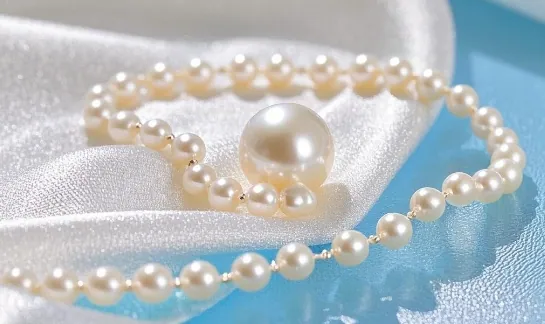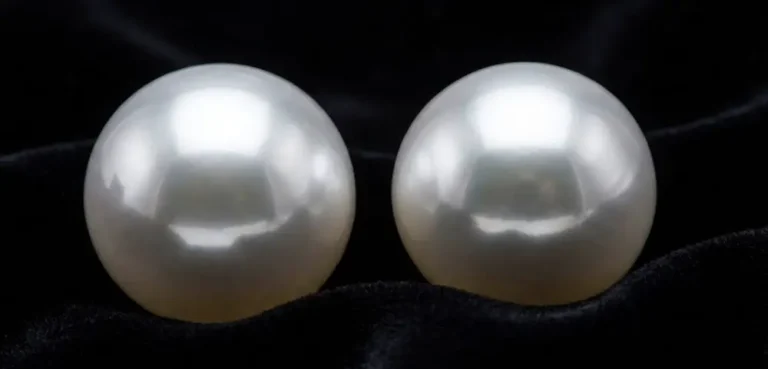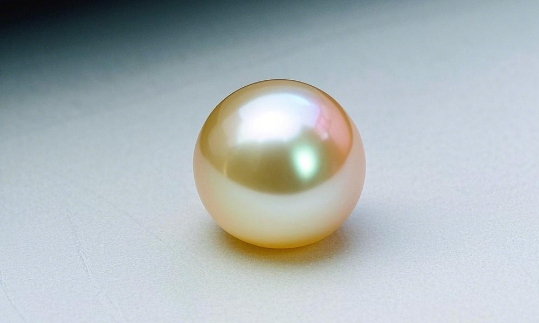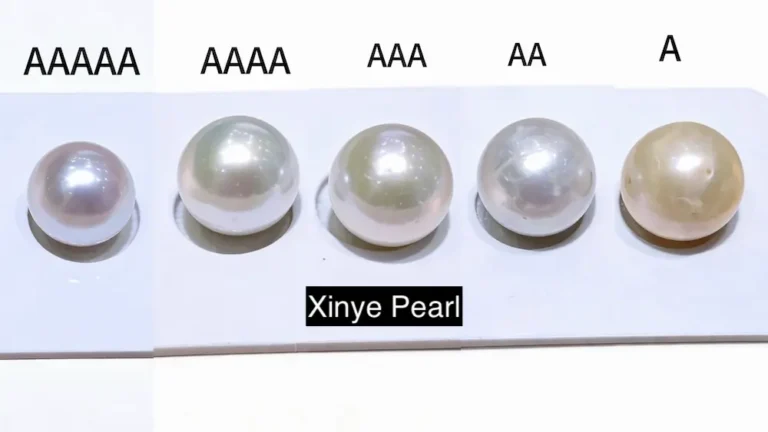



Edison pearls are oversized freshwater pearls prized for their rounded form, powerful luster, and a palette that runs from white and pink to lavender, purple, and metallic shades. Grown in freshwater mussels, most are cultured in China and lend themselves well to statement earrings, pendants, rings, and bolder pearl pieces. For jewelry labels and bulk buyers, their appeal is simple: they deliver dimensions few standard freshwater pearls can match, yet they typically land well below the price of comparable South Sea pearls.
What Are Edison Pearls
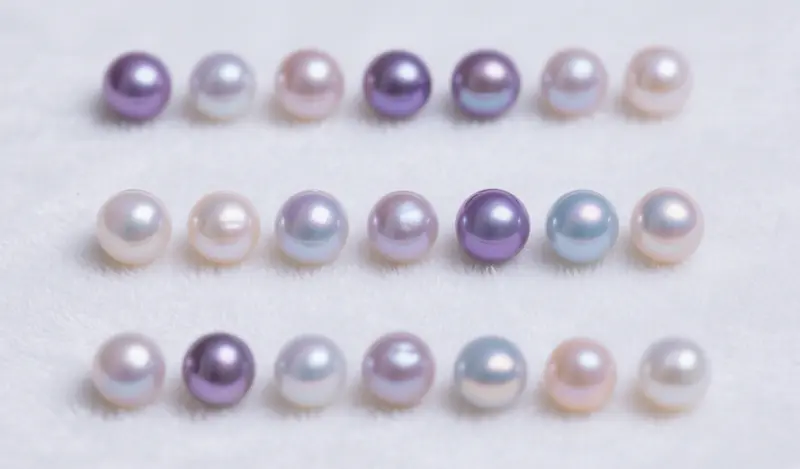
The term Edison pearl refers to a large freshwater variety celebrated for its scale and its range of hues. These pearls form inside freshwater mussels, cultivated above all in China, which remains the leading source today. Their name pays tribute to Thomas Edison, a nod to the ingenuity behind the cultivation methods and to the luminous shine the pearls are known for.
Although Edison pearls are a comparatively recent arrival, they gained a following fast, largely because they carry the traits usually reserved for costly saltwater types such as South Sea or Akoya, only without the steep price. They are produced through refined freshwater culturing techniques, with an emphasis on sustainable practice, so the result is a large, high-quality pearl with a captivating glow.
The bulk of Edison pearls originate on well-run freshwater farms in China where quality control and environmental stewardship take priority. That controlled approach allows growers to fine-tune size, shape, and color, and it is exactly what sets Edison pearls apart within the freshwater market.
Across this guide we'll break down what gives Edison pearls their distinct character, how they stack up against other pearl varieties, how to recognize the genuine article, and how to care for and shop for them. By the time you finish, you'll see clearly why an Edison pearl is such a strong candidate for your next necklace, pair of earrings, or bracelet.
What makes Edison pearls different?
The first thing that distinguishes Edison pearls is sheer scale paired with shape diversity, and that's central to understanding what Edison pearls really are. They rank among the biggest freshwater pearls on the market, commonly falling between 10 mm and 20 mm and sometimes exceeding that. Because their forms span from almost perfectly round to loose, organic baroque, you have plenty of room to choose whether you're after a traditional look or something more distinctive.
Color is the other headline feature, and it goes a long way toward defining what Edison pearls are. Rather than the familiar whites and creams of ordinary freshwater pearls, these turn up in confident tones like deep lavender, pink, gold, and iridescent peacock-like shades. That spectrum makes them the obvious pick for anyone who wants a hit of color in their jewelry.
Surface quality is another strong point. No pearl is ever truly flawless, but Edison pearls tend to show a notably clean surface and an intense shine that rivals, and at times surpasses, that of certain saltwater pearls. It's this depth of luster that gives Edison pearl jewelry its rich, almost lit-from-within appearance.
Producing these pearls is no quick process. An Edison pearl generally spends three to four years in cultivation, and that duration is what builds up its size and color, a defining trait when you're pinning down what Edison pearls are. The Chinese farms behind them rely on sustainable methods that protect the surrounding waters while still yielding these striking pearls, which makes them a fairly eco-conscious choice.
In short, Edison pearls owe their popularity to the following:
- Their generous size, which suits bold, statement-driven designs
- Their variety of shapes, spanning round through free-form baroque
- Their vivid, attention-grabbing colors rarely found in other pearls
- Their clean surface paired with a genuinely powerful shine
- Their careful, sustainability-minded cultivation
Taken together, these qualities make Edison pearls a genuinely distinctive and attractive option among cultured freshwater pearls. At this point, most of the common questions around what Edison pearls are should be well answered.
Differences Between Edison Pearls and Other Types of Pearls
Before we examine each pearl type more closely, the table below offers a quick side-by-side overview.
| Pearl Type | Common Size | Origin | Look | Typical Use |
|---|---|---|---|---|
| Edison Pearl | 8-15mm, sometimes larger | Freshwater, mainly China | Large, colorful, strong luster | Earrings, pendants, rings, statement jewelry |
| Akoya Pearl | 6-9mm | Saltwater, mainly Japan and China | Smaller, round, sharp luster | Classic strands and studs |
| South Sea Pearl | 10-16mm+ | Saltwater, Australia, Indonesia, Philippines | Large, white, silver, or golden | Luxury jewelry and high-end designs |
| Standard Freshwater Pearl | 4-10mm | Freshwater, mainly China | Many shapes and sizes | Everyday jewelry, strands, bracelets |
There are several reasons Edison pearls hold their own when you're weighing your options. Here's a concise breakdown of how they measure up against other well-known varieties, which should further clarify what Edison pearls are:
Edison Pearls vs Akoya Pearls
- Size: Edison pearls run larger on the whole, often hitting 10-15mm, whereas Akoya pearls stay smaller, roughly in the 6-8mm range.
- Color: Edison pearls span a broad set of bold tones, from white and pink to lavender and even black. Akoya pearls stick largely to classic white or cream carrying rose or silver overtones.
- Luster: Akoya pearls are famed for a crisp, mirror-like luster, while Edison pearls trade that hard edge for a softer yet still deep, reflective glow.
- Price: Akoya pearls frequently cost more per pearl thanks to their roundness and pedigree, but Edison pearls counter with greater size and color range at strong value.
Edison pearls vs South Sea pearls
- Size: Both varieties reach large dimensions, though South Sea pearls tend to grow bigger still, occasionally beyond 15mm.
- Color: South Sea pearls are mainly white, silver, or golden, whereas Edison pearls give you a wider choice of colors.
- Origin: South Sea pearls develop in saltwater oysters across Australia, Indonesia, and the Philippines, while Edison pearls are freshwater pearls cultured chiefly in China.
- Price: South Sea pearls generally command more because of their scarcity and saltwater source; Edison pearls come in more affordable while remaining impressive.
Edison pearls vs standard freshwater pearls
- Shape and Size: Edison pearls do belong to the freshwater family, yet they usually turn out rounder and larger than their freshwater cousins.
- Color Range: Edison pearls are cultivated specifically to yield those vivid, saturated colors, whereas ordinary freshwater pearls lean toward gentler, more subdued shades.
- Luster and Surface: The shine on an Edison pearl is simply a cut above, and its surface tends to carry fewer minor blemishes, giving it a distinctly more luxurious look.
- Growth Time: Edison pearls need a longer cultivation window, often three to five years. That added time is what develops their quality and, in turn, shapes their price.
How much are Edison pearls worth?
- For buyers who want sizeable pearls without paying South Sea or Akoya prices, Edison pearls make an excellent alternative.
- They sit comfortably in the middle ground between pricier saltwater pearls and everyday freshwater ones.
- If your priority is large, hard-wearing pearls at a more approachable price than most saltwater options, Edison pearls fit the bill.
Edison pearls are a sensible pick whenever a design calls for larger freshwater pearls that bring visible color, powerful luster, and real presence.
How to identify good Edison pearls
Learning to recognize authentic Edison pearls matters before you commit to a purchase. The pointers below make it easier to separate the genuine article from imitations, particularly once you grasp what Edison pearls are:
- Size and Weight: Edison pearls run larger and are often noticeably heavier than most freshwater pearls. Be wary if a pearl feels too light for its apparent size.
- Luster and Surface: An authentic Edison pearl shows a clean surface and a bright, mirror-like sheen. Real pearls carry small natural imperfections, so treat both dull patches and suspiciously perfect surfaces with caution.
- Color Depth: The saturated colors of Edison pearls read as layered and deep rather than flat or painted on. Expect slight natural variation, but the overall tone should look consistent and organic.
- Shape: They are usually round or close to it, though baroque forms occur too, presenting balanced, organic silhouettes.
Sourcing your Edison pearls from a reputable supplier pearl supplier, such as our factory is a smart move. We can provide the documentation and guarantees that confirm you're getting genuine cultured Edison pearls straight from the source freshwater farms in China, which is essential to know when you're asking what Edison pearls are.
That said, imitations are out there. The usual culprits include:
- Glass or plastic beads finished with a coating meant to pass as pearl
- Cheap pearls dyed to imitate the look of Edison pearls
- Counterfeits betraying an uneven sheen or oddly unnatural coloring
To avoid getting shortchanged, buy from established pearl suppliers like our factory and always request proof of authenticity, a step that really counts when you're considering what Edison pearls are. Genuine Edison pearls carry identifiable traits, and you'll receive guarantees you can rely on.
Why Choose Edison Pearls Benefits and Uses
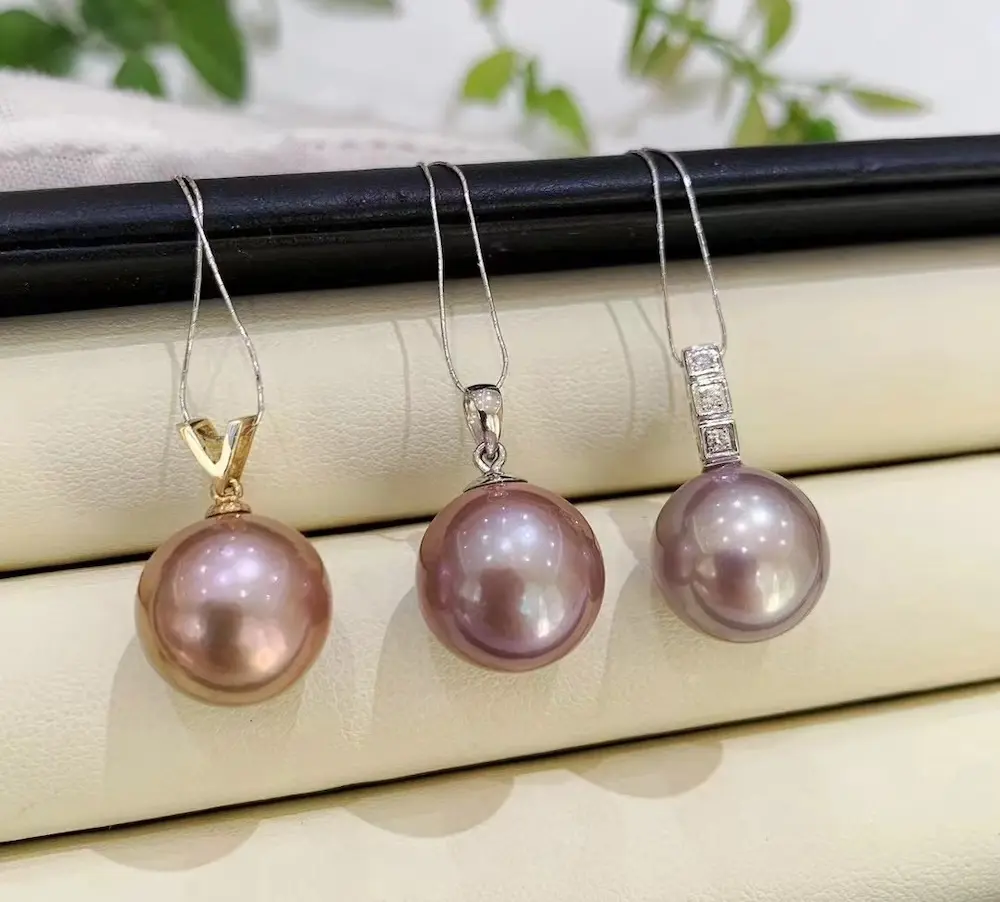
Here's what keeps driving demand for Edison pearls:
- Jewelry Versatility: Their generous size and wide color range make Edison pearls a natural fit for almost any piece. Whether the goal is a bold necklace, refined earrings, a standout ring, or an easy-wearing bracelet, they slot right in. Their scale and shine let a design command attention without any added embellishment.
- Fashion Trends Featuring Edison Pearls: Edison pearls are turning up everywhere right now, from magazine pages to influencer feeds. Their unusual color range and glossy finish make them equally at home at formal occasions and in everyday wear, and a growing number of designers are reaching for them to give classic freshwater pearl looks a fresh update.
- Hypoallergenic and Durable: If your skin is sensitive, Edison pearls are a reliable choice, since they are naturally hypoallergenic and unlikely to cause irritation. On top of that, the sustainable freshwater cultivation behind them yields pearls tough enough to withstand daily wear better than many other types.
- Investment and Heirloom Potential: Because they stand apart from the ordinary freshwater crowd, especially the larger, more vivid examples, Edison pearls tend to hold their value well. Buying genuine Edison pearls can be a shrewd financial move as much as a source of keepsakes to pass down, so you end up with something both valuable and beautiful.
In essence, Edison pearls blend style, comfort, and durability into one package, which makes them a smart, on-trend choice for anyone who takes their jewelry seriously.
Caring for Edison Pearls
Edison pearls are lovely, but keeping their shine and color intact takes a little dedicated attention. Here's how to look after an Edison pearl necklace and your other pieces so you preserve the very qualities that define what Edison pearls are:
Cleaning Tips
- Once you've finished wearing your pearls, wipe them gently with a soft, slightly damp cloth to lift away any oils, perspiration, or dirt they may have collected.
- Keep them away from harsh chemicals, detergents, and ultrasonic cleaners, all of which can genuinely damage the pearl's surface.
- For a more thorough clean, use a little mild soap in water, then rinse well and dry the pearls right away with a soft cloth.
Storage Tips
- Store your Edison pearls apart from other jewelry so they don't pick up scratches.
- Tuck them into a soft pouch or a lined jewelry box.
- Avoid airtight containers and plastic bags, since pearls need a touch of moisture to hold their shine.
Maintaining Luster and Preventing Damage
- Take pearls off before swimming, showering, or applying perfume and hairspray, as chemicals can flatten their finish.
- Make your Edison pearl jewelry the last thing you put on and the first thing you remove.
- Keep pearls out of prolonged intense heat or direct sunlight, which can cause their colors to fade.
Professional Servicing and Repair
- If you wear them often, have your pearls restrung every year or two to guard against breakage.
- For surface issues or scratches, it's best to bring your pearls to a jeweler who understands how to handle them.
- Having your Edison pearl jewelry inspected on a regular basis goes a long way toward keeping it beautiful and extending its life.
Regular check-ups on your Edison pearl jewelry really do help preserve its beauty and make it last.
Buying Edison pearls wholesale
- When you're sourcing Edison pearls, keep these key factors in mind so you're sure you're getting good value:
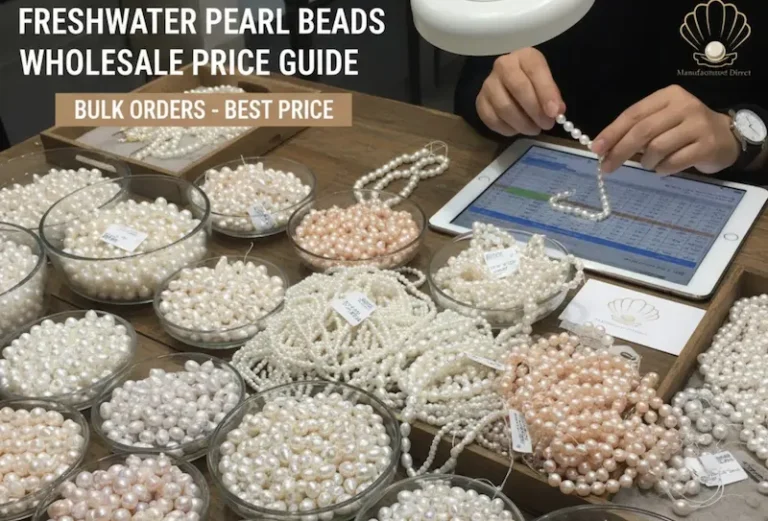
- Size: Edison pearls are known for running large by freshwater standards, typically anywhere from 9mm up past 15mm. As a rule, the larger the pearl, the higher its value.
- Color: The color range on Edison pearls is remarkable, taking in white, soft lavender, various pinks, and dazzling peacock tones. Choose a shade that genuinely suits your style.
- Surface: For the finest sheen and appearance, seek out pearls with a clean surface bearing as few tiny marks as possible.
- Shape: While a perfectly round pearl is always a classic, Edison pearls are also prized for their less conventional forms, from near-round to free-form baroque.
- Cost: Pricing shifts with a pearl's size, color, and overall quality, but Edison pearls tend to deliver excellent value next to saltwater types like Akoya or South Sea.
Where to Buy Edison Pearls
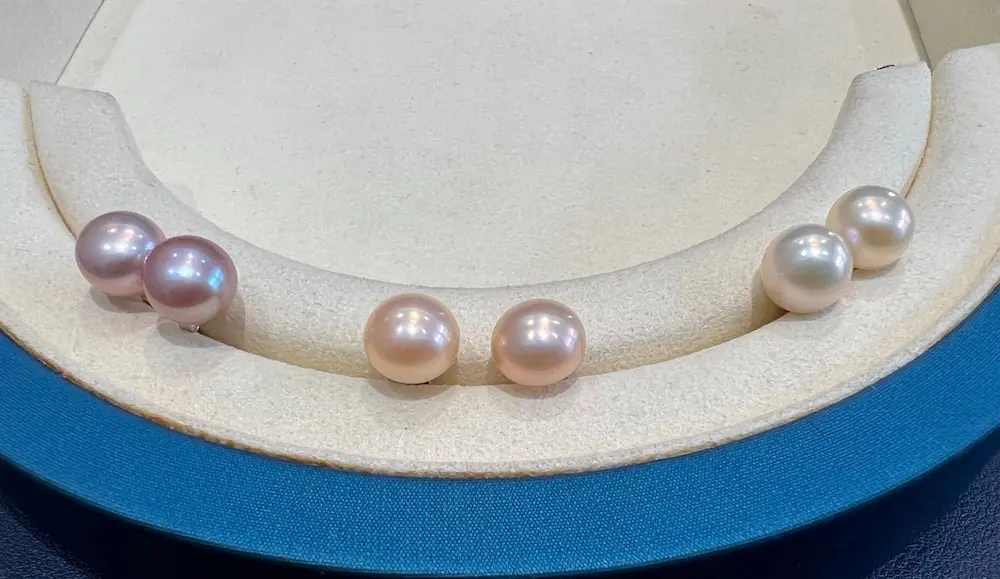
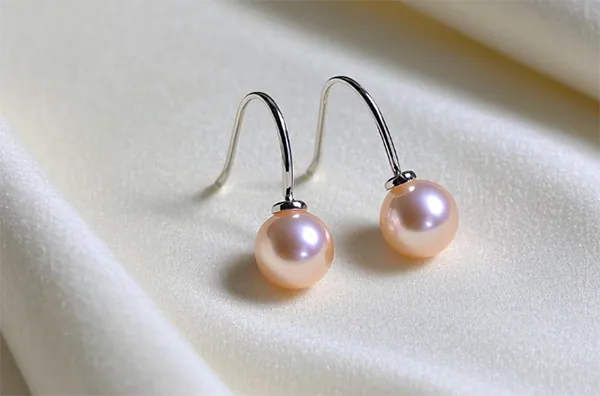
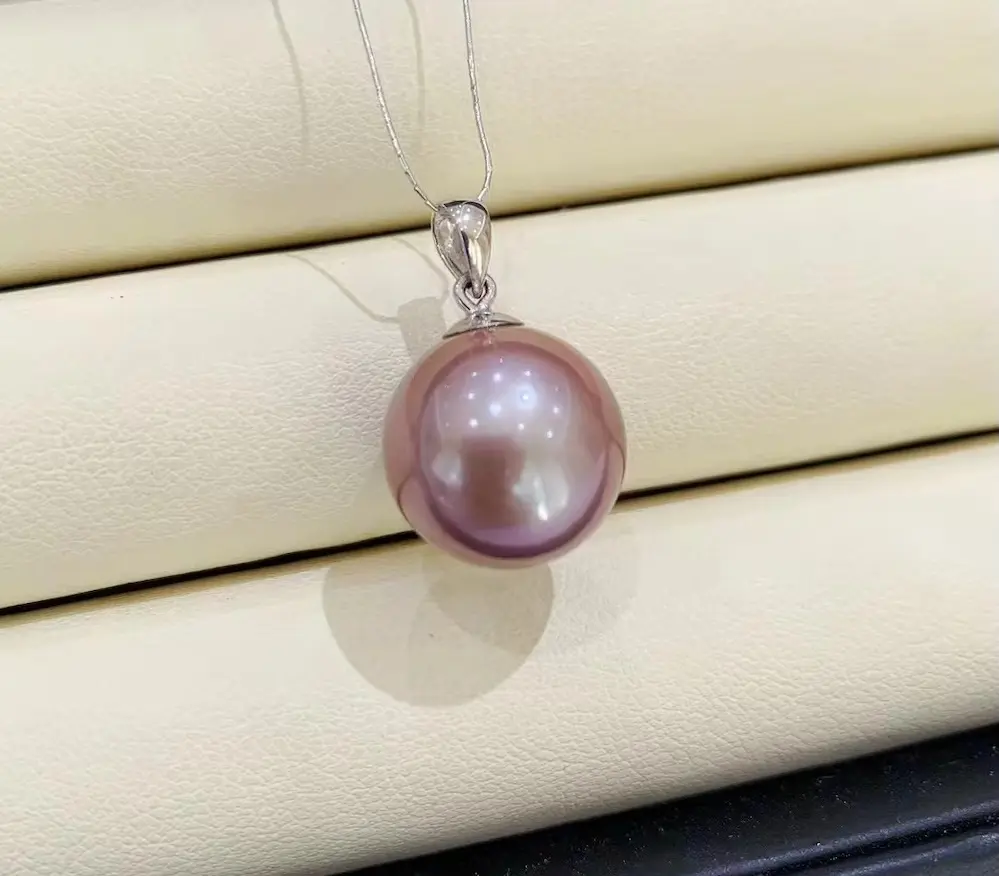
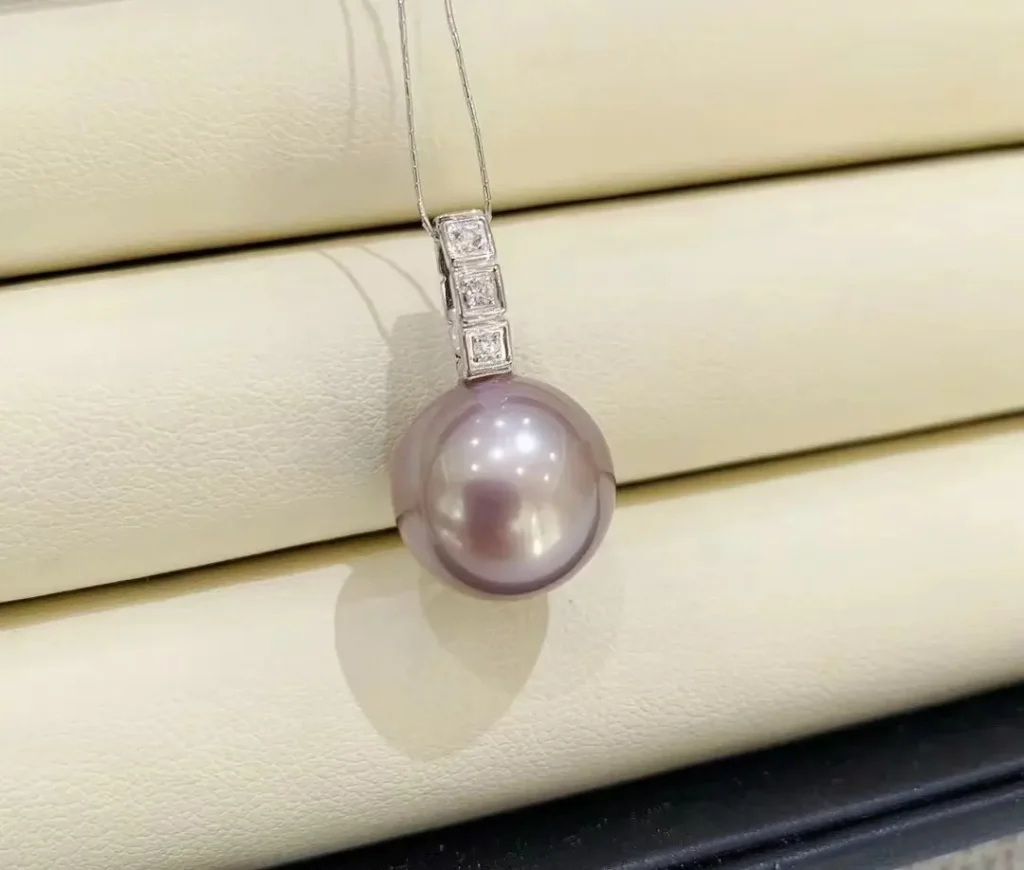
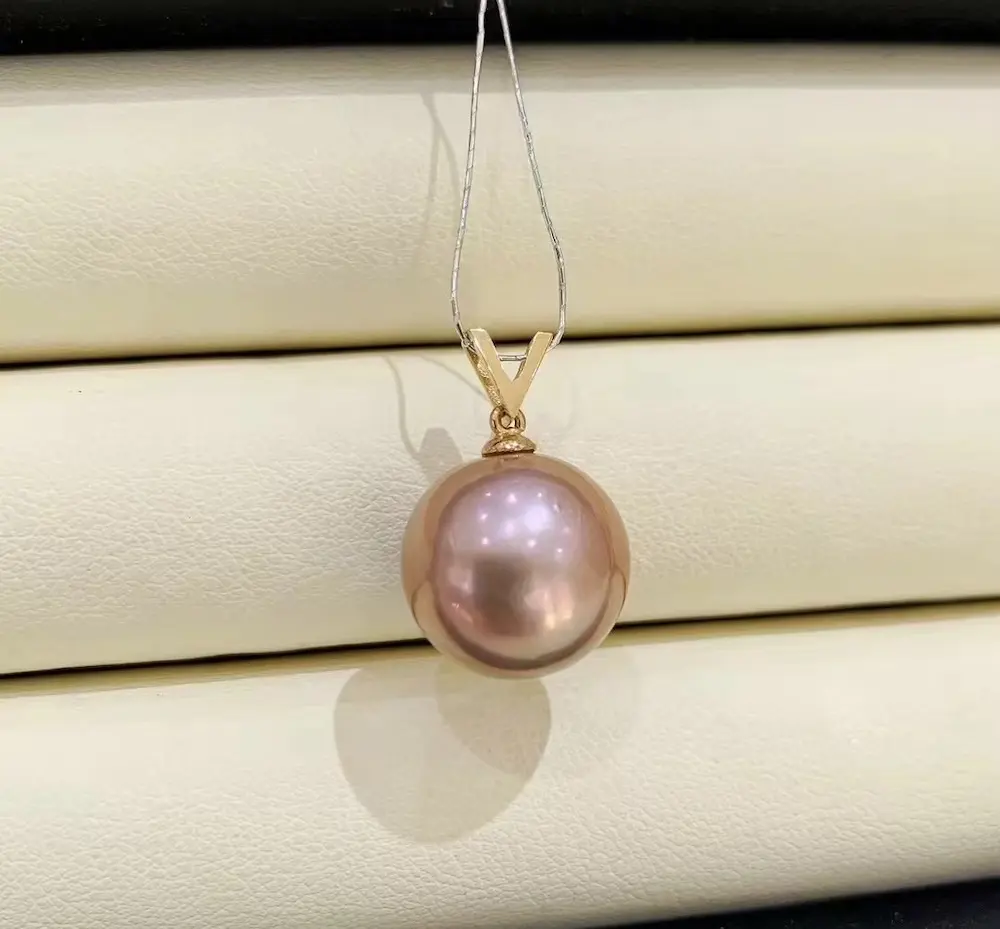
You can find Edison pearls both online and in physical stores, and each route carries its own trade-offs as you work toward answering what Edison pearls are:
- Buying online is remarkably convenient and usually puts a broad selection, along with detailed information on each pearl, at your fingertips.
- Shopping in person lets you inspect the pearls up close and tap the knowledge of an in-store expert. The trade-off is that the range on hand may be limited.
Customization and Personalized Designs
Our factory offers wholesale bespoke jewelry built around beautiful Edison pearls. We'll help you develop custom pearl bracelets, pearl rings, pearl earrings, and pearl necklaces, so you can put the distinctive qualities that define what Edison pearls are on full display.
FAQs About Edison Pearls
Are Edison pearls real pearls
A: Yes, Edison pearls are absolutely genuine cultured pearls. They grow inside freshwater mussels, primarily in China, and are celebrated for their size and their striking colors.
Can Edison pearls be dyed or treated
Edison pearls can indeed be dyed to intensify or alter their color, though plenty of buyers favor the natural tones. Always check with your seller about whether the pearls have been treated or dyed, especially when you're buying online.
How long do Edison pearls last
With good care, Edison pearls can last many years and even become family heirlooms. Their tough outer layer, the nacre, makes them more durable than some other pearls, and routine cleaning together with careful storage will keep them looking their best.
Are Edison pearls a good gift idea
Definitely. Edison pearls make thoughtful, timeless gifts for birthdays, anniversaries, or any milestone worth marking. Their good size, wide color range, and durability make them ideal for jewelry that lasts and truly impresses.
Are Edison pearls real pearls?
An Edison pearl gains value when it combines strong luster, a clean surface, a round shape, and appealing color, whether natural or treated. Size factors in as well, particularly for pearls above 12mm.
Why are Edison pearls cheaper than South Sea pearls?
Because Edison pearls are freshwater and can generally be cultivated in greater volume than South Sea pearls, they stay more attainable for jewelry brands after larger pearl sizes without paying South Sea prices.
Can I buy Edison pearls wholesale?
Yes. Our factory supplies Edison pearls wholesale to jewelry brands, designers, and retailers. Since available sizes, colors, and grades track current stock, it's wise to request sample options before committing to a bulk order.