




There has rarely been a better moment to launch a pearl jewelry brand, and the barrier to entry keeps dropping. Demand for pearls is on the rise, and an online storefront puts buyers on every continent within reach. Whether your goal is a brand of your own or a fresh line added to an existing shop, working with wholesale pearls gives you a foundation that is both profitable and durable.
The appeal of pearls goes beyond their timeless elegance; they also happen to be a remarkably flexible product to build a company around. Where many kinds of jewelry demand intricate fabrication, pearl pieces can be assembled fairly simply and still command healthy retail prices. What separates the winners? A knack for sourcing quality wholesale pearls in volume and transforming them into designs customers keep coming back for.
Understanding the Pearl Market Landscape
It pays to understand the terrain before you commit to a wholesale pearl jewelry venture. This is a category with genuine structural advantages, and those advantages matter most when you are just finding your footing.
Consider the fundamentals. Pearls carry a reputation for refinement that crosses cultures and generations, so you are not gambling on a trend that fades by next season; you are backing something with staying power. On top of that, the on-ramp is gentler than most jewelry categories, since there is no need for costly machinery or the expertise required to cut and facet gemstones.
The room to maneuver is generous, too. You might stock budget-friendly freshwater strands that retail under $100, or reach for uncommon South Sea pearls that fetch thousands. That range lets you shape the business around your chosen audience and the capital you have available at the outset.
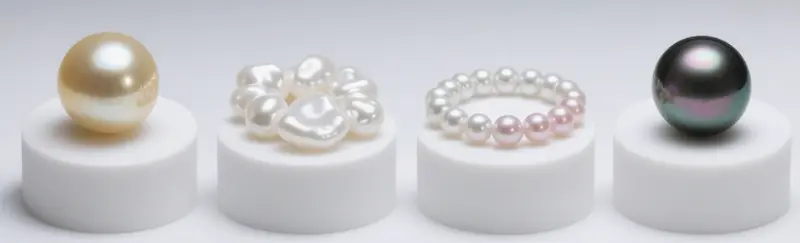
Shopping for wholesale pearls, you will encounter several distinct types, each carrying its own price point and market appeal:
| Pearl Type | Origin | Typical Wholesale Price Range | Market Position |
|---|---|---|---|
| Freshwater pearl | China, USA | $5-$50 per strand | Entry-level to mid-range |
| Akoya pearl | Japan, China | $50-$500 per strand | Classic, traditional |
| Tahitian pearl | French Polynesia | $200-$2,000 per strand | Luxury, exotic |
| South Sea pearl | Australia, Philippines | $500-$5,000 per strand | Ultra-luxury |
Step 1: Define Your Business Model and Target Market
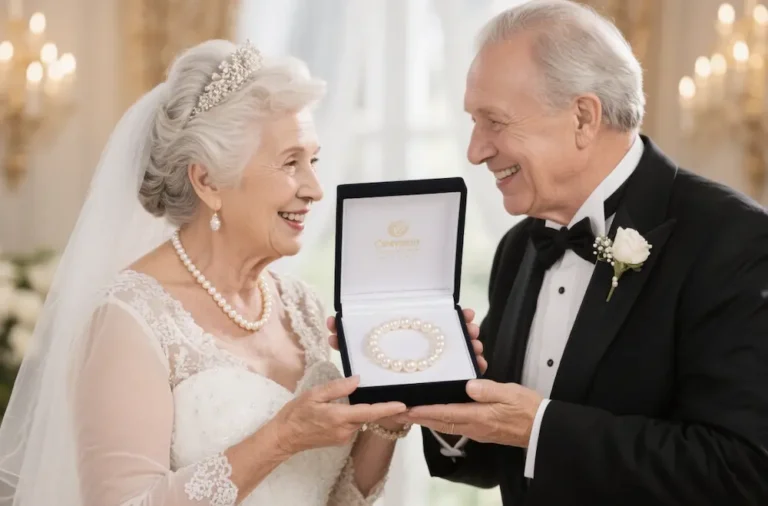
Real traction in pearl jewelry begins with clarity about exactly who you serve and how you reach them. Is your audience brides hunting for timeless wedding pieces? Fashion-forward twenty-somethings drawn to contemporary pearl designs? Or professionals looking for polished, everyday accessories?
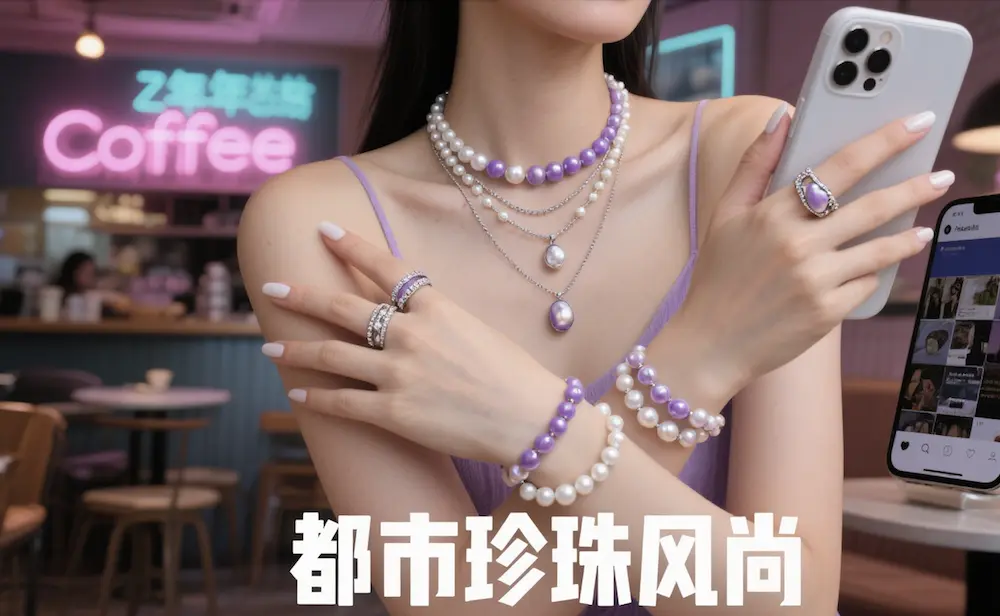
Each of these audiences carries its own expectations, price tolerance, and shopping habits. A busy young professional may reach for understated pearl studs suitable for daily wear, while a wealthier buyer gravitates toward bold statement necklaces built around rare, unusual pearls. Read those distinctions and let them steer every downstream decision, from how you price and merchandise your pieces to which pearls you order from wholesale pearls.
It is also worth deciding early whether your focus leans toward ready-made inventory or bespoke design work. Many thriving pearl jewelry shops split the difference, maintaining a core lineup of crowd-pleasers while accepting custom commissions for those singular, special-occasion moments.
Research Your Competition
Invest some hours in mapping what already exists within your chosen niche. Visit brick-and-mortar jewelers, browse competing online shops, and where possible attend jewelry trade shows, particularly the ones featuring wholesale pearls suppliers. Study the pieces themselves, but pay equal attention to how they are staged, priced, and promoted.
Hunt for the gaps. Perhaps sleek, minimalist pearl jewelry is scarce in your area, or nobody is offering affordable-yet-elevated pieces to young professionals. Openings like these are precisely where a newcomer can plant a flag.
Step 2: Source Reliable Wholesale Pearl Suppliers
Securing the right pearl supplier may well be the single most consequential move you make as you build the business. Your choice of supplier flows directly into the quality of your finished jewelry, the margins you can hold, and your ability to fill orders on schedule, order after order.
Begin by vetting well-established suppliers who carry a solid reputation across the trade. A dependable Pearl Manufacturer will price openly, hold consistent quality standards, and respond promptly when you reach out. Resist judging on cost alone; a supplier who charges a bit more but delivers reliable quality and shipping often earns that premium many times over.
As you evaluate prospective pearl suppliers, make a point of asking about:
- Minimum order quantities
- Quality grading standards
- Return and exchange policies
- Shipping timelines and costs
- Payment terms and methods
- Availability of certificates of authenticity
Building Supplier Relationships
Once a handful of wholesale pearls suppliers look promising, ease in rather than diving deep. Place sample orders or make a few modest purchases to gauge product quality and service firsthand. This lets you audition many suppliers side by side without tying up much capital early on.
As those relationships take shape, communication does the heavy lifting. Staying in regular contact keeps you informed about fresh arrivals, seasonal availability, and any supply hiccups on the horizon. Many suppliers also reward steady ordering and on-time payment with sharper pricing and better terms.
As the business scales, weigh the case for spreading your orders across more than one wholesale pearls supplier. A primary source keeps your output consistent, yet backups protect you when that main partner runs into trouble, and the arrangement hands you extra leverage at the negotiating table.
Step 3: Understand Pearl Quality and Grading
Thriving in pearl jewelry means becoming genuinely knowledgeable about wholesale pearls yourself. Customers will turn to you as the authority on quality, and the more fluently you can explain what sets one pearl apart from another, the more they trust your brand and the more they will happily pay.
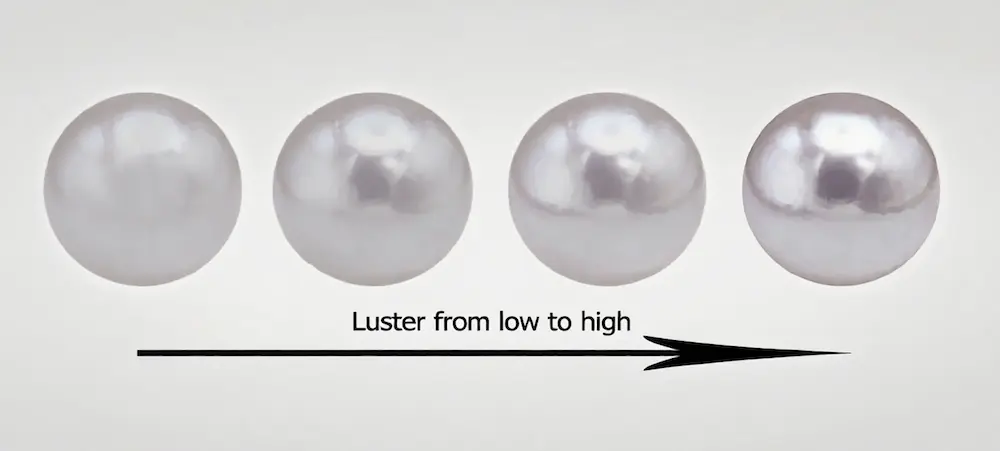
As a rule, a pearl's quality comes down to these seven characteristics:
- Luster tends to be the headline attribute; it is the source of that signature glow. Fine pearls bounce light crisply, reading bright and mirror-like, while lesser ones come across as flat and almost chalky.
- Surface quality refers to how clean the pearl is: any specks, pits, or bumps? A handful of minor marks is perfectly normal, especially on lower-priced pearls, but large, conspicuous blemishes can drag the value down sharply.
- Shape spans the spectrum from flawlessly round, usually the priciest, to lumpy and irregular, known as baroque, which lends itself beautifully to distinctive one-off designs. And naturally, *size* counts too; the larger the pearl, the higher the cost.
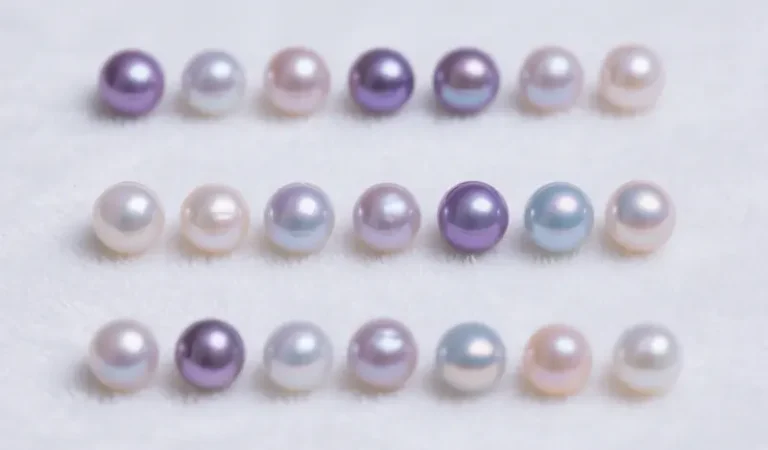
- Color covers both the pearl's dominant body color and the faint secondary tints, or overtones, layered over it. Whites and creams never go out of style, yet colored pearls such as black Tahitians or golden South Seas can be tremendously valuable in their own right.
Creating Your Quality Standards
Pin down precisely what "quality" will mean for your particular business, then hold that line. Will you deal only in top-tier pearls, or offer tiered grades that let you hit several price points? Settle the question deliberately and apply the answer consistently.
Put your wholesale pearls quality standards in writing, plainly and specifically. From there, train your staff and anyone you partner with to recognize the differences between grades. That kind of consistency is what earns customer trust and cements your brand's reputation for delivering the same caliber every single time.
Step 4: Design Your Product Line
With your customers understood and your wholesale pearls suppliers in place, you are ready to design that first collection. Resist the urge to make everything at once; open with a tight, deliberate lineup instead.
Keep the "80/20 rule" in mind: roughly 80% of your revenue tends to come from just 20% of your products. Pinpoint and perfect that vital 20% first, then branch out into specialty items once it is dialed in.
Your opening collection might span a few different jewelry categories:
- Classic staples: understated pearl necklaces and simple earrings with broad, everyday appeal.
- Statement pieces: bold, singular designs that showcase your aesthetic and can carry a higher price.
- Occasion wear: pieces made for milestones such as weddings, graduations, or even the workday.
- Trendy pieces: of-the-moment styles that fashion-minded shoppers gravitate toward.
Working with Pearl Strands
Wholesale pearls typically arrive as strands of roughly 50 to 60 pearls, the count varying with size. Because of that, getting comfortable working with pearl strands efficiently is central to holding costs down and keeping your inventory in order.
Map out the purpose of every strand in advance. You might grade sizes across a necklace so it swells toward the center, or split a single strand to yield a matching necklace-and-earring set. Planning at this level trims waste and squeezes the most profit from each strand you bring in.
Step 5: Set Up Your Business Operations
So you know your product, wholesale pearls, and you know where to get it. Now comes the necessary if less glamorous administrative groundwork. It rarely rivals the fun of designing jewelry, but handling these tasks properly is what keeps the business both legal and well run.
Check with your local authorities to learn which permits apply, since registration and licensing rules differ from one jurisdiction to the next. Nearly every jewelry operation needs at least a basic business license, and selling in a physical shop or online can trigger additional permits on top of that.
For a jewelry business, insurance is far from optional. Coverage worth weighing includes:
- General liability
- Product liability
- Inventory (theft and damage)
- Business interruption
As things grow, you will want a solid system for tracking stock. Even a straightforward spreadsheet beats relying on memory. Accurate inventory records keep you from overselling pieces you no longer have or running dry on your best sellers.
Pricing Strategy
The heart of a pricing strategy that holds up over the long haul is balance. Factor in what your pearls from wholesale pearls cost, the value of your own time, and your broader operating expenses, then weigh those against what competitors charge and what your buyers are prepared to spend.
One common shortcut is simply doubling what you paid to arrive at your price, a method known as keystone pricing. It does not fit every case, though. On high-volume items with slim per-unit margins, a lighter markup may serve you better, while genuinely special or made-to-order pieces can usually support a good deal more.
| Cost Component | Typical Percentage of Retail Price |
|---|---|
| Materials (wholesale pearls, findings) | 25-30% |
| Labor (design, assembly, quality control) | 15-20% |
| Overhead (rent, insurance, utilities) | 10-15% |
| Marketing and sales | 10-15% |
| Profit margin | 20-30% |
Step 6: Build Your Brand and Marketing Strategy
In jewelry, how customers perceive your brand rivals the craftsmanship of the pieces themselves. Someone buying pearl jewelry is not merely acquiring an object to wear; they are buying into a feeling and a particular image.
Give real thought to the brand you want to embody, and make sure it maps closely to what your target audience values. Aiming at young working professionals? Your brand might lead with modern, wearable, everyday style. Chasing a high-end, luxury positioning instead? Then lean hard into rarity, uniqueness, and superior craftsmanship.
Digital Marketing for Pearl Jewelry
Nailing your online marketing is essential in jewelry, where shoppers typically research extensively before committing. With pearls in particular, photography has to be exceptional. A pearl's beauty lives in its shine and its silky-smooth surface, so your images must capture both convincingly.
Visual platforms, Instagram and Pinterest above all, can be transformative for selling jewelry. Their image-first nature lets you present your pieces in their best light and help shoppers picture themselves wearing them, whether it is a necklace finishing an outfit or the ideal earrings for a big occasion.
Producing helpful content is one of the surest ways to position yourself as a pearl authority. Blog posts, videos, or even quick social updates that teach people about pearl quality, care, and styling all do the job. That knowledge builds trust and signals that you are the go-to source for anything pearl-related.
Traditional Marketing Approaches
Online reach matters, but do not write off traditional channels, especially when your audience skews older or local. Craft fairs, jewelry shows, and trunk shows still deliver; they let you meet buyers in person, field their questions, and close sales on the spot.
Teaming up with bridal boutiques, clothing shops, or other businesses that complement your brand can widen your reach without heavy ad spend. And never underestimate the pull of strong reviews; plenty of successful pearl jewelry businesses grew almost entirely because delighted customers spread the word.
Step 7: Launch and Scale Your Business
Designs ready, suppliers lined up, marketing plan set. It is time to go, but resist the temptation to go big on day one. Begin with a "soft launch," letting a small circle of friends, family, or local customers sample what you have built. That window lets you iron out kinks and gather feedback before you market in earnest.
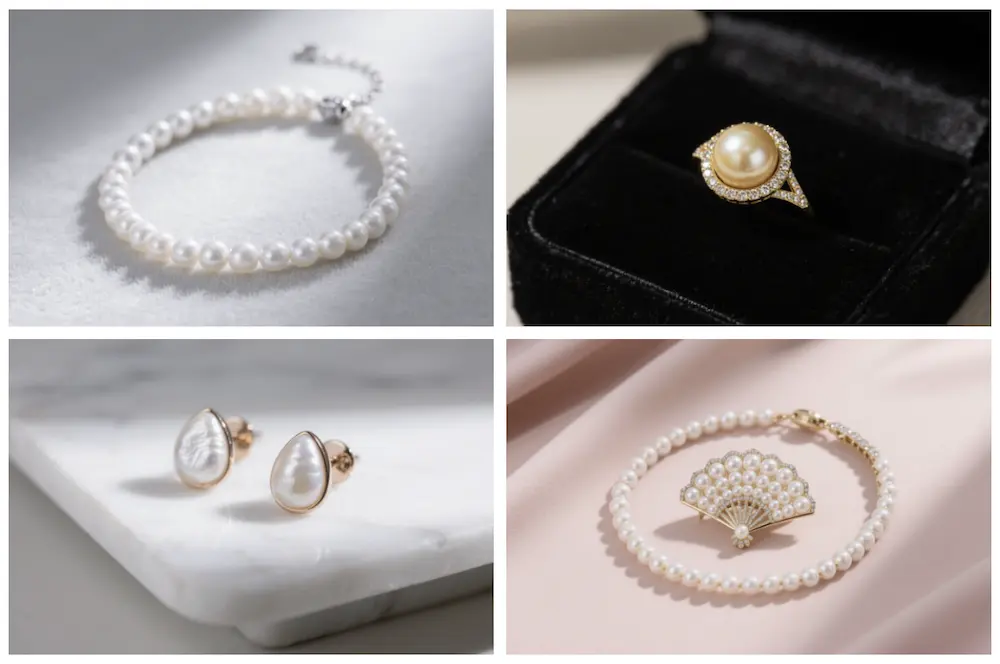
Across those earliest sales, listen closely to what buyers tell you. Are they requesting things you do not carry? Do they raise concerns about construction quality or whether the pricing feels right? Feedback like that is pure gold, sharpening both your jewelry and the business as a whole.
Managing Growth
Growth brings complexity almost by default. Inventory gets harder to track, customer service starts demanding more of your hours, and you may find yourself hiring help or upgrading to better software and systems just to keep everything humming.
Weigh which directions you want that growth to take:
- More products: Are you adding new styles, working with different pearl varieties, or introducing entirely new jewelry categories?
- More customers: Are you courting new audience segments, or expanding into fresh cities or countries?
- More sales channels: Are you opening up wholesale to other retailers, or adding international shipping?
According to the Gemological Institute of America, customers who truly grasp pearl quality and care tend to be far more satisfied and far likelier to buy again. That makes it well worth deepening your own pearl knowledge and then passing it along to buyers; it breeds loyalty and gets people talking about your business.
Financial Management and Scaling
Scaling successfully hinges on disciplined financial management. Keep a close eye on your key metrics:
- Average order value
- Customer acquisition cost
- Customer lifetime value
- Inventory turnover rates
- Gross and net profit margins
Watching these figures helps you judge, with confidence, when and how to put money into growing the business.
Common Challenges and How to Overcome Them
Every pearl jewelry business runs into a familiar set of obstacles. Anticipating them makes each one far easier to steer through.
Quality consistency: Holding pearl quality steady is genuinely difficult, since natural pearls can vary noticeably even within the same stated grade. The answer is partnering closely with trusted suppliers who understand your requirements and putting sound quality-control checks in place.
Seasonal fluctuations: As with most jewelry, pearl sales tend to rise and fall through the year, climbing during spring and summer wedding season and around the holidays. Plan your stock and cash flow around that rhythm, and consider designing special pearl pieces to lift the quieter months.
Competition from mass retailers: Big chains and online marketplaces can undercut you on price and pull customers away. Your strongest counter is to double down on what they cannot easily match: personal attention, custom design, customer education about pearls, and singular pieces that stand apart from mass-produced goods.
Building Customer Loyalty
In jewelry, keeping customers happy and turning them into advocates is enormously valuable. A satisfied buyer may return for anniversary gifts, point engaged friends your way, or trade up to pricier pieces as their income grows.
Outstanding service is the baseline, not the finish line. Keep in touch with past buyers; email newsletters featuring new arrivals, pearl-care tips, or styling ideas keep you top of mind for their next purchase.
Consider launching a loyalty program, perhaps discounts on the next order or early access to new pieces. Programs like these nudge repeat purchases while making customers feel genuinely valued.
Building Long-term Success
A pearl jewelry business can flourish over the long run, provided you stay attentive to quality, customer relationships, and shifts in the market.
Read the trade press, attend jewelry shows when you can, and stay in touch with your suppliers to keep current. The pearl world never sits still; cultivation techniques evolve, new designs emerge, and customer tastes keep moving.
- Continuous education: Both you and your customers gain when you keep learning. Take courses in gemology or jewelry design, attend workshops, or earn certifications that vouch for your expertise. The American Gem Society, among other organizations, runs programs built specifically for jewelry professionals.
- Sustainable business practices: A growing share of customers, younger ones especially, care about sustainability. Explore how your business can back environmentally responsible pearl farming, and make sure your buyers know you share those values.
The Pearl Marketing Association notes that jewelry businesses built around education and quality tend to enjoy happier customers who stay longer and spend more than those competing on price alone.
FAQs
How much money is 1 pearl worth?
It runs the gamut, from roughly $5 for a modest freshwater bead to north of $10k for a flawless 15mm South Sea showpiece.
Are Costco pearls real?
They are; Costco carries authentic cultured pearls, simply at gentler, bulk-driven prices.
Why is mother of pearl so cheap?
Because it is the shell's inner lining rather than a scarce round pearl, supply is abundant and prices stay low.
Why are pearls so cheap now?
China's high-volume freshwater farms have saturated the market, dragging perfectly decent pearls down to drug-store prices.
Conclusion
Sourcing wholesale pearls to launch a jewelry business is a smart move. In a market that prizes beauty, quality, and skilled craftsmanship, you can build something that genuinely earns. Success rests on knowing your buyers intimately, securing high-grade pearls from dependable suppliers, and shaping a brand your ideal customers connect with.
Remember that doing well in pearl jewelry is about more than selling pretty objects. It is also about educating your customers, serving them exceptionally, and cultivating relationships that endure. Every satisfied buyer becomes a walking advertisement, capable of driving still more sales through referrals and repeat business.
The enduring style of pearls, paired with today's expanding marketing toolkit, makes pearl jewelry a compelling opportunity. But it rewards those willing to invest the time and effort in strong relationships, with the people who supply your pearls, with your customers, and across the wider pearl industry.
Whether you envision a small home-based start or a sprawling jewelry brand, the essentials hold steady: offer good products, deliver great service, and truly cherish the beauty and elegance that only pearls provide.
As you set out on this rewarding path, keep in mind that every thriving pearl jewelry business traces back to someone taking that first step. Plan with care, hold to quality, and commit to your customers' happiness, and your wholesale pearls could well be the seed of a profitable, lasting business, one that keeps customers delighted for years to come.
Beginning with high-quality wholesale pearls from dependable pearl suppliers hands you the foundation you need to build a business that lasts.