




Few gems reward a lifetime collection the way freshwater pearls do, pairing lasting beauty with everyday wearability. Their quiet glow has held admirers for centuries, and dollar for dollar they often outshine saltwater pearls in both quality and character. The real question is knowing which ones deserve a place in your collection.
Selecting well comes down to a handful of traits working together: dimension, form, surface smoothness, and the depth of the shine. Whether this is your very first strand or the newest addition to a growing case, the pages ahead are meant to turn guesswork into confident, informed buying.
Understanding Freshwater Pearl Fundamentals
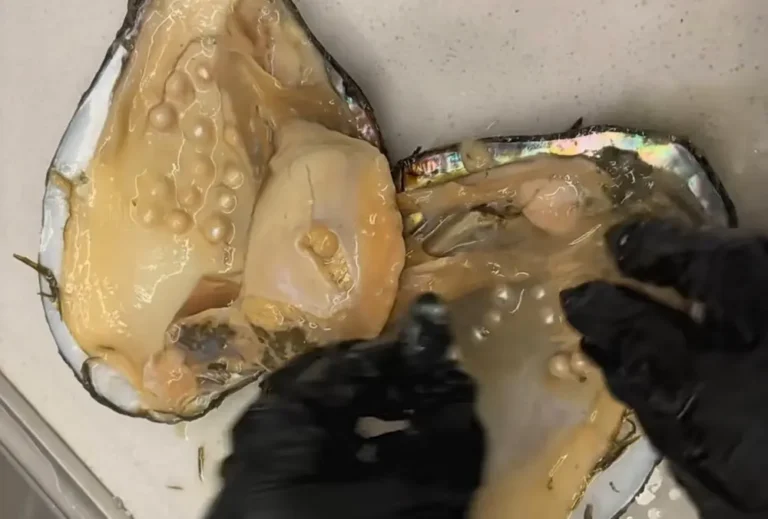
These pearls grow inside mussels living in freshwater habitats such as rivers, ponds, and lakes. China supplies the overwhelming majority of the world's harvest, at more than 95%, with smaller contributions from Japan and the United States. Formation begins once an intruder lodges inside the mussel, prompting it to wrap the object in layer after layer of nacre, the very material responsible for a pearl's luminous surface.
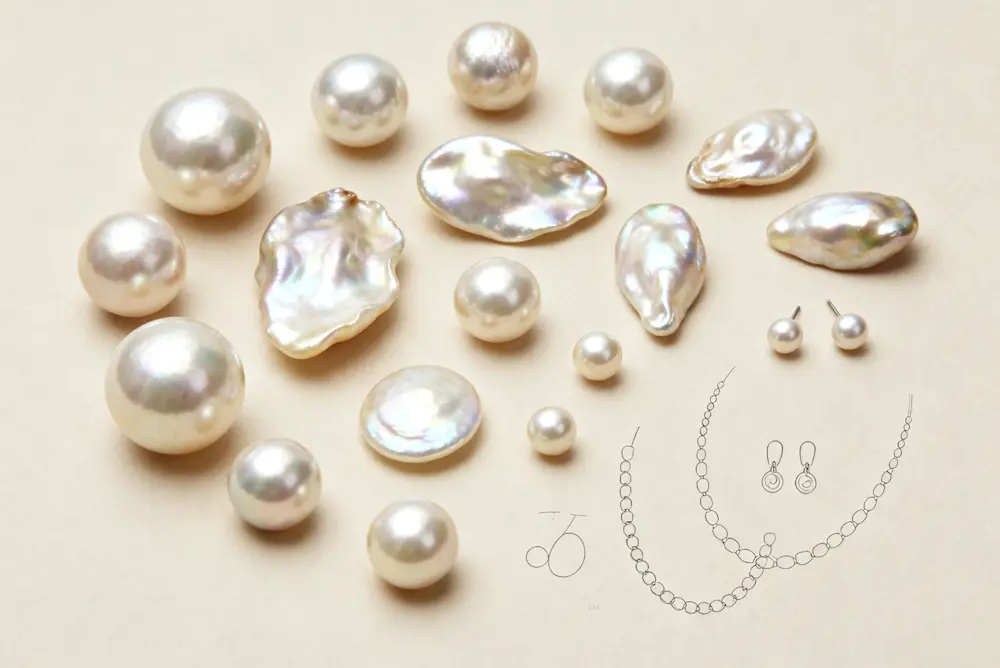
So what sets them apart? Above all, their remarkable diversity of form. Where Akoya pearls tend toward flawless spheres, freshwater varieties embrace irregularity, and for many buyers that is precisely the appeal. Collectors frequently seek out baroque freshwater pearls on purpose, drawn to the one-of-a-kind silhouettes nature hands them.
Cultivation typically spans two to six years. Time works in the pearl's favor here: extended growth builds thicker nacre and a deeper shine, and that added substance is what helps the pearl endure and keep its beauty for decades.
Pearl Formation Process Table
| Stage | Timeline | Development |
|---|---|---|
| Nucleation | 0-3 months | Initial irritant introduction |
| Early Growth | 3-12 months | First nacre layers form |
| Maturation | 1-3 years | Significant size increase |
| Harvest Readiness | 2-6 years | Optimal luster development |
Essential Quality Factors for Freshwater Pearls
Luster: The Heart of Pearl Beauty
More than anything, luster separates a truly fine freshwater pearl from an ordinary one. Top-tier examples carry a near mirror finish, throwing back light with striking clarity. As you inspect a pearl, hunt for reflections that are sharp and clean rather than muted or clouded over.
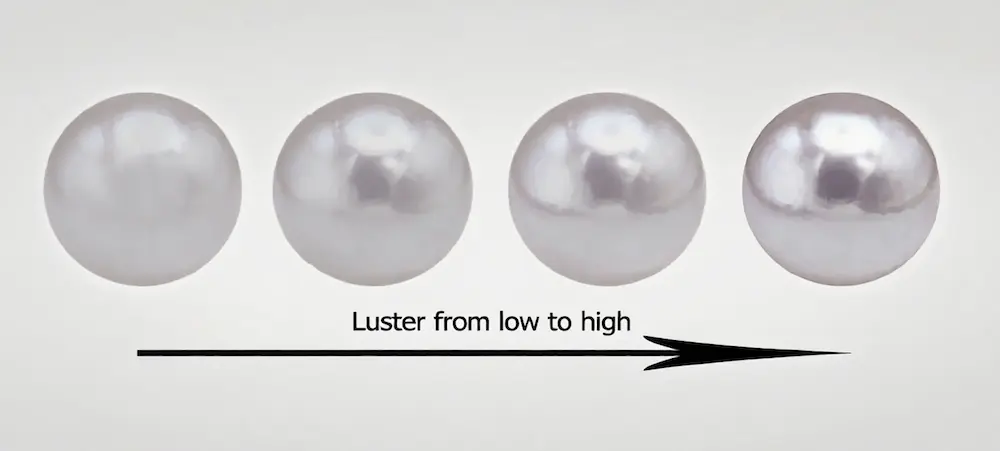
Graders rate luster along a range that runs from poor up to excellent. When it comes to choosing exceptional freshwater pearls, nothing matters more than uniform shape paired with a bright, lively glow. Weak luster reads as chalky and flat, while the finest specimens shine with an almost metallic brilliance.
Bear in mind that light itself can deceive you about a pearl's shine. Warm bulbs tend to mask flaws in the surface, so it pays to view any pearl under several lighting conditions. For the truest read on how lustrous a pearl really is, nothing beats plain natural daylight.
Surface Quality Assessment
A few surface marks are simply part of how pearls come into being. Cultured freshwater pearls are sorted using an adaptation of the Chinese Pearl Grading System, which sorts them into Class I, Class II, Class III, and Class IV based on surface quality, luster, matching, and how perfectly they are shaped.
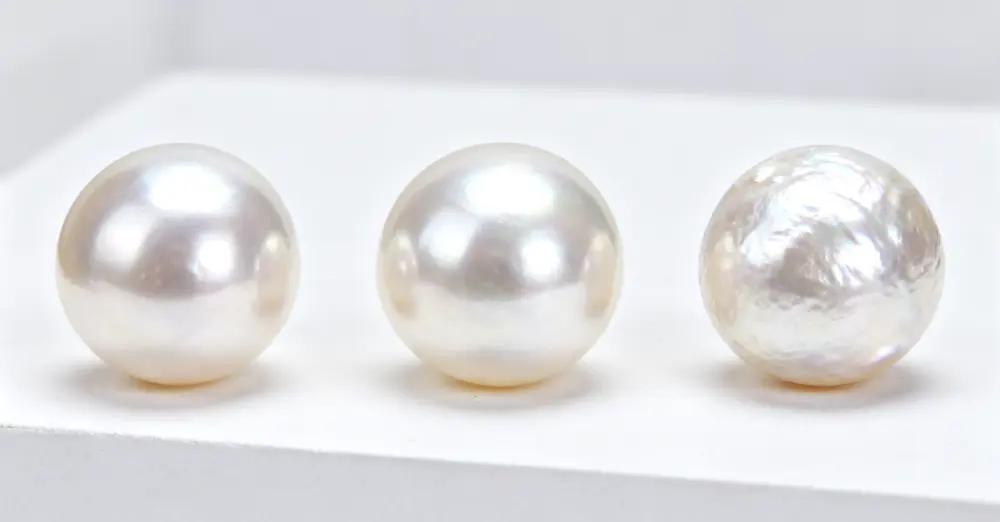
Spotless surfaces fetch top money, yet small flaws frequently vanish from view the moment a pearl is mounted in a setting. Judge the whole impression rather than scrutinizing every speck under magnification. In practice, most fine freshwater pearls present surfaces that are 90-95% clean.
Shape Variations and Preferences
By tradition, perfectly round freshwater pearls carry the steepest prices. Modern jewelry design, however, increasingly champions the alternatives. Near-round pearls deliver terrific value while keeping that timeless look, and oval, button, and drop forms lend themselves to bold, eye-catching pieces.
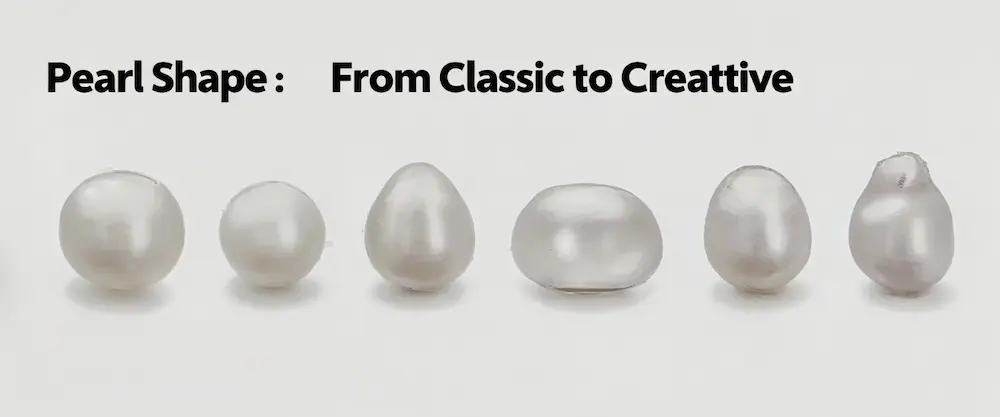
Baroque freshwater pearls deserve a second glance in their own right. Their irregular, unrepeatable contours give them a personality no uniform pearl can match. Plenty of designers gravitate to them, prizing both the natural artistry and the creative freedom those shapes invite.
Sizing Your Perfect Freshwater Pearls
Standard Size Ranges
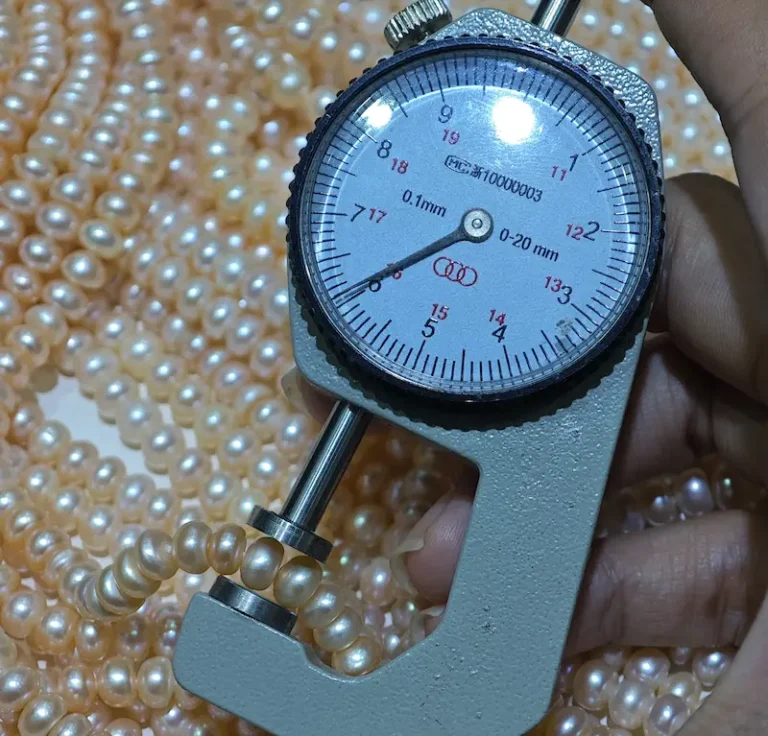
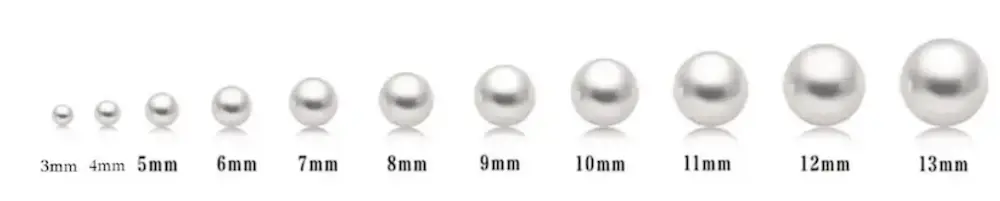
Sizing is expressed in roughly one-millimeter steps, so a strand might be labeled 7.0-8.0mm, for instance. For necklaces, the 7 to 8 millimeter band remains the runaway favorite, striking a balance that looks refined without shouting for attention.
Want something more understated, or a piece suited to a younger wearer? Smaller pearls in the 5.0-6.5mm range fit the bill nicely. Go the other direction with larger pearls of 9.0-12.0mm and you get real presence, ideal for milestone occasions. Let your personal taste and the pearl's intended use guide the size you settle on.
Size Impact on Jewelry Design
Each category of jewelry has its own sweet spot for size:
- Earrings: A 6.0-8.0mm pearl feels comfortable on the ear while still reading as elegant. Step much larger and the weight can grow tiresome over a long day.
- Necklaces: The 7.0-8.0mm range delivers those classic proportions. Graduated strands add movement to the eye by stepping sizes from 6.0mm up to 9.0mm.
- Bracelets: Reach for smaller pearls around 6.0-7.0mm, which flex and sit more comfortably as the wrist moves.
Grading Systems and Quality Standards
Understanding Pearl Grades
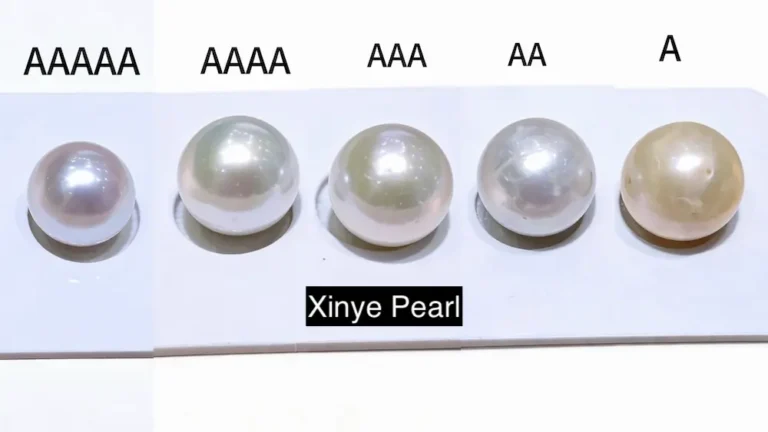
Cultured freshwater pearls are commonly judged on the A through AAAAA scale. AAAAA marks the very finest tier, with quality descending step by step down to A. Having this shared vocabulary lets everyone across the trade discuss quality on the same terms.
Just remember that not every seller grades the same way. Some rely on an A to AAA scale, others on numeric systems. A handy rule when comparing across sources: mentally drop any "A" past the third one, along with any plus signs. Under that logic, AAAAA generally lines up with AAA, and AA+ usually equates to AA.
Lean on the concrete quality traits rather than trusting the grade alone. Two pearls wearing identical grades can still look quite different in the hand.
Quality Indicators Checklist
As you evaluate freshwater pearls, keep an eye on these points:
- Luster depth: Does light seem to sink into the surface before it returns to you? Aim for a glow that feels deep and full rather than surface-thin.
- Surface cleanliness: Are blemishes few and evenly scattered? Steer clear of any pearl that looks heavily marked.
- Shape consistency: On a strand, do the pearls read as a matched set? Absolute perfection isn't required, but they should stay reasonably close to one another.
- Color uniformity: Does one even tone carry across the whole strand? Minor variation is perfectly fine, so long as the overall hue holds together.
- Nacre thickness: Do the pearls feel solid and built to last? Generous nacre translates directly into a more durable pearl.
Color Options and Selection
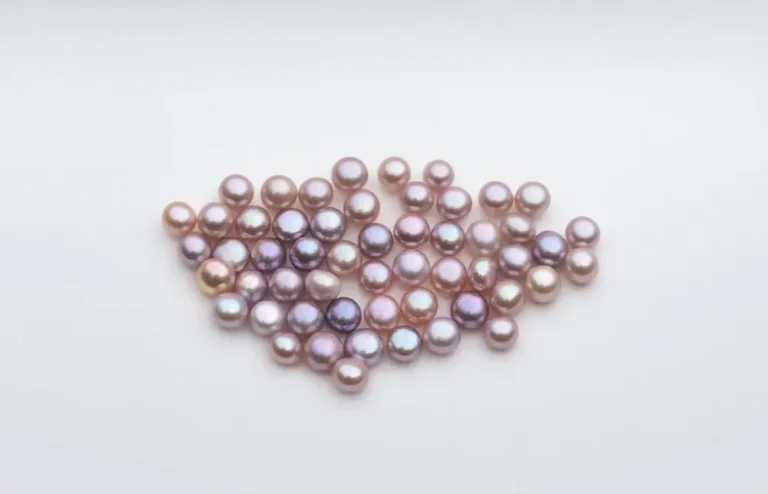
One more treat: freshwater pearls arrive in a genuinely lovely spread of colors. Nature offers them in white, cream, pink, peach, lavender, and even golden tones. Which shade appears depends on the species of mollusk involved and the waters in which the pearl matured.
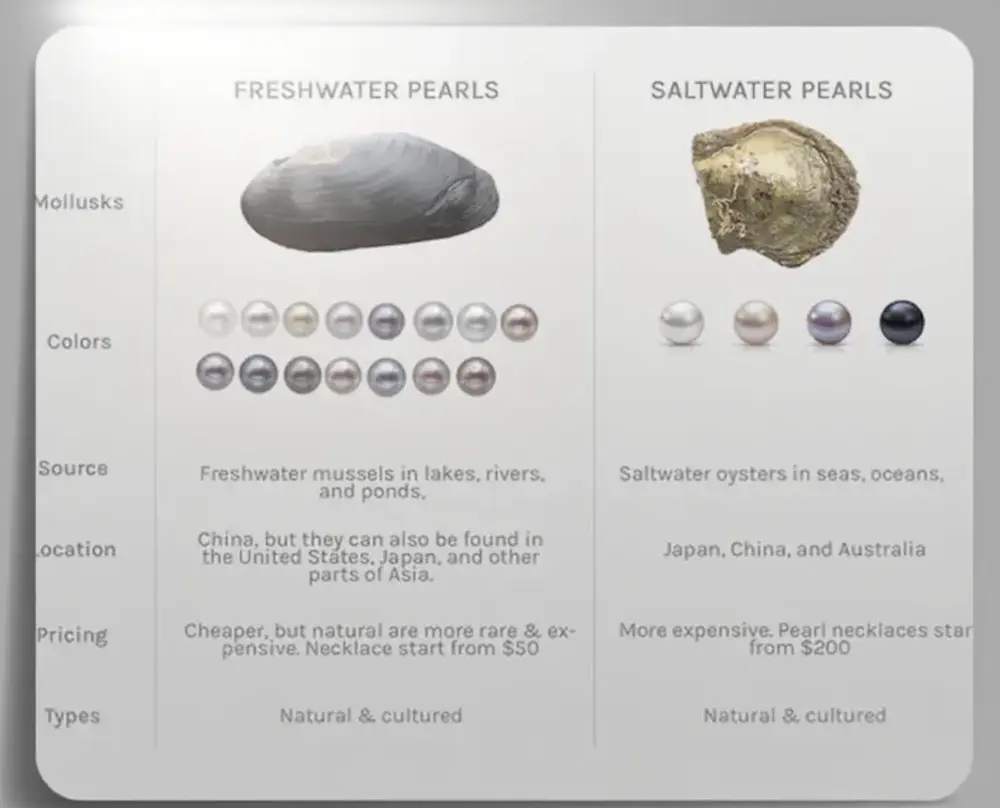
White and cream never miss, pairing with anything and flattering every complexion. Pink lends a warm, feminine note, peach carries a quiet sophistication, and lavender feels a touch more distinctive and current.
Dyeing opens the palette far wider. Careful color treatments make deep blues, vivid greens, and rich blacks possible. Lovely as these are, dyed pearls usually sit at a lower price point than their naturally colored counterparts.
Building Your Freshwater Pearl Collection
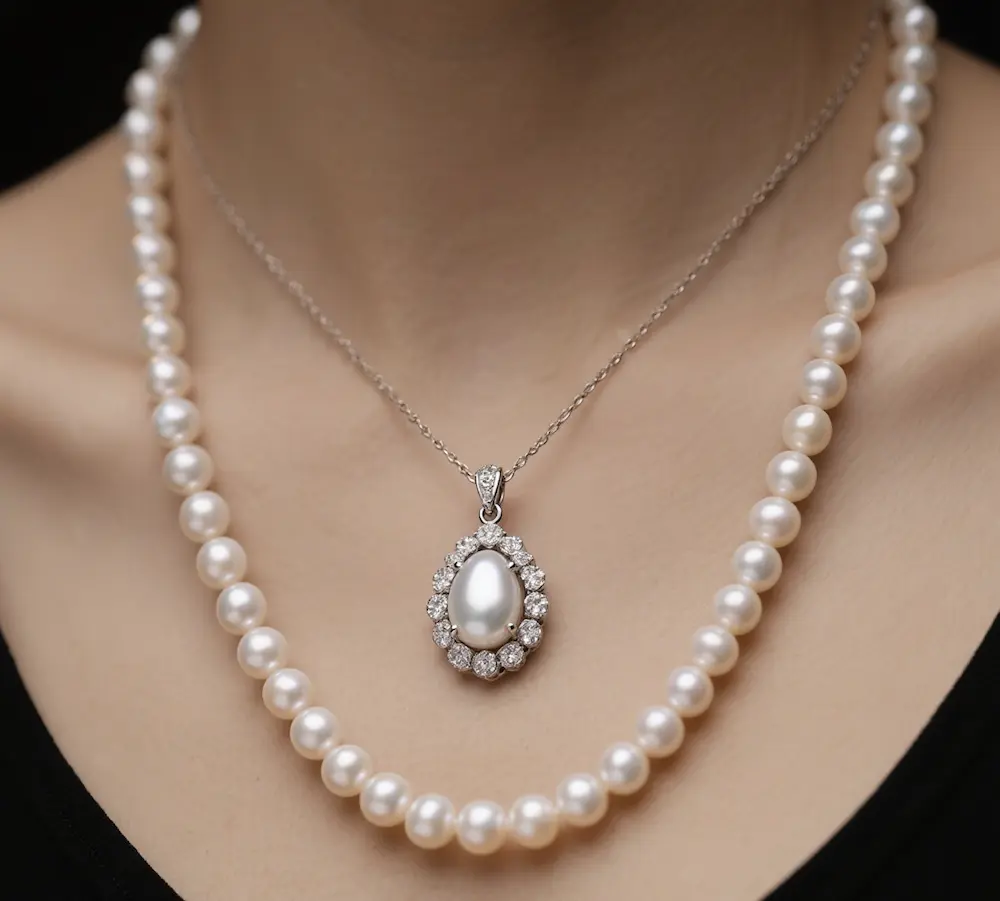
Essential Starter Pieces
Start with core pieces that stretch the furthest across your wardrobe. A classic freshwater strand in 7.0-8.0mm makes the ideal anchor, moving effortlessly from a daytime meeting to an evening out.
Pearl stud earrings pair with nearly anything you put on. Match them to your necklace size for a seamlessly coordinated look. Ask around and you'll find many enthusiasts reach for their studs more often than any other pearl piece.
Round out the traditional trio with a pearl bracelet. Sized to match your necklace or dropped a touch smaller for comfort, a bracelet lends a refined finish to whatever you're wearing.
Expanding Beyond Basics
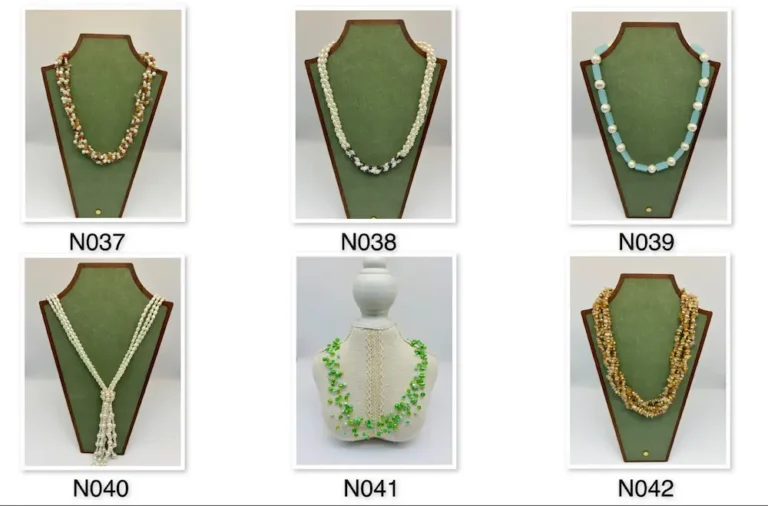
With the essentials in hand, turn your attention to more distinctive additions. Baroque freshwater pearls bring an artistic, conversation-starting edge, while multicolored strands feel playful and adapt easily to relaxed, casual settings.
Opera-length strands, running 28 to 36 inches, make a striking impression when you double them up or tie them in a knot. Pieces like these transform an unremarkable outfit into something with real style.
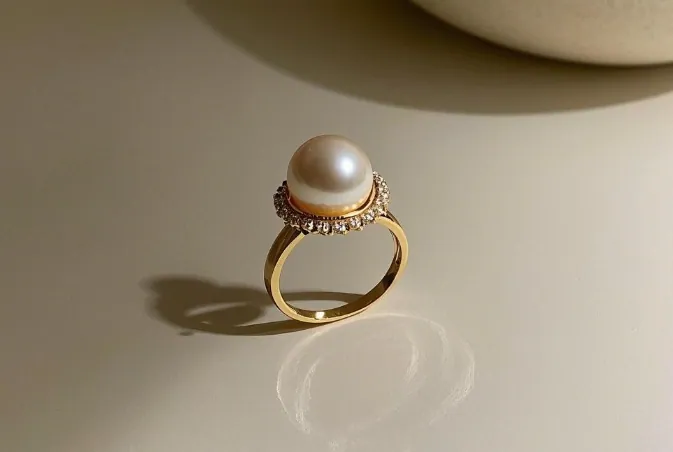
Increasingly, contemporary designers set freshwater pearls against a variety of metals. Rose gold plays beautifully off pearls with a pink cast, while white gold flatters those in cooler tones.
Working with Reputable Pearl Sources
Finding Trustworthy Suppliers
Fine freshwater pearls depend on dependable sourcing. Well-established Pearl Manufacturer companies deliver steady quality and grading you can trust. Before committing to a sizable purchase, dig into a supplier's track record and read through customer feedback.
Buying wholesale pearls from a pearl supplier rather than a conventional shop can often stretch your money further. Even so, before you commit to a larger lot, make sure you fully grasp how they grade and what their return policy covers, in case the pearls don't meet your expectations.
Favor sellers who share clear, detailed photographs alongside candid descriptions. Trustworthy dealers are happy to field technical questions and to point you toward useful learning resources.
Certification and Authentication
Genuine freshwater pearls ought to arrive with some form of documentation. While no law demands it, a conscientious seller will supply a grading certificate or a written statement vouching for authenticity.
Treat with caution any seller spinning wild tales about a pearl's origin or treatment. Authentic freshwater pearls need no elaborate marketing language to move, because their natural beauty makes the case on its own.
Investment Considerations and Value
Understanding Pearl Market Dynamics
Freshwater pearl prices swing considerably with supply, demand, and quality. Because China accounts for the bulk of production, political and economic developments in that region can ripple through pricing as well.
If holding value matters to you, aim for the higher grades. AAAAA strands, sitting at the top of the scale, tend to keep their worth or even appreciate over time, especially when the pearls run large.
Regard pearls as a pleasure to be enjoyed rather than a money-making scheme. They are gorgeous, and quality strands can hold their value, but jewelry as a category rarely produces the sort of returns you might see from stocks or property.
Care and Maintenance for Longevity
Give your freshwater pearls proper care and they will keep their value far longer. Store them on their own, away from harder-stoned jewelry that could leave scratches. A soft pouch or a fabric-lined box makes the perfect resting place.
Once you've worn them, give the pearls a gentle wipe with a slightly damp cloth. Steer clear of harsh chemicals as well as ultrasonic and steam cleaners, all of which can harm the pearl's delicate outer surface.
Have the strand professionally restrung every couple of years. The silk cord tends to stretch with age, and a neglected thread can eventually give way. Fresh stringing keeps the piece looking its best and guards against lost pearls.
Styling Tips for Different Occasions
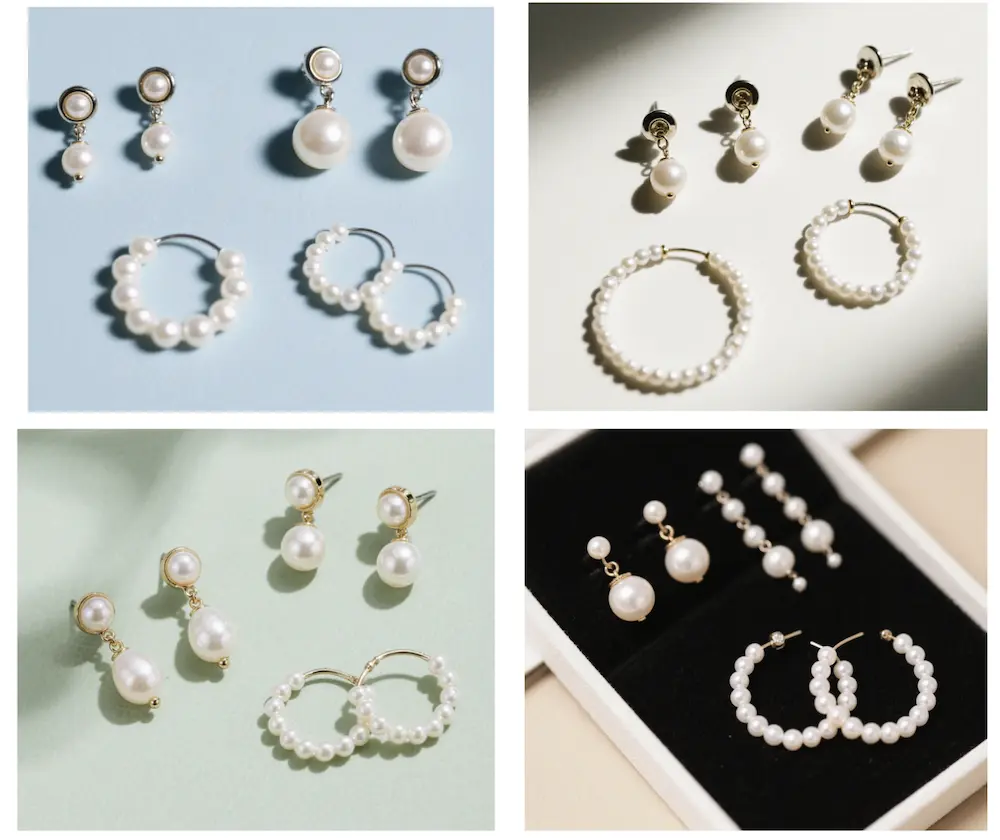
Professional Settings
For the workplace, lean toward freshwater pearls that read classic and restrained. A single strand of white or cream pearls in the 7.0 to 8.0mm range strikes an elegant note without ever looking flashy.
Pair pearl studs with a sharply tailored blazer and you land a genuinely polished, professional look. Skip oversized pearls or unusual shapes, which can feel out of place in more buttoned-up offices.
Social Events and Celebrations
Evenings out open the door to more dramatic choices. Longer strands, baroque forms, or freshwater pearls in color all make a bold statement.
For added sophistication, layer several strands at varying lengths. To keep the eye engaged, mix a range of sizes drawn from the same color family.
Contemporary Casual Wear
Pearls are turning up in wonderfully unexpected corners of today's fashion. A lone baroque pendant, prized for its offbeat shape, can look terrific over a laid-back outfit. For something fresh and modern, try setting pearls against leather, denim, or industrial metals.
Where a younger audience is concerned, we find that petite freshwater pearls set into playful, creative designs sell best. A slender chain scattered with tiny pearls reads as effortless and understated, which is exactly the minimalist look this group reaches for.
Matching Freshwater Pearls to Different Age Groups
Choices for Younger Wearers
Teens and younger adults tend to be better served by more modest freshwater pearls in the 5.0-6.5mm range, which sit comfortably on the frame without feeling too heavy or too grown-up for the wearer.
What really wins over this demographic is contemporary styling. Pairing pearls with mixed metals, or threading them along a chain, gives a piece the fresh, current feel that fashion-forward buyers gravitate toward.
Seasoned Collectors
Enthusiasts who have studied pearls closely usually gravitate toward the exceptional and the unusual. For a discerning eye, nothing satisfies quite like a large, irregular baroque freshwater pearl or one showing an uncommon natural hue.
The most dedicated collectors sometimes reach further still, acquiring historically significant designs or pieces of museum-worthy caliber. Pearls like these tend to become family heirlooms, handed down through the generations.
Seasonal Demand and Trends
Certain pearl looks track the calendar. Spring and summer belong to the softer, brighter freshwater shades, with pink and peach tones sitting beautifully against warm-weather wardrobes.
As the year cools, tastes shift toward deeper, warmer pearl colors. Golden and cream tones echo the earthy palette of autumn, while classic white reads as elegant against the darker clothing of winter.
Wedding season sends pearl demand climbing sharply. Interest from brides tends to peak around June, and that surge can tighten supply and push prices upward.
Cultivation Technology and Modern Methods
Pearl farms today keep refining the way freshwater pearls are grown. Improved techniques for initiating the pearl-forming process are yielding rounder shapes and a noticeably richer luster.
The growing environment is managed with far more precision now as well. Careful attention to water temperature and quality, along with protection from predators, gives each pearl the best possible conditions in which to mature.
Sustainability is also shaping production more and more. Environmentally minded customers increasingly seek out suppliers who commit to eco-friendly practices and fair treatment of their workers.
Conclusion: Arriving at the Right Choice
Choosing the best freshwater pearls for a collection comes down to weighing personal taste against practical realities. Qualities such as luster, surface condition, and shape carry real weight in determining both a pearl's beauty and its value.
Remember that the "perfect" pearl looks different for each person. Your own style, the way you live, and your budget all feed into the decision. Lean on well-regarded sellers, get comfortable with how pearls are graded, and above all choose pearls that genuinely appeal to you.
From a single strand to an ever-growing collection, freshwater pearls never go out of style and adapt to countless ways of wearing them. Naturally lovely yet still attainable, they suit every jewelry lover, whatever their level of experience.
Whenever you get the chance, look at pearls with your own eyes. A photograph rarely conveys the fine gradations of shine and surface that set the finest examples apart. The right freshwater pearls are out there waiting, and you now have what you need to track them down.
Whether you begin with one simple strand or assemble a wide-ranging collection, freshwater pearls deliver lasting elegance and striking versatility. Their natural appeal paired with reachable pricing makes them a fit for jewelry lovers at any stage.
Wherever possible, set aside time to inspect pearls firsthand. No photograph fully renders the subtle play of luster and surface texture that marks out truly fine specimens. Your ideal freshwater pearls await discovery, and this knowledge equips you to find them.