



Ever paused to think about where the lustrous pearls strung across a necklace actually come from? Ask how long does it take for a pearl to form, and you uncover one of the ocean's quietest marvels. The surprising truth is that a single pearl may need anything from a handful of months to several decades to finish growing, and grasping that range is the key to understanding how long does it take for a pearl to form.
Pearl formation is far more than an isolated event. It is a striking reminder of how tightly ocean life is bound to the passage of time itself, with every wafer-thin layer recording a chapter of the creature's life and growth. Whether you are drawn to fine jewelry, fascinated by marine biology, or simply curious about these treasures of the sea, learning how long a pearl takes to form will reshape the way you see them, and you may find yourself admiring them all the more.
How Natural Pearl Formation Actually Works
Getting to grips with how long does it take for a pearl to form is the first step toward truly valuing these gifts of the ocean.
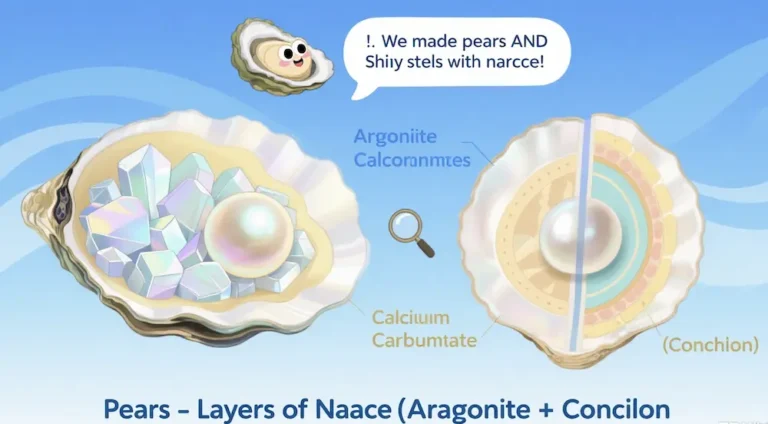
The story begins the moment an intruder, perhaps a grain of sand, a parasite, or a fragment of debris, works its way into the mollusk's soft tissue. This triggers the animal's remarkably refined defense system. In response, the mollusk begins coating the intruder in nacre, a crystalline material built from calcium carbonate platelets bound together with organic proteins.
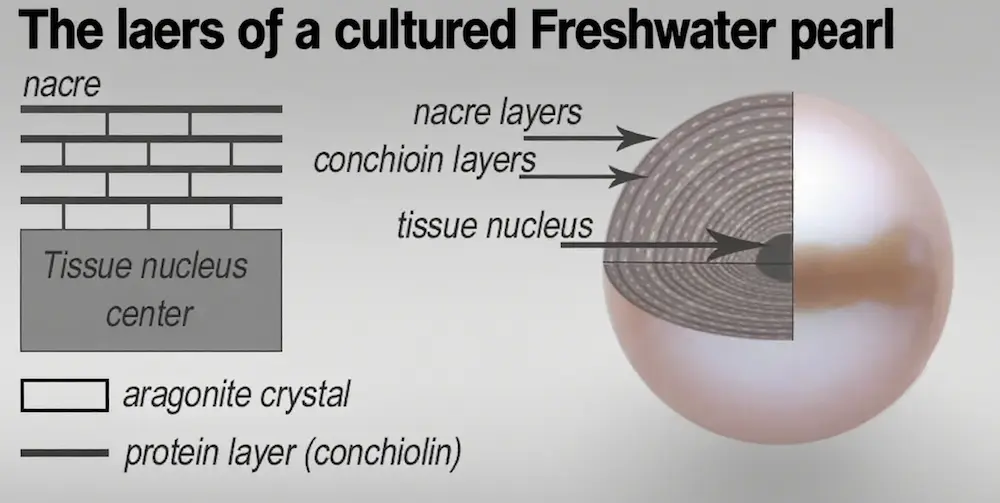
It is precisely this slow coating of the irritant in nacre that governs how long a pearl needs to form. Layer upon layer, each one finer than a strand of hair, settles over the last. The mollusk continues secreting this material throughout its life, patiently transforming that first speck of an irritant into something genuinely beautiful.
Natural pearls come into being along a very different path than cultured ones. Wild mollusks are in no hurry, and their pace hinges on factors such as water temperature, the abundance of food, and their surroundings as a whole. A few natural pearls reach a respectable size within several years, while others depend on decades of slow, unhurried layering. So when someone asks how long does it take for a pearl to form, the answer swings widely, because these untamed conditions can either hasten or delay the process dramatically.
Not every mollusk lays down nacre at the same rate. Saltwater species generally produce a denser, glossier nacre than their freshwater counterparts. That fundamental biological gap shapes both how long a pearl takes to form and the caliber of the finished gem.
| Pearl Type | Formation Time Range | Key Characteristics |
|---|---|---|
| Natural Saltwater | 10-20+ years | Exceptional luster, irregular shapes |
| Natural Freshwater | 5-10 years | Varied colors, often baroque |
| Wild Abalone | 15-25 years | Unique iridescent colors |
The Timeline for Cultured Pearl Development and How Long Does It Take for a Pearl to Form
Contemporary pearl farming has transformed the trade by handing us a measure of control over how fast pearls develop. Farmers deliberately place irritants inside carefully selected mollusks, sharply accelerating the pearl-building process. Because of these methods, when you ask how long does it take for a pearl to form, the answer is now counted in months rather than the years or decades nature would demand.
- Akoya Pearl Timeline: Japanese Akoya pearls typically need roughly 9 to 24 months to develop. These saltwater gems form comparatively fast thanks to favorable growing conditions and attentive breeding work. The controlled setting keeps nacre quality steady and trims away much of the unpredictability in their formation.
- South Sea Pearl Development: These magnificent pearls call for far greater patience. How long does a South Sea pearl take to form? Generally no less than 2 to 3 years. Their extended growth and the distinctive luster it produces are exactly why they command such lofty prices in the jewelry market.
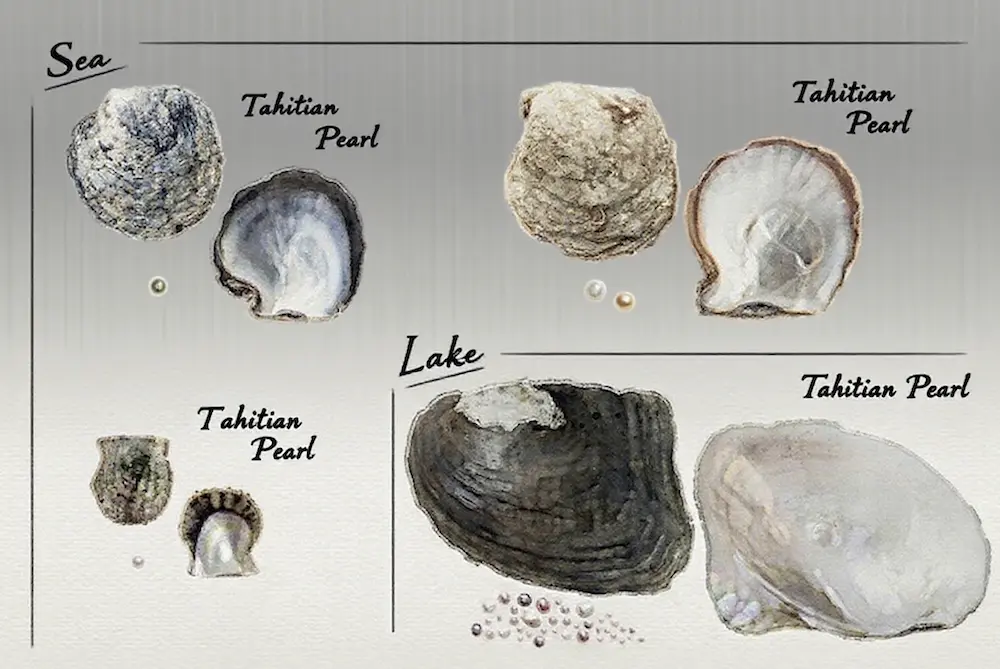
- Tahitian Pearl Formation: The black pearls of French Polynesia grow over roughly the same span as South Sea pearls. The specialized black-lipped oysters take about 18 to 24 months to yield pearls of the right size, though the truly spectacular examples can require upward of 3 years.
- Freshwater Pearl Cultivation: Pearl farms across China are astonishingly efficient at cultivating freshwater pearls. A single oyster can yield several pearls in just 2 to 7 years. Their tissue-nucleated method of starting the pearl lets them produce gems in a wide array of shapes and colors while keeping the growing period fairly short.
Factors Affecting Pearl Formation Speed
Water temperature weighs heavily on how long does it take for a pearl to form. Warmer water lifts the oyster's metabolism, so it lays down nacre layers more quickly. Cooler water stretches the timeline out, yet the pearls that emerge often carry a finer, more radiant glow.
How healthy a mollusk is bears directly on how fast it grows. A well-nourished specimen kept in prime conditions builds its pearl faster than one that is stressed or ailing. To keep their production calendars on track, pearl farmers invest heavily in maintaining flawless growing waters.
The dimensions of the starter bead, or nucleus, weigh heavily on how long a pearl needs to mature. Larger beads call for more coats of nacre to build up to a marketable thickness. Most cultured pearls must carry at least 0.4mm of this coating, and that minimum layer is a decisive factor in the length of the whole undertaking.
| Environmental Factor | Impact on Formation Time | Quality Effect |
|---|---|---|
| Water Temperature (24-28°C) | Optimal speed | Balanced quality |
| Rich Plankton Diet | Accelerated growth | Enhanced luster |
| Clean Water | Normal development | Superior surface |
| Stable Salinity | Consistent progress | Even nacre layers |
Different Pearl Types and Their Formation Periods
Natural vs. Cultured Timeline Comparison
To make sense of how long does it take for a pearl to form, it helps to separate cultured pearls from natural ones. Natural pearls take shape by chance over a long, unpredictable stretch of time. Cultured pearls, by contrast, are raised under managed conditions to make them commercially viable, which means they grow to a deliberate schedule.
Pinning down how long a natural pearl takes to form is genuinely difficult. Some extraordinary specimens recovered from aged oysters reveal half a century or more of growth. Their scarcity, paired with the singular character that only decades of layering can bestow, makes such pearls worth a small fortune.
In a cultured setting, how long a pearl takes to form comes down to the species of oyster or mussel and the outcome the farmer is chasing. They must weigh growing time against market demand, quality expectations, and production costs. A shorter growth cycle yields more pearls of lesser grade, while a longer one raises earnings but also ties up money along the way.
Freshwater vs. Saltwater Development
Freshwater mussels tend to produce pearls faster than saltwater oysters. The lower-salinity water lets them blanket the nucleus more quickly. The pearls that result, however, do not always share the look of their ocean-grown counterparts.
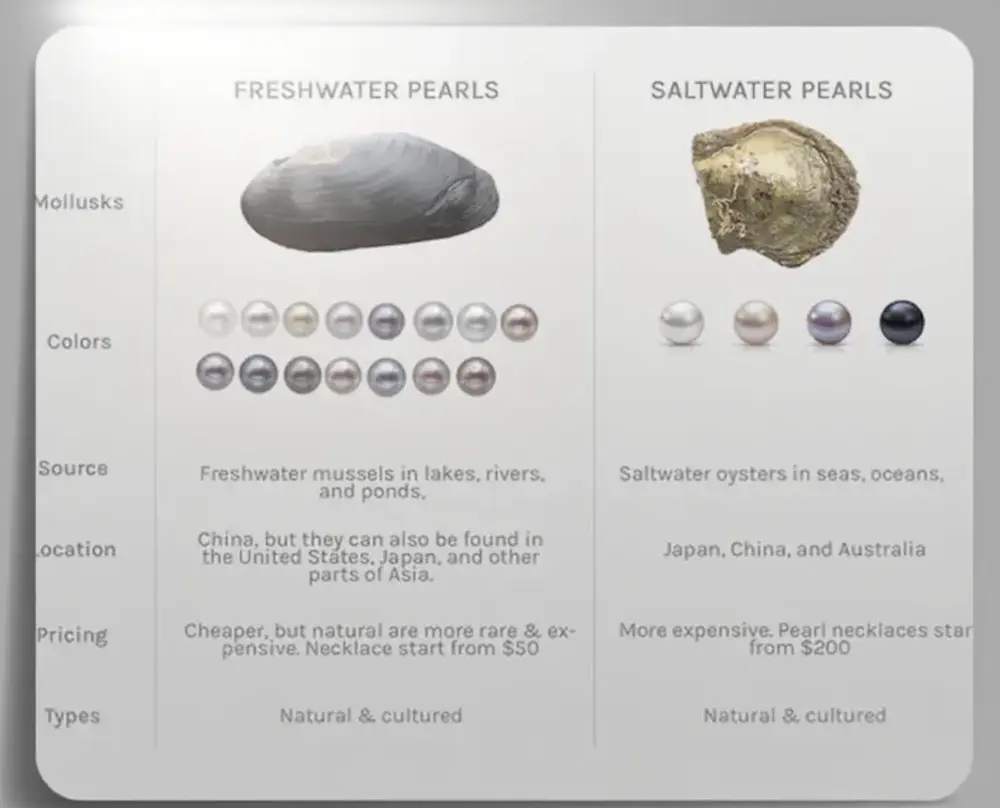
Saltwater pearls, on the other hand, demand a longer wait. The reward is that they usually finish with a finer glow and a more flawlessly round shape. Compounds in seawater help the oyster build a denser, more tightly packed coating, giving these premium pearls the gorgeous, mirror-bright sheen so many people prize.
Look at it this way: freshwater pearls arrive sooner, but saltwater pearls repay the extra patience with greater beauty and lasting quality. That is precisely why slow-growing Tahitian and South Sea pearls carry such steep price tags. You are paying for time and for quality alike.
The Science Behind Pearl Formation Time
Biological Processes Controlling Development
It is the oyster's mantle tissue that truly runs the whole pearl-making operation. Specialized epithelial cells within that tissue release the raw ingredients of nacre and assemble them into a precisely ordered, crystal-like structure. To really appreciate how long does it take for a pearl to form, you have to look closely at how these cells go about their work.
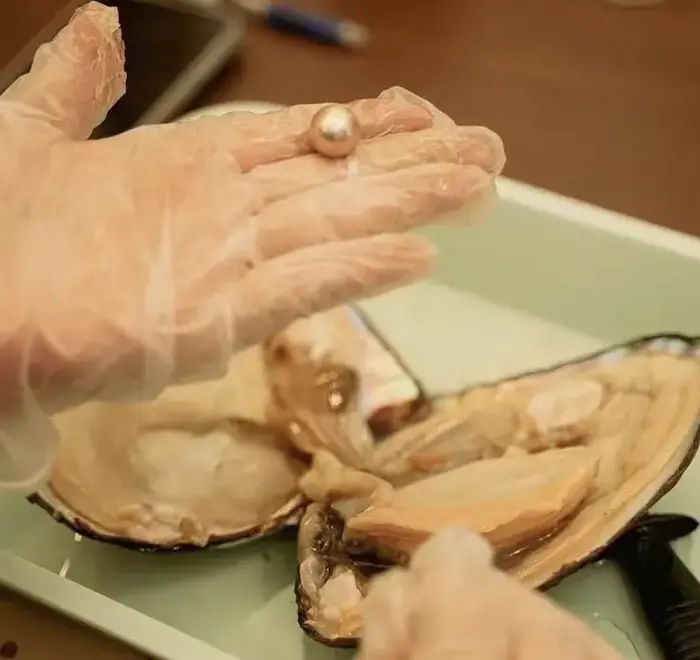
Nacre is composed of roughly 95% aragonite crystals and 5% organic proteins known as conchin. This distinctive blend of materials lends the pearl its toughness, its glow, and its color. The layering unfolds according to strict biological rhythms shaped by the seasons and by circadian cycles.
Studies have shown that the pace at which an oyster deposits nacre can shift over its lifetime. Younger, more vigorous oysters generally build pearls faster than older ones. Farmers mapping out how they cultivate and harvest their pearls would do well to keep this in mind.
Consider just how thin each layer of a pearl is, only about half a micron. Producing a sizeable pearl means stacking a vast number of these minute layers, which is exactly why a fine-quality pearl needs so long to form. The oyster carries out this entire construction with astonishing precision, ranking it among nature's finest feats.
Environmental Impact on Formation Speed
The sea exerts a powerful influence over how long pearls take to grow. Shifting seasons, the oysters' food supply, and the purity of the water can each act directly on how swiftly nacre is produced and how long a pearl needs to reach full size.
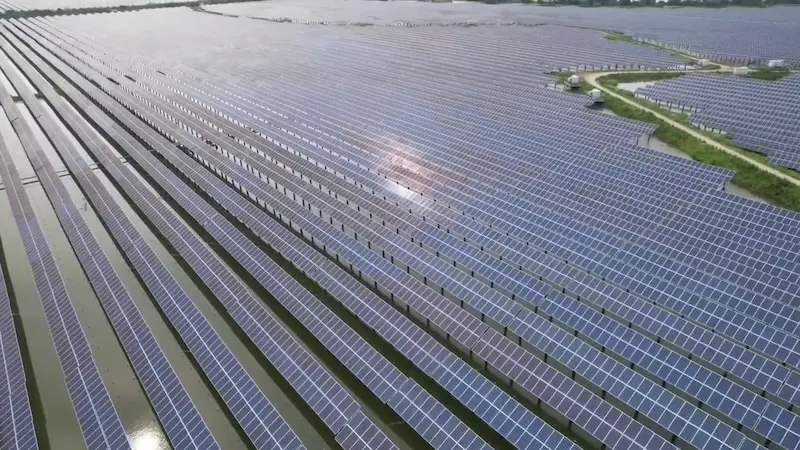
Optimal growing conditions include:
- Water temperatures between 24-28°C (75-82°F)
- An abundant supply of phytoplankton to feed on
- Water kept remarkably free of pollution and sediment
- Stable salinity tuned to the needs of the particular oyster species
- Shelter from predators and from harsh weather
Climate change is genuinely altering how long does it take for a pearl to form. Rising ocean acidity can reduce the calcium carbonate on hand, potentially slowing nacre production. Warmer seas may quicken growth at first, yet they can also place the oysters under enough strain to keep them from developing properly.
| Season | Formation Rate | Quality Impact |
|---|---|---|
| Spring | Accelerated | High luster development |
| Summer | Peak activity | Optimal growth conditions |
| Fall | Moderate pace | Consistent layering |
| Winter | Slowest period | Dense nacre formation |
Factors That Influence Pearl Formation Duration
Species-Specific Variations
Certain oyster species are far more accomplished pearl-makers than others. South Sea pearl oysters, for instance, can grow impressively large pearls on their own, though it takes considerable time. Akoya oysters turn out smaller pearls than South Sea oysters, yet they gleam brilliantly and develop more quickly.
When you start wondering how long does it take for a pearl to form, things grow tangled because so much rides on the oyster's genetics. Some breeding programs have even produced special oyster strains that lay down nacre, the very substance pearls are made of, at a faster clip. The upshot is quicker-growing pearls with no loss in their beauty.
Genetic Factors: Certain mollusk lineages inherit superior pearl-making genes. These specimens reliably grow high-grade pearls faster than the average individual. Farmers are leaning ever more on breeding programs to sharpen both quality and formation speed at once.
Size and Quality Relationships
Put plainly, the larger the pearl you are after, the longer it takes to grow. A 10mm pearl demands far more time than a 7mm one. To push the pearl to a greater size, the oyster must keep piling on countless coats of those gossamer, shimmering nacre layers.
The grade you are aiming for also shapes how long does it take for a pearl to form. Achieving a truly high-quality pearl with a superb glow and a smooth surface calls for more time. Rushing the process simply yields a less lovely result.
Commercial Considerations: Producers have to balance how long a pearl takes to form against what buyers actually want. Extending the growing period costs more, but it delivers those exceptionally valuable, top-grade gems. Understanding the real timeline behind a pearl helps people appreciate why fine pearls carry the prices they do.
The link between size and formation time is not perfectly linear. Growth speed responds to a range of influences, from the surrounding environment to the mollusk's health and the type of nucleus used. Under just the right conditions some large pearls develop surprisingly fast, while others demand years of meticulous cultivation.
Commercial Pearl Farming Timelines
Modern Cultivation Techniques
Today's pearl farms rely on refined, well-timed methods to shorten the road to harvest. The nucleus, sized just right, is introduced into the oyster at the ideal stage of its life cycle. That deliberate precision makes cultivated growth far more manageable than the slow, unaided path pearls follow in the wild.
Farmers keep a constant eye on the water, nudging variables such as feeding, current, and the depth at which the oysters hang so conditions stay favorable for steady growth. This kind of oversight is what lets them estimate how long it will take for a pearl to form.
Technology Integration: A great deal of technology now supports the growing process. Underwater cameras, water-quality sensors, and purpose-built software let farmers monitor every detail, and that data lets them forecast, with real accuracy, how long a pearl needs to mature under a given set of conditions.
Keeping quality consistent means checking the pearls at regular intervals as they develop. These inspections tell farmers when to make an adjustment or when a batch is ready to harvest based on its progress. That hands-on discipline is how our factory secures top-grade pearls while making the most of each crop.
Regional Variations in Production
Local conditions leave their mark on how a pearl turns out. Australian South Sea farms, for instance, benefit from pristine water and near-ideal temperatures, and those advantages yield extraordinary pearls in roughly 2 to 2.5 years.
Japanese Akoya farming reflects generations of accumulated skill. Sheltered, controlled bays paired with selective breeding make a predictable 12-18 month cycle possible without any compromise on quality.
China's strength lies in producing freshwater pearls at scale and with real efficiency. Several pearls can grow inside a single mussel, and with strong growing conditions a 2-4 year cycle stays profitable. That is why high-quality freshwater pearls can be offered at wholesale prices and reach a far wider audience.
Tahitian farmers in French Polynesia work with the black-lipped oyster, which needs somewhere between 1.5 and 3 years to build a truly fine pearl. The clear, unspoiled lagoons suit these mollusks perfectly, but patience is the price of those remarkable Tahitian pearls.
Comparing Natural vs. Cultured Pearl Formation
Time Investment Differences
Nothing tests patience like a natural pearl. Wild oysters and other shellfish form them entirely on their own, a process that can stretch across decades without any human hand. The result is a singular gem with traits that cannot be reproduced. The catch is that there is no way to know in advance how long one will take.
Farming pearls hands you control over the development window, and that control is exactly what makes them viable to sell at a profit. Once you know roughly how long formation takes, you can schedule harvests, manage inventory, and stay aligned with what the market is asking for.
Investment Considerations: Part of what makes natural pearls so costly is the sheer time they demand in the wild, with no one steering the process. The longer it drags on, the scarcer they become, since few survive year after year against everything the ocean throws at them. That rarity pushes their value sharply upward.
Cultured pearls offer a dependable supply that doesn't require decades of waiting. Shoppers can buy beautiful pearl necklaces and other jewelry at a fair price, enjoying everything pearls have to offer without paying the premium that rare natural specimens command.
Quality Differences Over Time
A longer formation period doesn't guarantee a better pearl. Natural pearls may spend years growing, yet the environment can scar them, warp their shape, or leave hidden flaws inside. A cultured pearl, by contrast, can reach very high quality within a fixed window when it's tended properly.
What truly counts is not the length of time but the quality of the conditions. A cultured pearl raised under optimal conditions for just eighteen months can outshine a natural one that battled adversity for decades.
Surface Quality Evolution: Luster builds up gradually as countless layers of nacre are laid down. The quality of each layer, though, hinges on the mollusk's health and its surroundings while that layer forms. In short, steady, favorable conditions produce a finer pearl regardless of how long the pearl takes to form.
Understanding how long a pearl takes to form deepens your respect for the craft behind both natural and cultured varieties. Each one is a distinct blend of time, surroundings, and living process that gives rise to these remarkable gems.
Maximizing Pearl Quality Through Optimal Formation Time
The Sweet Spot for Different Pearl Types
Choosing the right moment to harvest is a balancing act between the finest possible quality and keeping the operation profitable. Akoya pearls generally hit their peak between 12 and 18 months. Beyond that point, extra time adds little to the pearl itself while steadily driving up production cost.
South Sea pearls behave differently. They genuinely improve with a longer run, on the order of 24 to 36 months. The oysters are larger and the water cooler, so they simply need more time to reach the impressive size and luminous shine that set them apart.
Quality Indicators: Graders weigh factors such as nacre thickness, brilliance of luster, smoothness of surface, and roundness of shape, all of which improve as the pearl matures. Reading these cues is how farmers judge the perfect moment to harvest.
Freshwater pearls are a special case, since a single mussel can carry several at once. Harvest too early and quality falls short; wait too long and the mussels grow more likely to die, which hurts the farm over time. Getting the timing right is what captures the best of both.
Environmental Optimization Strategies
Modern pearl farms lean heavily on technology, accelerating growth by managing the environment with care. Water can be held at the right temperature throughout the season, so regardless of the weather outside the pearls develop at a steady pace, which is why, when someone asks, "How Long Does It Take for a Pearl to Form," farms can now answer with striking precision.
They also follow carefully planned feeding schedules so the oysters or mussels receive all the minerals and proteins they require. That nourishment matters because it fuels the production of good nacre, the very substance a pearl is made of. Controlled feeding both speeds the process and yields better-looking pearls.
Depth Management: Where the oysters or mussels are suspended in the water column also counts. The right depth gives them ideal water flow, steady temperatures, and shelter from harsh conditions. That deliberate placement shapes both how fast the pearls grow and how fine they ultimately are.
Special protective measures shield the mollusks from predators, letting them devote their energy to building pearls rather than merely surviving. With less stress, they lay down that beautiful nacre faster and more consistently across the whole growing period.
Genetic research and emerging technology hold the key to faster pearl production down the road. Scientists are studying mollusk genes to pinpoint the ones that govern nacre formation, aiming to breed oysters or mussels that produce pearls more quickly without sacrificing quality.
Pearl farms are also adapting as the ocean itself changes. They're working out how to preserve ideal growing conditions even amid shifting weather. When established pearl-growing regions face environmental strain, these new approaches keep formation times steady, so the question "How Long Does It Take for a Pearl to Form" can still be answered on the same predictable schedule despite changing seas.
Sustainable Practices: Farms are paying closer attention to their environmental footprint. Growing pearls in ways that spare the ocean may lengthen the time each one needs, but it also safeguards the industry's future and reflects genuine stewardship of the environment.
Research is likewise underway into fresh cultivation methods that could shorten the process without eroding quality. Applied in a controlled setting, such techniques could reshape our whole understanding of how pearls are made.
Conclusion: The Time Investment Behind Every Pearl
The question "how long does it take for a pearl to form" points straight to the patience these ocean treasures demand. Whether it's a natural pearl that spends decades forming in the wild or a cultured one raised on a farm within a controlled window, each demands considerable time, real effort, and intricate biological processes to come into being.
Grasping when pearls form only heightens your appreciation for these extraordinary gems. Few other stones marry time, biology, and environmental artistry the way a pearl does, whether it's worn as refined jewelry or kept as a natural curiosity.
Nature needs plenty of time and care to turn an irritant into something lovely, transforming a tiny grain into a glowing pearl. So the next time you catch sight of one, pause to consider how long it took to grow into its own shape and color.
Modern cultivation has made these treasures more attainable while preserving the essential investment of time that defines their quality. The interplay between formation length and the finished gem's character keeps driving innovation across pearl farming worldwide.
If pearl jewelry appeals to you, or you're weighing these enduring gems as an investment, knowing how long they take to form, precisely the question "How Long Does It Take for a Pearl to Form," is genuinely useful. It sharpens your sense of just how rare natural pearls are and how reliably beautiful cultured ones can be. Every pearl carries its own story, told not only through its beauty but through time itself.
FAQs
What is the rarest color for a pearl?
Blue is the rarest of the natural pearl colors, an exceptionally scarce hue that can turn up in types such as Akoya and South Sea pearls. Collectors prize it highly for both its distinctive beauty and its rarity.
Are oysters killed when pearls are removed?
On modern farms, oysters aren't killed on purpose; they're opened with care so the pearl can be removed, and many go on to be seeded again. The procedure can be stressful and occasionally proves fatal, but sustainable farming aims to keep the oyster alive.
How rare is it to find a pearl in an oyster?
Turning up a natural pearl in a wild oyster is exceedingly rare, with figures often placed at roughly 1 in 10,000. Nearly every pearl sold today is cultured, produced by oysters that were deliberately seeded.
How much is a single pearl worth?
What a single pearl is worth ranges enormously, from a few dollars for a small freshwater pearl to thousands for a rare Tahitian or South Sea one. Its value comes down to key traits: type, size, luster, shape, and surface quality.