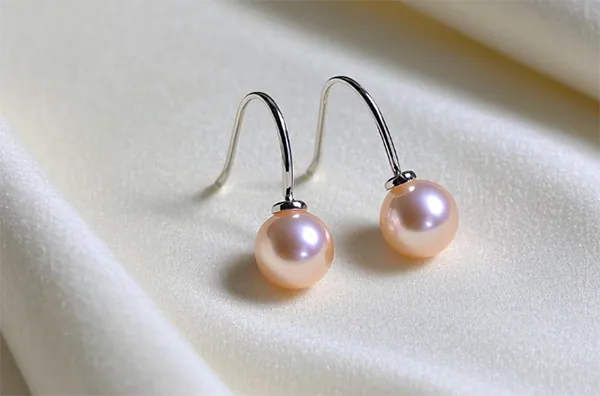




Freshwater pearls typically run from $5 to $2,000, are cultivated in China over roughly 2 to 6 years, and a single mussel can yield anywhere from 1 to 50 pearls. Saltwater varieties, meaning Akoya, South Sea, and Tahitian, range from $250 well past $100,000, with only 1 or 2 forming inside each oyster across a 1 to 5 year cycle. What follows is a full side-by-side breakdown. Grasping how freshwater and saltwater pearls differ helps you pick wisely and can spare you hundreds of dollars at purchase time. Understanding these distinctions turns you into a self-assured buyer, whether you are choosing a first strand or expanding a collection.
At a glance pearls can look bewildering, yet once the core distinctions click into place, deciding between the two families gets far simpler. Let us walk through everything that sets freshwater and saltwater pearls apart.
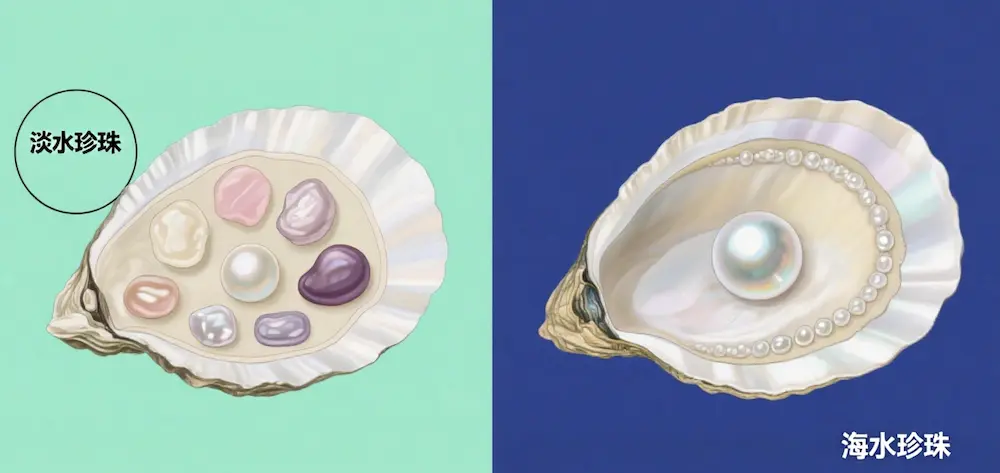
7 Amazing Differences Freshwater vs Saltwater Pearls
Key Pearl Industry Facts
Global pearl market: projected to hit $19.08 billion by 2030 on a 14.18% CAGR (Bainces Consulting, 2025)
- China's dominance: responsible for more than 95% of the world's freshwater pearls, and Zhuji in Zhejiang alone handles 80% of the country's pearl trade volume
- Export surge: Chinese pearl exports climbed 49.85% year over year in January through May of 2025, propelled by Edison pearl innovation and cross-border e-commerce
- Cultivation yield: a lone freshwater mussel can turn out as many as 50 pearls per cycle, against just 1 to 2 from each saltwater oyster
Sources: Bainces Consulting 2025, Zhiyan Consulting 2025, China Customs 2025
1. Origin and Environment
When people weigh freshwater against saltwater pearls, the starting point is provenance. It is mussels living in rivers, lakes, and ponds that create freshwater pearls, and the majority originate in China. They take shape in salt-free freshwater habitats.
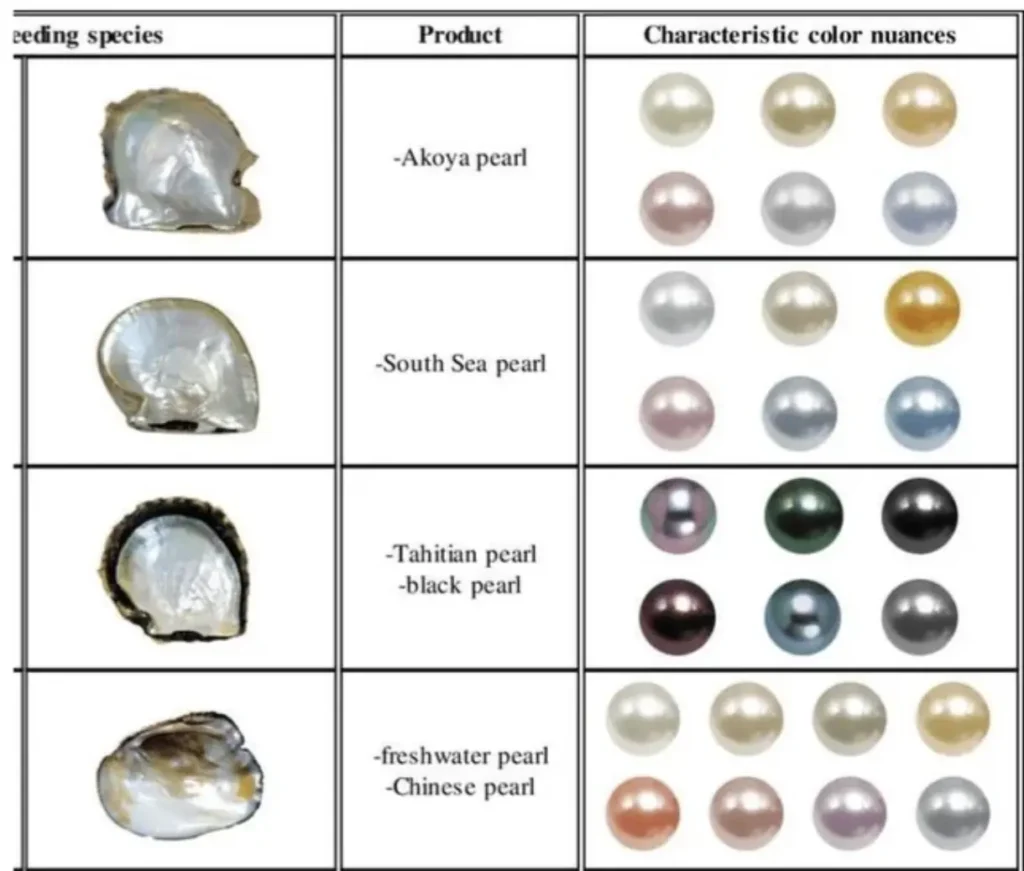
Saltwater pearls follow a different path, developing inside ocean-dwelling oysters, and this is central to telling the two apart. Akoya types are cultivated in Japan and China, South Sea pearls in Australia and Southeast Asia, and Tahitian pearls in French Polynesia. Every saltwater category carries its own distinct character.
Why does provenance matter so much? Where a pearl grows shapes its formation, its appearance, and ultimately its price. A reputable Pearl Manufacturer will always disclose whether the pearls on offer are freshwater or saltwater.
2. The Formation Process: How Environment Shapes Beauty
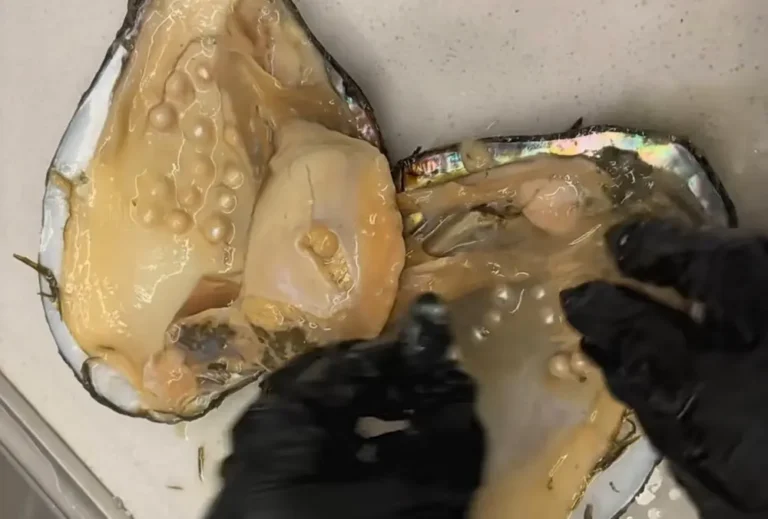
Understanding how each type is cultivated sheds light on the freshwater versus saltwater question. A freshwater mussel can produce as many as 50 pearls in a single season, though maturing them usually takes 2 to 6 years. That generous output is one reason their prices sit lower.
Saltwater oysters operate on entirely different terms. Most manage only 1 to 2 pearls per cycle, and the timeline stretches further, with Akoya taking 1 to 3 years and South Sea sometimes needing up to 5. That scarcity weighs heavily on what buyers pay.
Their growth methods diverge too. Freshwater pearls commonly form around a snippet of implanted tissue with no bead at the center, producing gems that are nearly pure nacre. Saltwater pearls generally build up around a spherical bead nucleus, which explains their rounder profile.
| Pearl Type | Cultivation Time | Pearls per Cycle | Nucleus Type |
|---|---|---|---|
| Freshwater | 2-6 years | Up to 50 | Tissue only + Bead nucleus |
| Saltwater Akoya | 1-3 years | 1-2 | Bead nucleus |
| South Sea | 2-5 years | 1-2 | Bead nucleus |
| Tahitian | 2-3 years | 1-2 | Bead nucleus |
3. Shape and Size: The Visual Differences
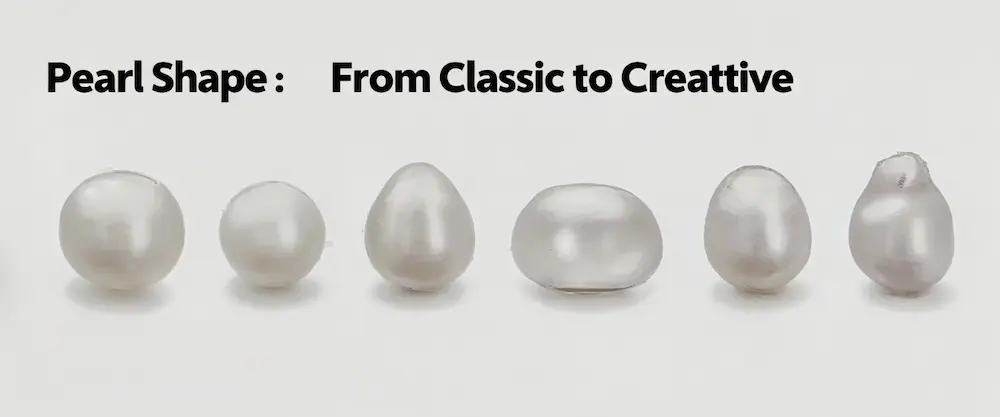
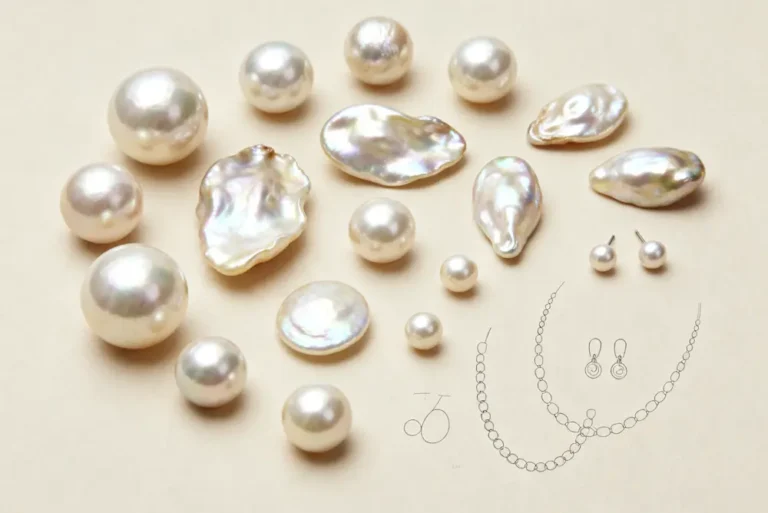
Freshwater pearls appear in a wide spread of forms, from round, oval, and button to baroque and utterly irregular. That diversity is a defining thread in the freshwater versus saltwater comparison, and it traces back to their tissue-only nucleation.
Thanks to their bead core, saltwater pearls lean toward rounder, more uniform shapes. Top-grade saltwater pearl strands highlight that regularity, since every pearl matches the next closely in size and form.
Different Sizes:
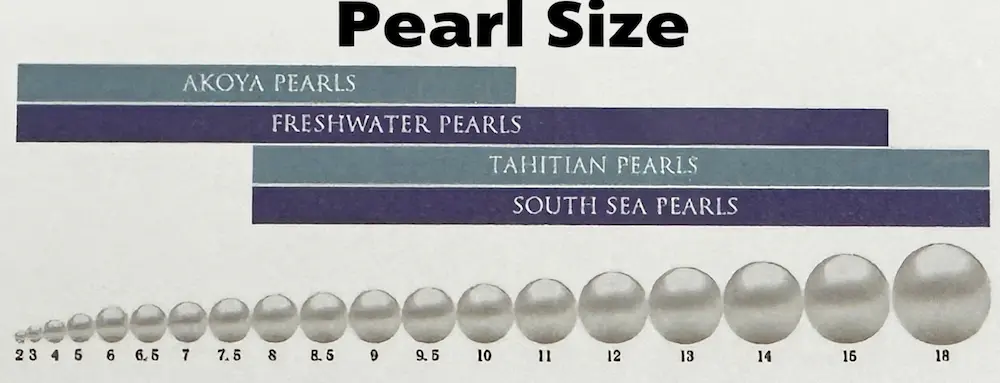
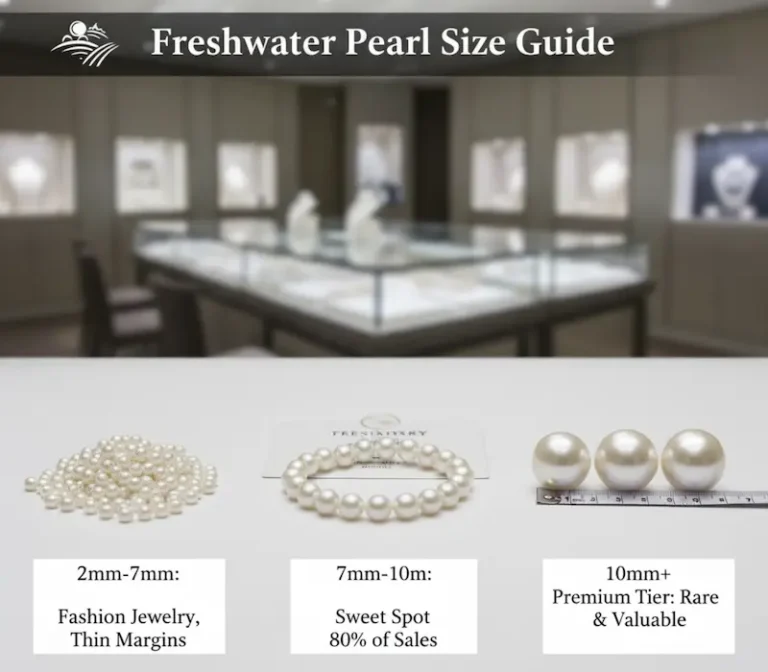
- Freshwater pearls span roughly 2mm to 15mm, with certain baroque forms running larger.
- Akoya saltwater pearls fall between 2mm and 11mm.
- South Sea pearls measure from 8mm to 20mm.
- Tahitian pearls range between 8mm and 18mm.
The imperfect outlines of freshwater pearls are no defect; they are a natural quality that a growing number of jewelry designers now embrace for the modern, organic feel they lend a piece, adding yet another layer to the freshwater versus saltwater conversation.
4. Luster and Surface Quality
How much a pearl commands often tracks with its luster, and that is a defining split in the freshwater versus saltwater discussion. Saltwater pearls, top Akoyas above all, throw off a brilliant, mirror-like glow that makes them unmistakable. That sharp reflection comes from the densely layered nacre that forms in ocean water.
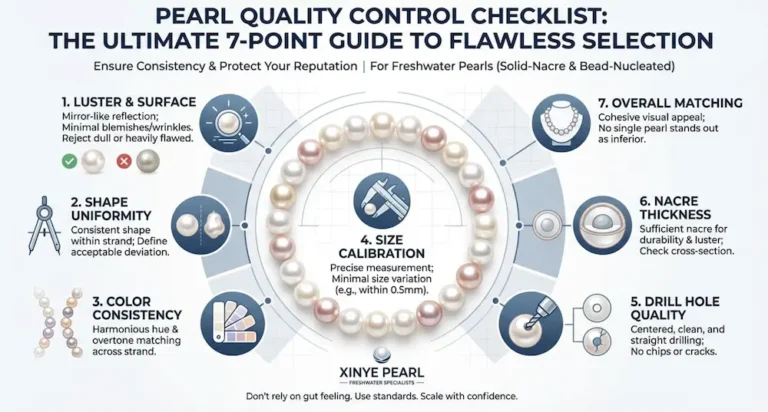
Freshwater pearls give off a gentler, more understated glow. That softer light differs from the crisp fire of saltwater types, yet it holds its own beauty. And the finest freshwater pearls can shine remarkably well, sometimes rivaling saltwater examples. Surface character diverges as well: freshwater pearls may show more surface variation, whereas saltwater pearls tend to present cleaner faces with fewer marks. These traits feed straight into pricing and go a long way toward explaining why the cost of wholesale pearls can swing so widely.
5. Color Variations: Nature's Palette
Color separates freshwater and saltwater pearls sharply, another cornerstone of the freshwater versus saltwater debate. Freshwater pearls arrive in a broad natural range, taking in white, cream, pink, peach, lavender, and even deeper purples. Because these hues occur without any artificial treatment, you get plenty of options to suit your own taste.
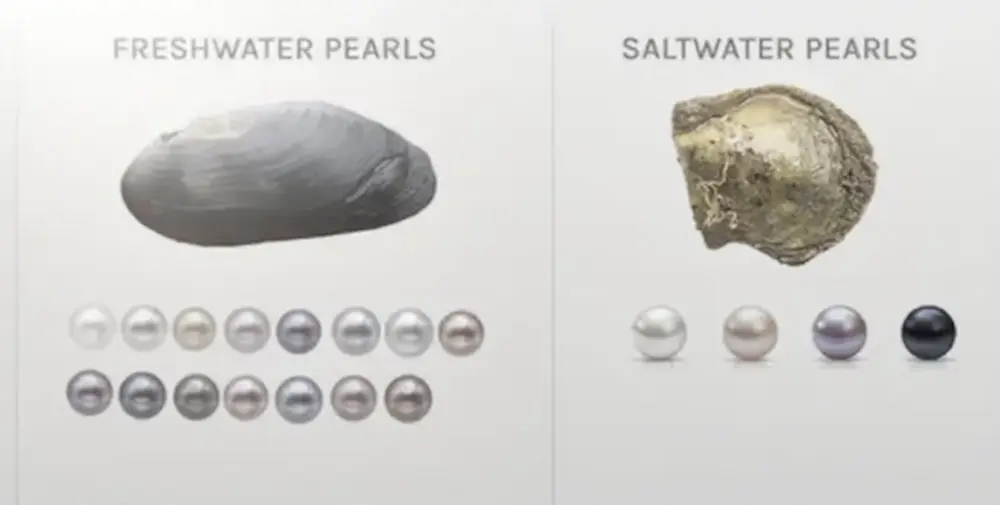
Saltwater pearls carry their own signature palette:
- Akoya pearls skew white, cream, or silver, often with a rose or green overtone.
- South Sea pearls appear in white, cream, champagne, or gold.
- Tahitian pearls lean dark, spanning black, gray, green, blue, and peacock.
The two palettes originate differently. Freshwater color arises from natural pigments in the mussel, while saltwater color depends on the oyster species and the surrounding ocean conditions.
6. Price Comparison: Value for Your Investment
2025 Pearl Pricing Data
| Pearl Type | Typical Price Range (2025) |
|---|---|
| Freshwater pearl strands | $5–$800 |
| Edison pearl (freshwater) & Freshwater AK pearl strands | $50–$0000 |
| Akoya pearl strands | $250–$5,000 |
| South Sea pearl strands | $1,000–$100,000+ |
| Tahitian pearl strands | $500–$25,000 |
The first gap that jumps out when comparing freshwater and saltwater pearls is cost, a pivotal point in the freshwater versus saltwater debate. Freshwater pearls deliver outstanding value. Attractive strands can be had for as little as $50, while genuinely high-end pieces reach around $2,000.
Saltwater pearls carry higher price tags because they are scarce and difficult to cultivate:
- Akoya strands generally land between $250 and $5,000.
- South Sea pearls run anywhere from $1,000 to over $100,000 for the very finest.
- Tahitian pearls, depending on grade, span roughly $500 to $25,000 and beyond.
As the Gemological Institute of America notes, a pearl's price hinges on size, shape, luster, surface smoothness, and color. Matched quality for quality, saltwater pearls tend to outprice freshwater ones simply because they are rarer.
Price Factors Comparison Chart:
| Factor | Freshwater Impact | Saltwater Impact |
|---|---|---|
| Rarity | Lower (high yield) | Higher (limited yield) |
| Size | Moderate impact | Major impact |
| Shape | Less critical | Critical for value |
| Luster | Important | Extremely important |
| Color | Variety adds value | Rare colors premium |
7. Durability and Care
Finally, both kinds ask for comparable upkeep, but durability marks a real difference in the freshwater versus saltwater discussion. Since freshwater pearls are made almost entirely of nacre, the substance behind a pearl's glow and beauty, they generally shrug off everyday wear better. Being solid nacre through and through, they are less prone to chipping or having outer layers flake away.
Saltwater pearls with only a thin nacre coating over an inner bead call for extra caution. That said, saltwater pearls grown with a thick nacre layer can prove every bit as tough as freshwater ones. The trick is buying from dependable sellers who guarantee sufficient nacre depth.
Plenty of shoppers gravitate to freshwater pearls for their resilience and friendly price. Yet when the occasion is special or you intend to hand down an heirloom-grade piece, saltwater pearls are tough to top for their singular beauty and prestige. It is a familiar trade-off in the freshwater versus saltwater debate.
Which Type Should You Choose?
So as you weigh freshwater against saltwater pearls, here is a quick reference to guide you:
Choose freshwater pearls when you want:
- Plenty of choice without a heavy price tag
- A piece suited to daily wear
- Distinctive, gently imperfect shapes
- An assortment of natural colors
- Excellent resistance to everyday wear and tear
Saltwater pearls are the better fit when your priorities are:
- A refined, timeless appearance suited to formal occasions
- A high-value piece with the potential to become a family heirloom
- A deep, mirror-like glow paired with an exact round silhouette
- The look people picture when they think of a classic pearl
- Jewelry that carries prestige and a sense of lineage
In the end, the decision rests on your budget, your lifestyle, and your personal taste. Plenty of pearl enthusiasts keep both kinds on hand and rotate them to suit different outfits and different occasions.
Making Your Pearl Purchase
No matter which side of the freshwater vs saltwater pearls question you land on, always source from a trustworthy seller who can stand behind quality and authenticity. Ask for straightforward answers about the pearl's origin, whether any treatment was applied, and its overall grade.
Examine pearls under strong, direct light so you can judge their glow and spot any surface flaws. There is nothing wrong with holding several types side by side either. Comparing them directly makes the distinctions clearer and gives you real confidence in your final pick.
When you are weighing one pearl against another, the Pearl Society recommends factoring in how you intend to wear them, the price range you have in mind, and the aesthetics you gravitate toward. Keep in mind that freshwater and saltwater pearls are each lovely in their own right and each bring their own strengths.
Understanding how freshwater and saltwater pearls differ pays off whenever you shop for jewelry. Freshwater pearls deliver striking looks at an accessible price, while saltwater pearls carry a more luxurious presence. Whichever you choose, the natural charm of these gems is hard to resist. Both let you appreciate pearl ownership on your own terms, so you can hold onto these enduring gems for years to come.
Real satisfaction comes from knowing exactly what you are buying and selecting pearls that match your needs, your budget, and your style, and that is doubly true when the choice falls between Freshwater vs Saltwater Pearls. With that grounding, you can step into the captivating world of pearl jewelry with full confidence.
FAQs
How can you tell a freshwater pearl from a saltwater pearl?
Freshwater pearls tend to stray from a perfect circle and show off a broader spread of natural hues. Saltwater pearls, by contrast, are usually more uniform in shape and carry a bright, mirror-like reflection.
Is it worth buying freshwater pearls?
Absolutely. Their affordability, durability, and remarkable variety of shapes and colors make freshwater pearls an excellent pick for eye-catching jewelry you can wear every day.
Which pearl is expensive, freshwater or saltwater?
Saltwater pearls typically command higher prices, a reflection of their scarcity, their classic rounded forms, and their deep, concentrated luster.
Are Tahitian pearls freshwater or saltwater?
Tahitian pearls belong to the saltwater category.
How much do freshwater pearls cost?
Freshwater pearls sit at the affordable end of the market. Attractive single strands can be had for as little as $50, while top-tier pieces, Edison pearls in particular, span $500 to $2,000. Loose pearls begin at only a few dollars apiece, which makes them ideal for bulk purchasers and jewelry designers.
How much do saltwater pearls cost?
Because they are scarcer and tougher to cultivate, saltwater pearls carry a much steeper price. Akoya pearls, the classic white variety from Japan, generally fall between $250 and $5,000 per strand. Tahitian pearls, the dark, iridescent kind from French Polynesia, run from $500 to $25,000. South Sea pearls, the biggest and most coveted of all, start around $1,000 and can climb well beyond $100,000 for truly exceptional specimens.
Which pearl is better for everyday wear?
For daily wear, freshwater pearls come out ahead. Being solid nacre right through to the center, they stand up far better to scratches, knocks, and the ordinary rough-and-tumble of everyday life.
How long do pearls last?
Given proper care, pearls can endure for a lifetime, or even be handed down through generations as heirlooms.