




Shopping for pearls today feels like walking through a fog. Two strands that look virtually the same can carry price tags of $100 and $1,000, and the product copy tends to muddy the water instead of clarifying why.
Most of the skill in buying pearls comes down to tuning out the sales chatter. Whether you're chasing a particular look or a lasting store of value, the real task is telling genuine nacre quality apart from a flattering camera angle. Time and again I watch shoppers overpay for ordinary stock because they leaned on a 'discount' headline instead of trusting what was in front of them.
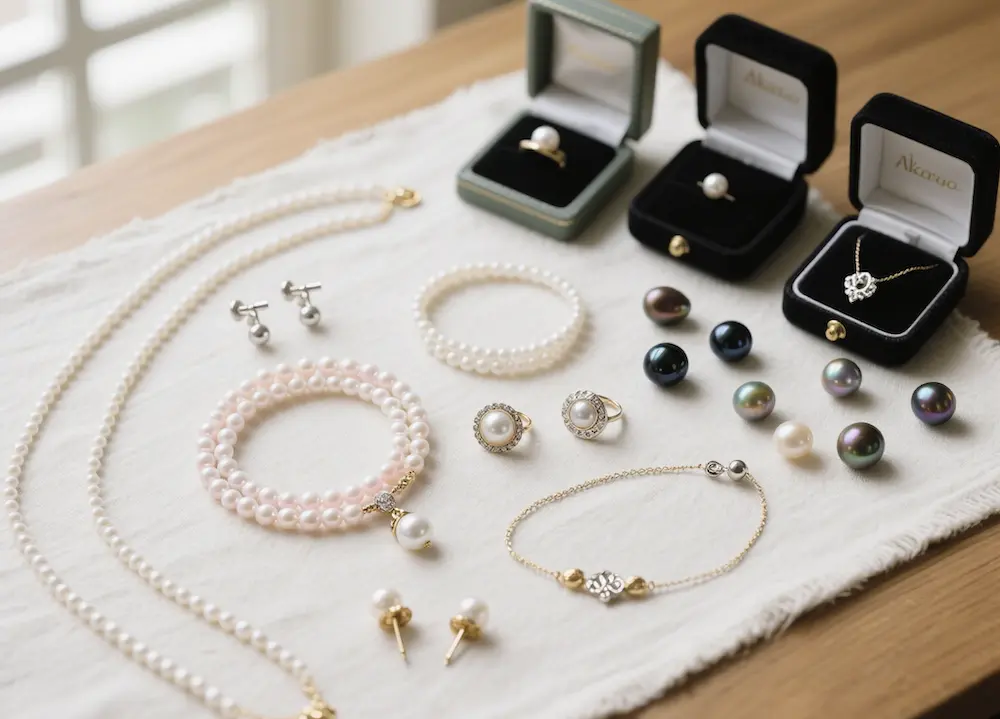
Today's online shelves hold everything from cheap machine-farmed freshwater beads to rare, investment-caliber South Sea gems. That glut is exactly why buying pearls wisely matters: grading rules are elastic and listing photos get retouched all the time. I've watched plenty of buyers pay up for slick presentation rather than true rarity. Telling one from the other starts with getting a handle on the four core categories.
1. Understanding Pearl Types: Your First Step in Smart Shopping
Before diving into how to buy pearls, get familiar with what the market actually offers. Cultured pearls fall into four principal families, and each carries its own signature appearance and price bracket.
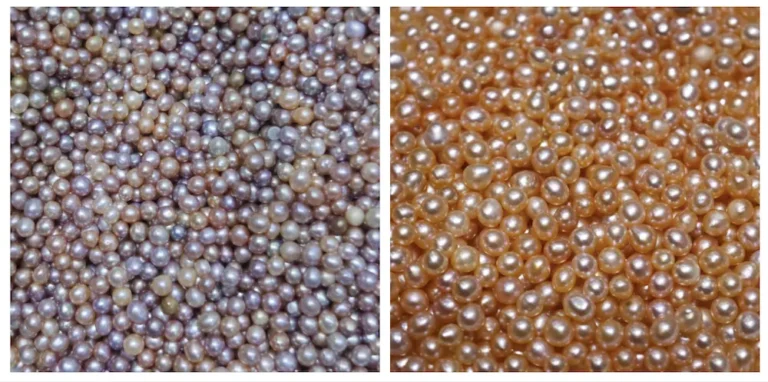
- Freshwater pearls sit at the bottom of the price ladder, which makes them ideal for anyone taking their first steps into pearls. Farmed in the lakes and rivers of China, they arrive in a wide spread of natural hues. The value here is hard to beat—an attractive necklace can be had for under $100—and the shapes range from flawlessly round to boldly irregular.
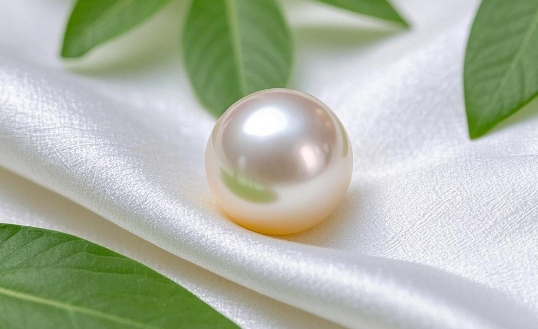
- Akoya pearls are the image that pops into most people's heads when pearls come up. Round, luminous, and typically white or cream with a soft pink overtone, these saltwater gems from Japan set the benchmark for traditional pearl jewelry. They command higher prices than freshwater, but that crisp, mirror-bright glow reads as pure elegance.
- Tahitian pearls are the outliers of the bunch. Despite the name, these striking, offbeat pearls actually come from French Polynesia. Prized for their deep, moody tones—anywhere from smoky charcoal to iridescent peacock green—their colors occur naturally, and that rarity pushes them toward the upper end of the scale.
- South Sea pearls represent the pinnacle of luxury. Reaching as much as 20mm across, these giants need years to build their gentle, understated glow. They're routinely dubbed the 'Rolls Royce' of pearls for their sheer opulence, and they grow inside the largest pearl-producing oysters of all.
| Pearl Type | Size Range | Price Range | Best For |
|---|---|---|---|
| Freshwater | 6-12mm | $50-$800 | First-time shoppers, day-to-day wear |
| Akoya | 6-10mm | $300-$3,000 | Timeless elegance, special occasions |
| Tahitian | 8-15mm | $500-$5,000 | Bold fashion statements |
| South Sea | 10-20mm | $1,000-$15,000+ | Luxury investments |
Prices on these pearls are frequently better when you deal directly with a reputable pearl manufacturer rather than picking them up through ordinary retail shops.
2. The 7 Quality Factors: How to Buy Pearls Like a Pro
If buying pearls is new territory for you, learning how they're graded is essential. Specialists weigh seven key attributes when judging a pearl's quality, and understanding them makes it far easier to tell whether the deal in front of you is a fair one.
Luster: The Heart and Soul of Every Pearl
Luster tops the list of things to examine in any pearl, and it's a make-or-break factor when you're learning how to buy pearls. This is the vivid, mirror-like glow that gives pearls their magic. A truly fine pearl bounces light back so cleanly that you can almost catch your own reflection in it. Where luster is weak, the pearl simply looks flat and lifeless.
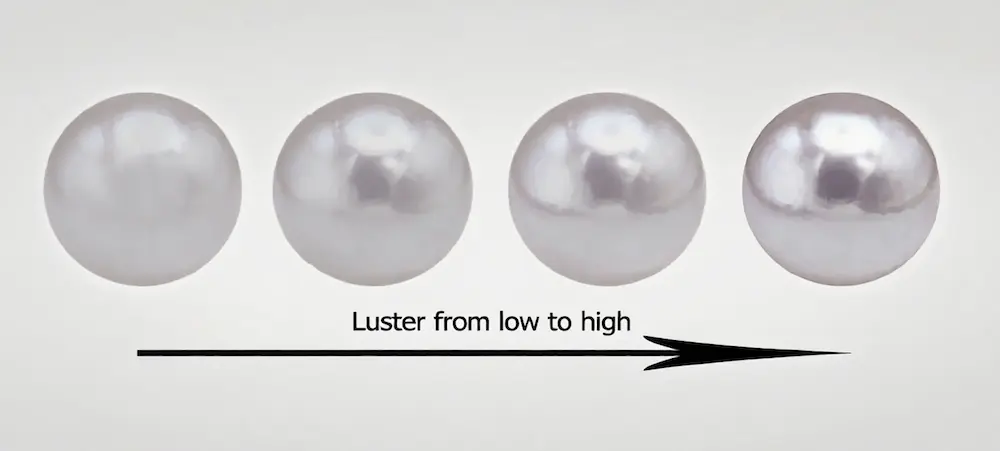
Test the luster by holding the pearl beneath a strong light. Crisp, well-defined reflections should dance across its surface. When those reflections turn soft or faint, you're likely handling a lower-grade pearl. Frankly, this single trait can swing a pearl's worth more than any other.
Surface Quality: Spotting the Flaws
Since pearls are grown by nature, none of them are truly flawless—but surface smoothness still carries real weight. The finest pearls (AAAAA grade) show surfaces that are remarkably clean and unmarked, while lesser ones display more spotting, ridges, and blemishes.
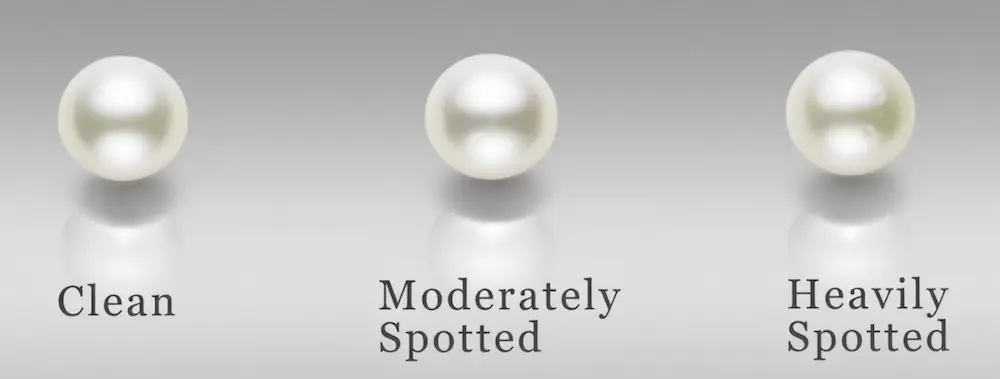
Don't sweat the tiny imperfections that are barely visible; they're natural and lend the pearl its character. A useful rule for buying pearls, though, is to steer clear of any with obvious cracks, deep pits, or off-color patches, since those defects affect both appearance and durability.
Shape: From Classic to Creative
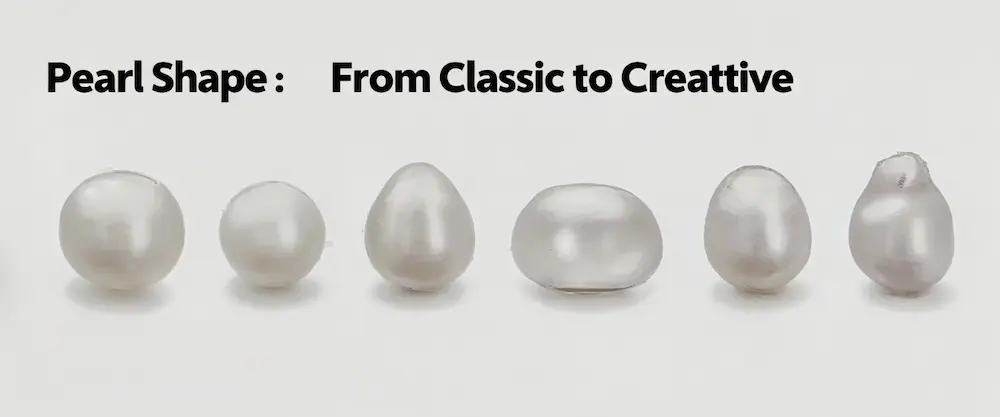
Perfect roundness is a statistical rarity, and that scarcity is precisely why it costs a fortune. When you're figuring out how to buy pearls, don't fixate on flawless geometry. Once a strand is on the neck, near-round pearls often look indistinguishable from round ones to the naked eye, yet they sell for far less. Personally, I lean toward baroque and drop shapes for everyday wear—they feel organic rather than manufactured, and their uneven surfaces frequently throw off more compelling luster.
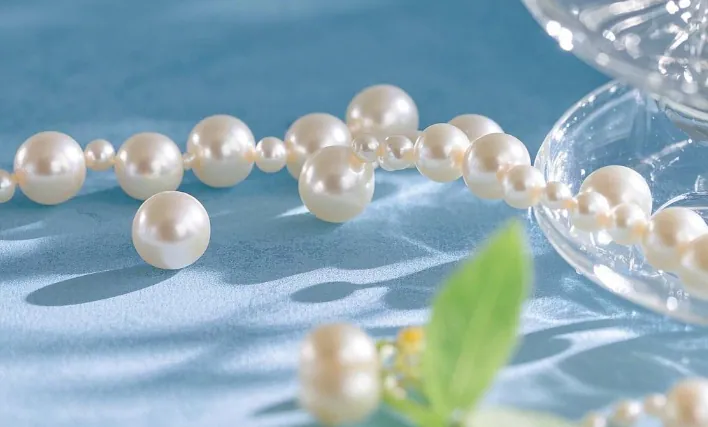
The genuine difficulty with a pearl strands isn't the quality of one bead but how well the whole set agrees. The trade calls this 'matching.' Buying pearls well means confirming that the size graduation flows evenly and the shapes line up in a steady rhythm. Weak matching is the fastest tell of a poor necklace—your eye instantly catches on the one pearl that breaks the line.
3. Decoding Pearl Grading Systems
Two grading systems dominate the pearl trade, and getting comfortable with both helps you cut through pricing spin and quality claims as you learn how to buy pearls effectively.
The C-B-A-AAAAA System
Applied most often to Akoya and freshwater pearls, this scale climbs from C, B, and A at the bottom up to AAAAA at the very top.
- Grade C: Dull luster, plenty of obvious blemishes, off-round shape.
- Grade B: Modest luster, blemishes readily seen, slightly off-round shape.
- Grade A: Decent luster, a few visible blemishes, round to near-round.
- Grade AA: Strong luster, only a few noticeable blemishes, largely round.
- Grade AAA: Good luster, some visible blemishes, round to near-round.
- Grade AAAA: High luster, minimal blemishes, largely round.
- Grade AAAAA: Outstanding luster, spotless surface, round shape.
The Tahitian System (A-D)
Reserved for Tahitian and South Sea pearls, this scale runs from A at the top down to D at commercial grade.
| Grade | Luster Quality | Surface Quality | Shape |
|---|---|---|---|
| A | Excellent | 95%+ clean | Round to near-round |
| B | Good to High | 85%+ clean | Near-round to oval |
| C | Medium | 70%+ clean | Slightly off-round |
| D | Fair | 60%+ clean | Baroque acceptable |
Grasping how pearl grading works keeps you from being talked into overpaying by sellers who dress up ordinary pearls with impressive-sounding labels.
4. Smart Shopping: Where and How to Buy Pearls
Online vs. Brick-and-Mortar: Weighing Your Options
Shopping online opens up a wide field of choices. Deals are often better, especially when you go through wholesalers who focus on pearls. For anyone trying to learn how to buy pearls, the web is a strong starting point—you can weigh dozens of options from your couch and often trim the cost dramatically, sometimes down to a half or a third of typical retail.
Buying pearls online has clear upsides, but it calls for caution since you can't handle them beforehand. Stick to sellers you can trust—ones offering plenty of sharp photos, a solid return policy, and staff you can actually reach with questions. A good vendor shows you real images of the very pearls you'll receive, not lookalike stand-ins.
In a physical store you can hold and inspect pearls before committing, which is a real advantage for newcomers. You get to judge luster with your own eyes and lean on knowledgeable staff. The trade-off? Overhead means a narrower selection and steeper prices.
Red Flags: Protecting Yourself from Pearl Scams
Buying pearls without getting burned means learning to spot the tricks. Sellers count on buyers not knowing better to offload low-grade stock, so keep an eye out for these specific warning signs:
- Secretly enhanced pearls: Some sellers treat pearls to improve their appearance yet never mention it. Be wary of pearls that look impossibly perfect or flaunt unnaturally bright, saturated color, especially when the price is suspiciously low.
- Misrepresented origins: Now and then a seller labels pearls 'Japanese Akoya' when they're really cheaper freshwater. Trustworthy sellers back their high-end pearls with a certificate confirming where they came from.
- Bogus grades: A pearl advertised as 'AAAAAA' should set off alarms—legitimate pearl grading tops out at AAAAA.
- Prices too good to be true: If 'South Sea pearls' are going for a mere $50, they're almost certainly fakes or heavily treated low-grade stock dressed up to look better.
5. Pearl Care and Investment Considerations
Safeguarding your pearl investment: Careful handling stretches your pearls' lifespan and preserves their beauty—an essential step once you've learned how to buy pearls. As organic gems, pearls demand more attentive treatment than conventional stones.
Knowing how to buy pearls counts for nothing if you wreck them a month down the road. Because they're organic, the acids in sweat and perfume gradually erode the nacre. Wipe them clean every single time you take them off. Follow the golden rule—'last on, first off'—and clasp them only after the hairspray and makeup are done.
Storage deserves the same care. Never seal pearls in a plastic bag; they draw moisture from the air, and plastic will parch them until they crack. Tuck them into a soft pouch, well away from harder stones that could scratch them. And have them restrung on silk every few years—you don't want to be the one scrambling across a restaurant floor after loose pearls when a worn thread finally gives out.
On the question of value, the market plays by odd rules. Prices climb in jumps rather than a smooth line—a single extra millimeter of size can double the cost—so a savvy move is often to buy just shy of a round size, say a 7.5mm instead of an 8mm, for better value. Sellers love the word 'heirloom,' but genuine value retention lives mostly in high-grade top-tier Akoya and South Sea strands, not commercial freshwater pieces.
6. Expert Tips for Different Budgets
Budget-Conscious Buyers ($50-$300)
For maximum value, stay with freshwater. Learning how to buy pearls, you quickly see that 'perfectly round' is where the dollars vanish. Accept a slightly off-round shape while holding out for strong luster, and you capture most of the look at a sliver of the cost. Length is another straightforward lever—a standard 16-inch strand runs well below longer 'opera' lengths simply because it uses fewer gems. Work the calendar, too: dealers clear stock just like clothing shops, so holding out for end-of-season markdowns can save real money.
Mid-Range Shoppers ($300-$1,500)
This range brings Akoyas and premium freshwater gems within reach. In learning how to buy pearls, the toughest lesson is putting luster ahead of size. A large, lackluster pearl reads as cheap, almost plastic, while a small pearl with mirror-sharp shine catches the eye across a room. You can also game the system by purchasing loose pearls and having them custom strung—it's usually cheaper, skips the 'finished jewelry' markup, and gives you a better fit.
Luxury Buyers ($1,500+)
At this tier you're paying for the top of the field: South Sea and Tahitian pearls. The price mirrors the risk, since these oysters are temperamental and need years to yield large gems. There's no rule that says you must buy it all at once—assembling a collection over time is often the smarter play. Steer clear of the mall, as well. Buying pearls in this bracket means seeking out a specialized importer who purchases at harvest rather than a general retailer tacking on a 300% markup.
7. Making Your Final Decision
When the moment comes to buy pearls, remember that personal taste weighs just as much as technical grade. Knowing how to buy pearls goes beyond the numbers on a grading chart; the 'best' pearl is the one that lifts your mood every time you put it on.
Start by pinning down your budget and how you intend to use the pearls. Everyday wear calls for different priorities than a piece reserved for special events. Consider the colors you tend to wear, too. Cooler-toned pearls pair beautifully with silver, while warmer shades sit perfectly alongside gold.
Rushing is the enemy of value. A large part of buying pearls well is simply slowing down to line strands up side by side. Ask the pointed questions. An honest dealer will happily go on at length about harvest origins and nacre thickness; if a seller turns evasive or irritated when you press for specifics, hold on to your wallet.
Consider consulting a pearl specialist who can guide your choice. The Gemological Institute of America notes that a professional opinion helps confirm you're paying a fair price for what you're getting.
Above all, buy from sources you trust. Whether it's an online shop, a neighborhood jeweler, or a purchase straight from a pearl farm, confirm they hold a solid reputation and a clear return policy before parting with serious money.
Learning to buy pearls the right way turns what might feel overwhelming into an exciting voyage of discovery. With this knowledge on hand, you're set to track down pearls that will bring joy for decades to come.
As you think through how to buy pearls, remember that the best purchase isn't necessarily the priciest. It's the one that suits your style and your budget and makes you truly happy every time you wear it. Pearl specialists at the Pearl Society International even note that how your pearls make you feel often matters more than their technical perfection.
Take your time and put in the legwork. If your instincts say a seller is holding something back, walk away. The 'perfect' pearl is simply the one you never want to take off—and you now know enough to go find it.
FAQs
Are Costco pearls good quality?
Yes—for the price, Costco's pearls tend to be reliably decent, even if they fall short of the very top tier.
How much does a 1 pearl cost?
A single pearl can range from about $10 up into the thousands, depending on its type and quality.
How to pick a good pearl?
Watch for crisp luster, an even surface, and a well-rounded shape—together they point to a pearl worth buying.
How to know if a pearl is real?
Gently rub two pearls against each other: genuine ones have a slightly gritty feel, while imitations glide smoothly.